

Pull to refresh
Logo
Masimo gets FDA clearance for AFib detection on its smartSET pulse oximetry platform

Masimo gets FDA clearance for AFib detection on its smartSET pulse oximetry platform

New Capabilities

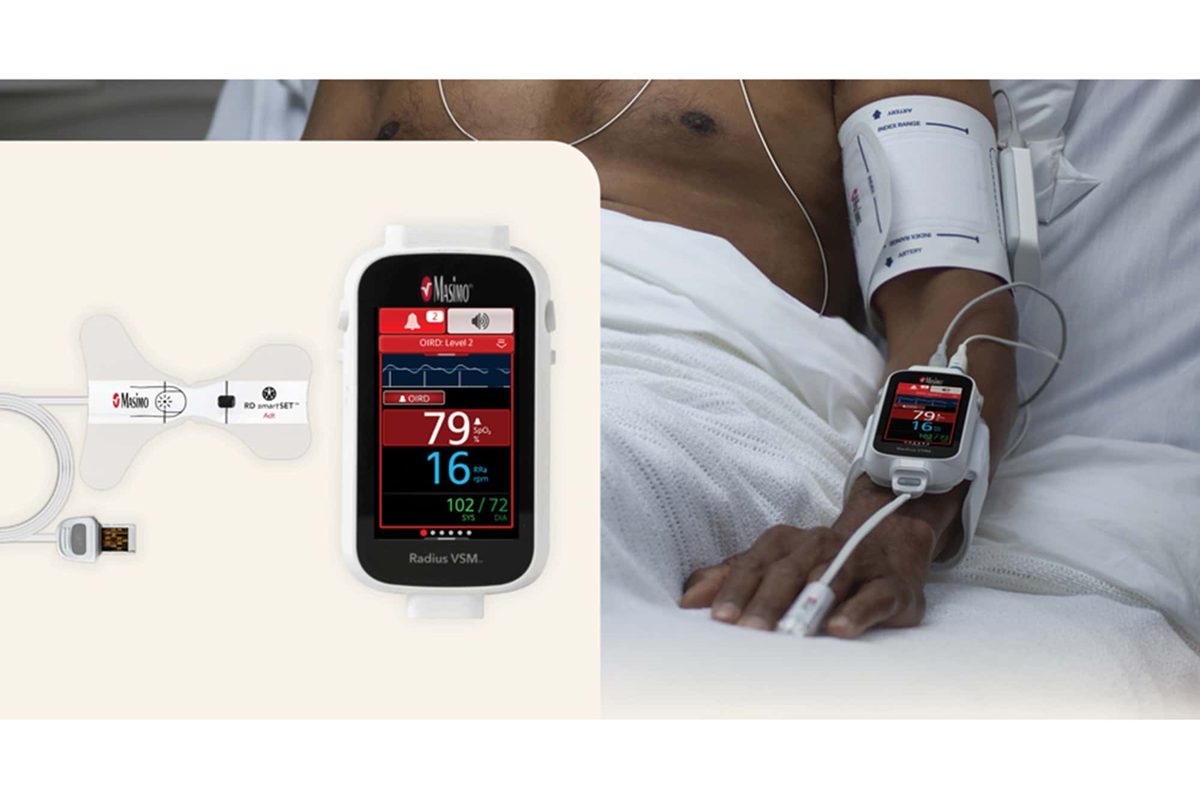
AI-enabled event detection joins opioid-induced respiratory depression monitoring on the Radius VSM wearable

Today: FDA clears smartSET AFib detection

Overview

Updated 3 hours ago

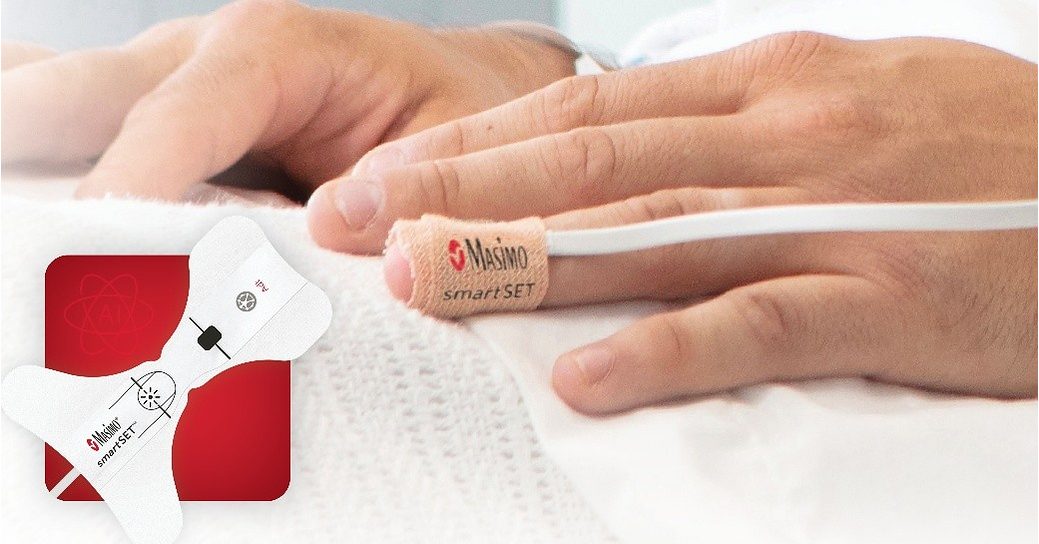
Masimo's smartSET pulse oximetry platform now detects atrial fibrillation, its second AI-powered clinical event feature after opioid-induced respiratory depression. The company announced the FDA clearance on October 17, 2026.

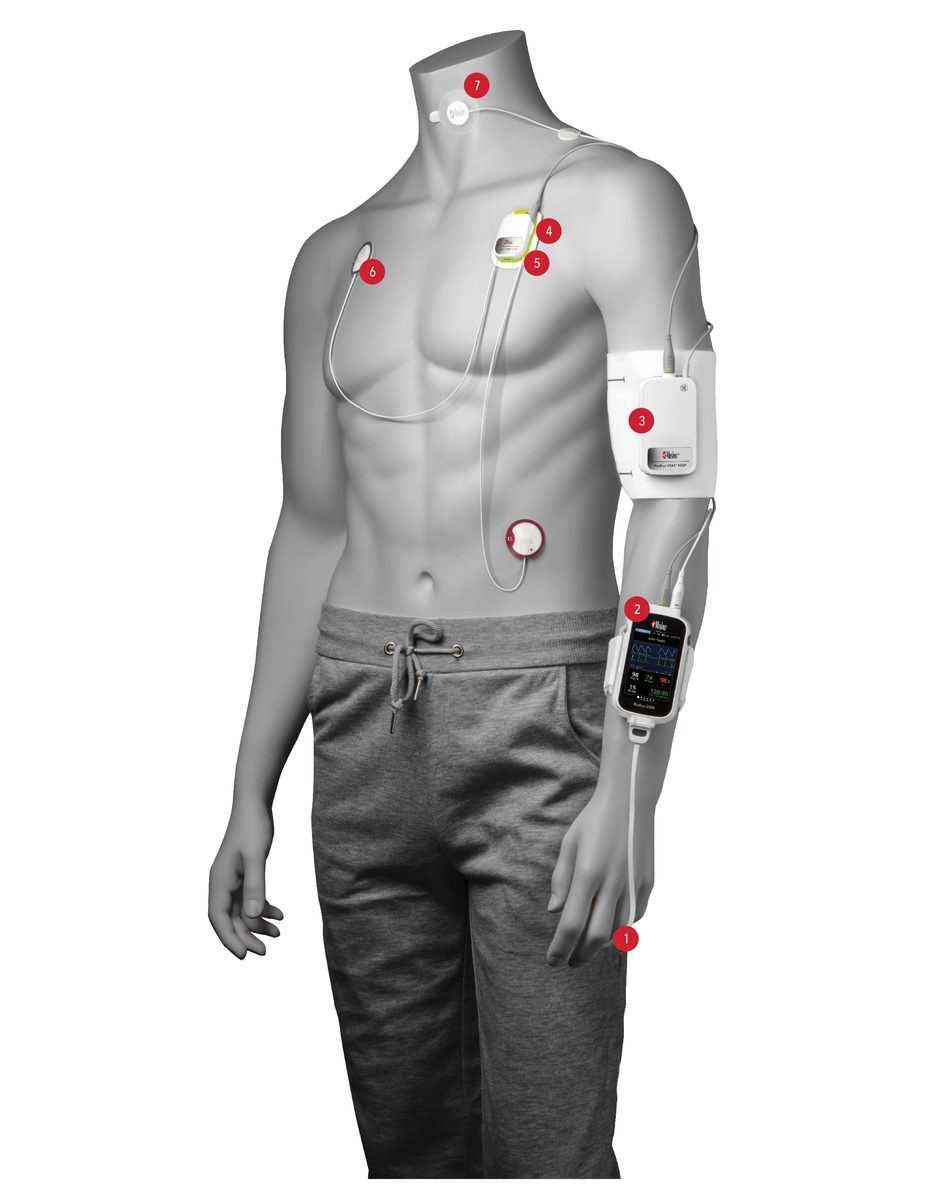
smartSET uses pattern recognition on continuous pulse waveform data to flag specific conditions, rather than just reading oxygen saturation and pulse rate. Both features run on Masimo's Radius VSM wearable monitor, and Masimo says it is developing additional algorithms.

Why it matters

Pulse oximeters can now flag AFib and opioid-induced respiratory depression, shifting monitoring from reading vitals to detecting events that trigger earlier warnings.

Questions about this story

Free account needed to ask — your question is kept and asked for you right after sign-up. Answers are public.

No questions yet — be the first to ask.

Key Indicators

2
smartSET clinical event detection algorithms
Atrial fibrillation (AFib) and opioid-induced respiratory depression (OIRD), both cleared by the FDA.
1.5%
Masimo RD SET sensor FDA accuracy spec (ARMS)
Root-mean-square error target; an ICU feasibility study measured 1.47% across all skin tones.
35+
Years of Masimo signal processing innovation
smartSET builds on Masimo SET technology developed over more than three decades.

Voices

Curated perspectives — historical figures and your fellow readers.

Ever wondered what historical figures would say about today's headlines?

Sign up to generate historical perspectives on this story.

People Involved

Organizations Involved

Timeline

March 2022 October 2026

5 events Latest: Today
Tap a bar to jump to that date
  1. FDA clears smartSET AFib detection

    Today Regulatory

    Masimo announces FDA clearance for atrial fibrillation detection on smartSET, adding to the previously cleared OIRD feature on Radius VSM.

  2. FDA clears OIRD detection on Radius VSM

    Regulatory

    Masimo receives FDA 510(k) clearance for AI-enabled opioid-induced respiratory depression detection, the first smartSET feature.

  3. Danaher completes Masimo acquisition

    Corporate

    Danaher closes its acquisition of Masimo, bringing the company into its diagnostics portfolio.

  4. Danaher announces Masimo acquisition

    Corporate

    Danaher Corporation announces plans to acquire Masimo, the pulse oximetry and patient monitoring company.

  5. FDA clears Radius VSM wearable monitor

    Regulatory

    Masimo's patient-worn continuous multi-parameter vital signs monitor receives FDA 510(k) clearance.

Scenarios

1

Hospitals roll out smartSET across postoperative and opioid-monitoring care

Possible Resolves by Q2 2027

Discussed by: Industry analysts at Signify Research and clinical care market observers

As Danaher integrates Masimo into its diagnostics portfolio, health systems adopt Radius VSM with smartSET for patients on opioid therapy and those at risk of undiagnosed AFib, extending continuous monitoring beyond the ICU. Adoption would show up in Danaher's hospital monitoring revenue and in announced hospital system deployments.

2

Competitor brings AI event detection to pulse oximetry

Possible Resolves by Jan 31, 2028

Discussed by: Financial analysts tracking the patient monitoring market

Medtronic, Edwards Lifesciences, or another monitoring company seeks FDA clearance for a pattern-recognition pulse oximetry feature similar to smartSET, narrowing Masimo's first-mover advantage in AI-powered event detection.

3

Masimo expands smartSET with a third detection algorithm

Likely Resolves by Jan 31, 2028

Discussed by: Masimo company statements that it is developing additional pattern-recognition algorithms

Masimo gains FDA clearance for another smartSET feature beyond AFib and OIRD, such as early sepsis or hypoxemia prediction, deepening the platform's clinical value and strengthening its position in hospital monitoring.

Historical Context

3 moments from history that rhyme with this story — and how they unfolded.

1990s

Masimo SET vs. conventional pulse oximetry (1990s)

Through the 1990s, conventional pulse oximeters gave unreliable readings during patient motion and low blood flow, a serious problem in operating rooms and ICUs. Masimo founder Joe Kiani built signal extraction technology (SET) to solve motion artifact, and the company battled Nellcor for hospital market share.

Then

Masimo SET proved more accurate in motion and low-perfusion conditions and won adoption across hospital monitoring.

Now

SET established Masimo's signal-processing credibility, which smartSET now extends with AI pattern recognition for event detection.

Why this matters now

smartSET is the next step in the same signal-processing lineage, moving from accurate readings to detecting clinical events.

2018

Apple Watch irregular rhythm notification (2018)

Apple received FDA clearance for an irregular rhythm notification feature on Apple Watch that detects atrial fibrillation from photoplethysmography (PPG) data, the same optical sensing principle as pulse oximetry. It was among the first consumer devices to flag a clinical event from an optical sensor.

Then

Millions of Apple Watch users received AFib alerts, prompting doctor visits and new diagnoses.

Now

The feature demonstrated that PPG-based AFib detection is feasible and clinically meaningful outside a hospital setting.

Why this matters now

Masimo's smartSET applies the same approach on hospital-grade pulse oximetry, adding OIRD detection that consumer wearables cannot offer.

2000s-2010s

Continuous glucose monitoring transformation (2000s-2010s)

Continuous glucose monitors (CGMs) shifted diabetes management from episodic fingerstick blood glucose tests to continuous sensor data with alarms for dangerous highs and lows, replacing spot checks with real-time trends and alerts.

Then

Patients with diabetes gained earlier warnings of hypoglycemia, reducing severe episodes and emergency visits.

Now

CGMs became the standard of care for insulin-dependent diabetes and a template for continuous monitoring technologies.

Why this matters now

smartSET mirrors the CGM shift: pulse oximetry moves from single-point readings to continuous AI-driven event detection and alerts.

Sources

(8)