



Pull to refresh
Logo
RingConn wins FDA clearance for blood oxygen monitoring on its smart ring

RingConn wins FDA clearance for blood oxygen monitoring on its smart ring

Rule Changes

Chinese smart ring maker is first of its kind to clear FDA review for SpO2, with sleep apnea clearance pending

Today: FDA clears RingConn for SpO2 measurement

Overview

Updated 1 hour ago

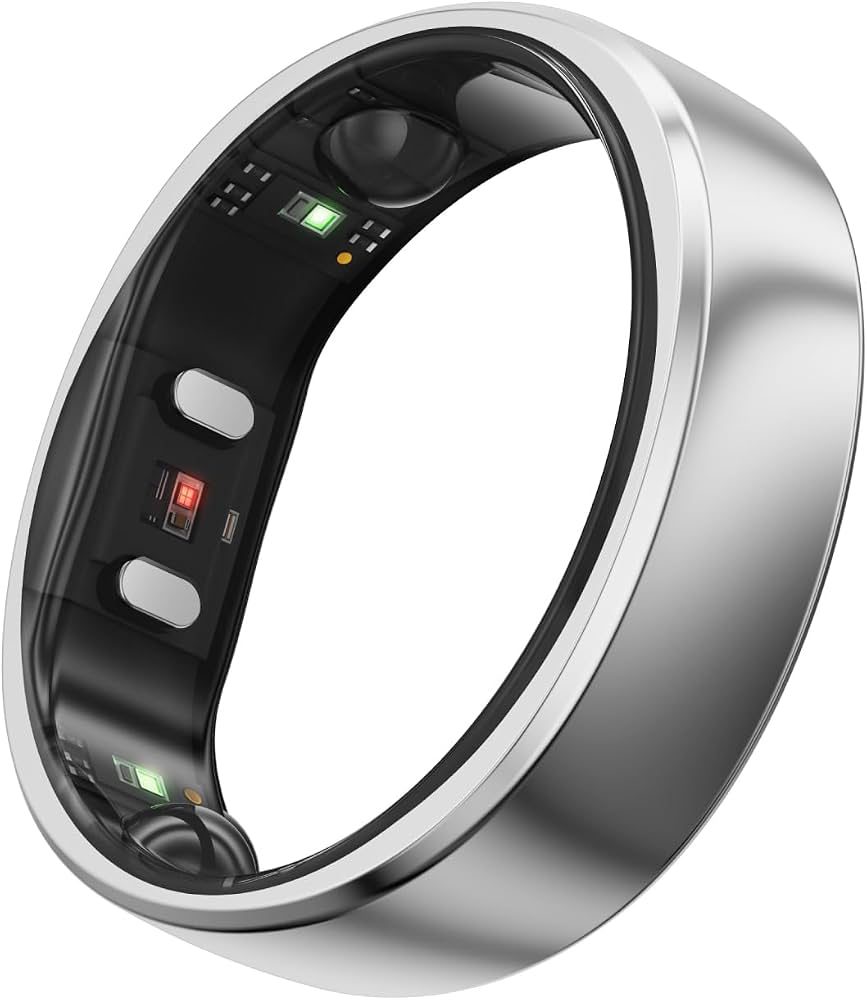
RingConn, the Chinese smart ring maker owned by Shenzhen Ninenovo Technology Limited, has received 510(k) clearance from the U.S. Food and Drug Administration (FDA) for non-invasive blood oxygen (SpO2) measurement. The clearance, No. K260490 announced Oct. 10, is the first for a Chinese smart ring company, per company and media reporting.

The approval is a first step, not the end. RingConn has also submitted its ring's pulse oximeter and sleep apnea monitoring features for FDA clearance and expects decisions by the end of 2026, according to company statements. Clearances would move the everyday wearable into medical-device territory, where its readings could carry weight with clinicians rather than serving as fitness stats.

Why it matters

With FDA clearance, a smart ring's blood oxygen reading becomes medical data, usable by clinicians instead of just a fitness metric.

Questions about this story

Free account needed to ask — your question is kept and asked for you right after sign-up. Answers are public.

No questions yet — be the first to ask.

Key Indicators

≤0.95%
Blood oxygen mean absolute error (internal testing)
RingConn's internal testing for the Gen 3 ring reported a SpO2 mean absolute error of ≤0.95%.
K260490
FDA 510(k) clearance number for SpO2
The clearance authorizes non-invasive blood oxygen measurement on the smart ring.
$10M
Gen 3 sales in first 20 days
Pre-order and early sales of the Gen 3 ring exceeded $10 million within 20 days of its debut.
190+
Countries where product is available
RingConn sells in more than 190 countries and holds EU, U.S., Japan, UK, and Australia certifications.

Voices

Curated perspectives — historical figures and your fellow readers.

Ever wondered what historical figures would say about today's headlines?

Sign up to generate historical perspectives on this story.

Organizations Involved

Timeline

May 2026 October 2026

3 events Latest: Today
  1. FDA clears RingConn for SpO2 measurement

    Today Regulatory

    FDA grants 510(k) clearance No. K260490 for non-invasive blood oxygen measurement, a first for a Chinese smart ring maker.

  2. RingConn Gen 3 launches globally

    Product

    The Gen 3 smart ring ships worldwide, with over $10 million in sales within its first 20 days.

  3. RingConn opens Gen 3 pre-orders

    Product

    RingConn begins taking pre-orders for its Gen 3 smart ring, which tracks blood oxygen, sleep apnea, heart rate, and stress.

Scenarios

1

RingConn wins FDA clearance for sleep apnea feature by year end

Likely Resolves by End of 2026

Discussed by: RingConn's stated expectation; reported by Sleep Review

RingConn has submitted its ring's pulse oximeter and sleep apnea monitoring features for FDA review and said it expects decisions by the end of 2026. The SpO2 clearance just granted gives the company a working template for what FDA reviewers accept. A sleep apnea clearance would let the ring flag potential sleep-disordered breathing episodes, moving it further into diagnostic territory.

2

FDA's skin-tone pulse oximetry review tightens requirements

Possible Resolves by Q2 2027

Discussed by: FDA's ongoing accuracy review; reported by Regulatory News

The FDA has been reviewing pulse oximeter accuracy across skin pigmentation after published research found positive bias, overestimating blood oxygen saturation, in patients with darker skin. New special controls or testing requirements for the optical sensors RingConn uses would affect the cleared device and every competitor relying on the same principle. The classification order that created RingConn's regulatory path does not resolve this open question.

3

A rival smart ring maker files for its own FDA clearance

Possible Resolves by End of 2027

Discussed by: Regulatory pathway described by Regulatory News

RingConn's clearance creates a predicate that other smart ring makers can cite in their own 510(k) filings, shortening the path to market. The same mechanism converted Masimo's one-off De Novo grant into a standing Class II category competitors now use. A wearable maker seeking medical standing for its SpO2 readings would need its own clearance, and RingConn's approval lowers that barrier.

Historical Context

2 moments from history that rhyme with this story — and how they unfolded.

September 2018

Apple Watch ECG (2018)

Apple's Series 4 Watch became the first consumer wearable to gain FDA clearance for an electrocardiogram (ECG) app and irregular heart rhythm notification. The agency granted it via De Novo authorization, a path for novel devices with no existing predicate.

Then

Set a template for consumer devices carrying medical-grade diagnostic features through FDA review.

Now

Opened the door for wearables like smart rings to pursue similar clearances for optical sensors.

Why this matters now

Showed a consumer wearable could cross into FDA-cleared medical territory, the same door RingConn is now walking through with an optical sensor.

October 2023 – October 2026

Masimo ORi De Novo and hyperoxia Class II (2023–2026)

FDA granted De Novo authorization to Masimo's Oxygen Reserve Index (ORi), a pulse oximetry adjunct for monitoring elevated hemoglobin oxygen saturation during surgery. On Oct. 6, 2026, the agency classified the device type as Class II, creating a predicate competitors can cite in ordinary 510(k) filings.

Then

Competitors no longer need their own De Novo reviews for hyperoxia monitoring devices.

Now

Lowered the regulatory barrier for pulse-oximetry-adjacent devices, the same machinery RingConn used for its SpO2 clearance.

Why this matters now

Illustrates how a single FDA approval converts into a standing regulatory category, exactly what RingConn's clearance now provides for smart ring blood oxygen.

Sources

(6)