

1980–1985
Dexamethasone suppression test (early 1980s)
In the early 1980s, the dexamethasone suppression test (DST) was widely promoted as the first biological marker for major depression — an endocrine test where patients failing to suppress cortisol after a dexamethasone dose were deemed depressed. Clinics adopted it enthusiastically.
Then
Large-scale studies found poor specificity: many patients without depression had abnormal results, and many with the disorder did not.
Now
By the late 1980s it was largely abandoned as a diagnostic test, a classic biomarker reversal.
Why this matters now
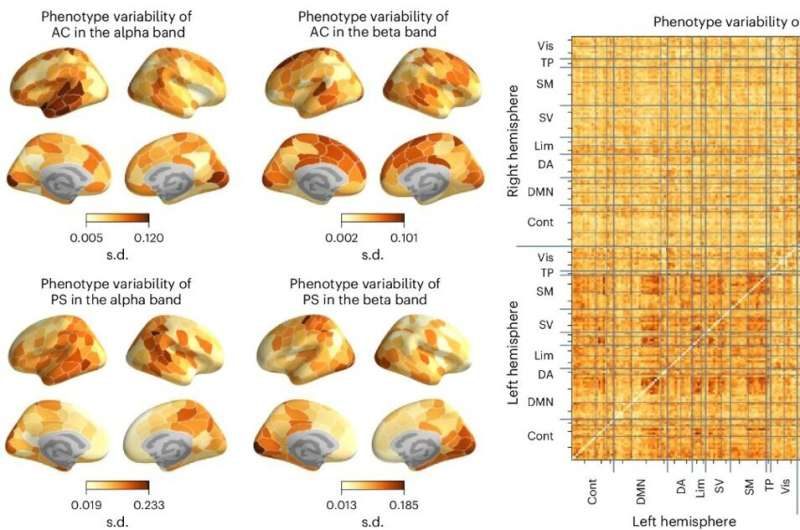
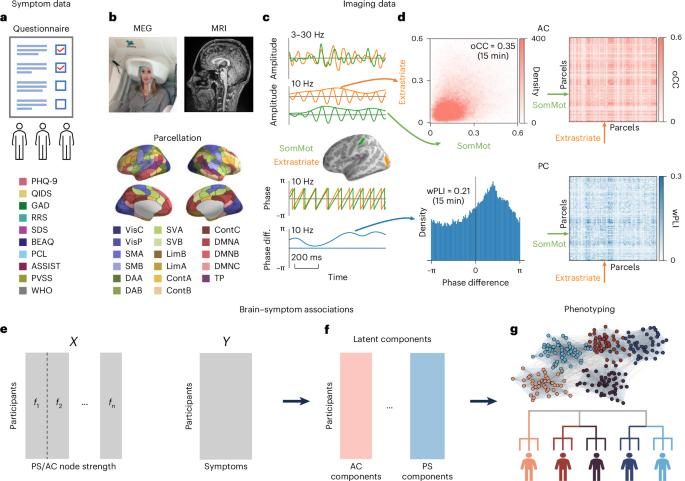
A cautionary tale for any new depression biomarker: promising lab findings can fail in broader clinical use, which is why the MEG phenotypes still need validation.