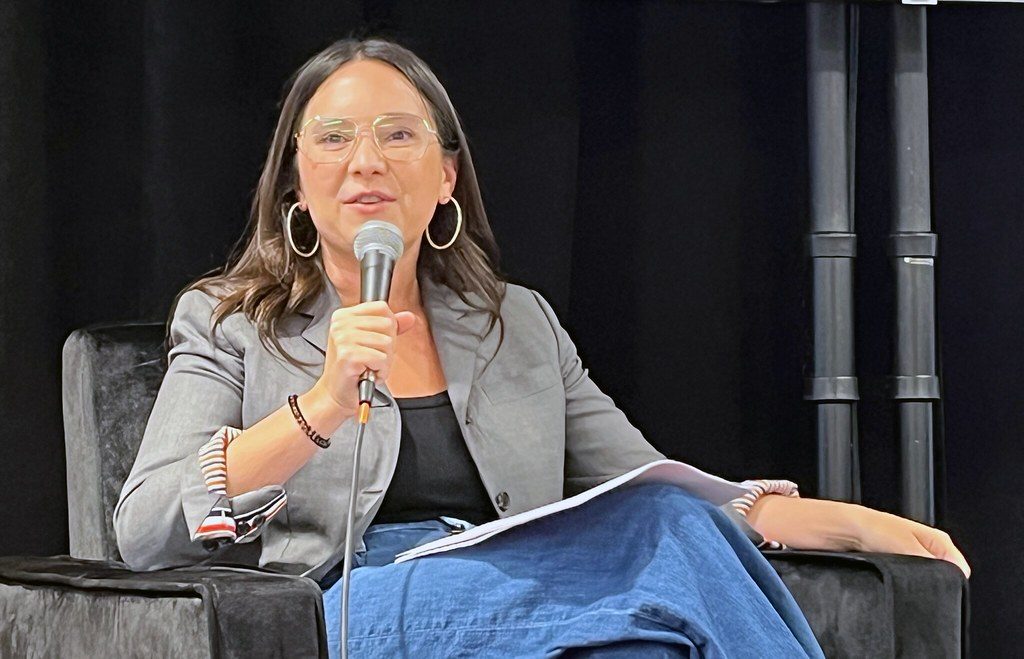
Three hours before airtime on December 22, CBS News killed a 60 Minutes investigation into Venezuelan migrants tortured in an El Salvador prison after Trump deportations. The segment had passed five screenings, legal review, and standards checks. New editor-in-chief Bari Weiss—appointed two months earlier when Paramount Skydance bought her media company for $150 million—demanded the piece include Trump administration comment or an interview with hardline advisor Stephen Miller. When the White House refused, she spiked it.
Veteran correspondent Sharyn Alfonsi called the decision "political, not editorial" and warned that Weiss had handed the government a kill switch for inconvenient stories; the segment leaked to Global TV (Canada) within 48 hours. At a Monday staff meeting, 60 Minutes executive producer Tanya Simon said she "ultimately had to comply" with Weiss's last-minute demands despite pushing back. Days before Christmas Eve, Weiss announced a newsroom overhaul with two new senior editors and a masthead system requiring advance approval for sensitive stories.
Questions about this story
Free account needed to ask — your question is kept and asked for you right after sign-up. Answers are public.
No questions yet — be the first to ask.
Key Indicators
5
Internal screenings the segment passed
Including legal and standards reviews before being pulled
3 hours
Notice before scheduled broadcast
Time between kill decision and planned Sunday airtime
$150M
Price Paramount paid for Weiss's company
Acquisition of The Free Press that made Weiss CBS editor-in-chief
280+
Migrants deported to CECOT prison
Venezuelan asylum seekers sent to El Salvador under Alien Enemies Act
16 events
Latest: December 24th, 2025 · 9 months ago
Showing 8 of 16
JK to step
Tap a bar to jump to that date
Jump to
December 2025
Adam Kinzinger Cancels Paramount+ Subscription in Protest
LatestReaction
Former Rep. posts screenshots canceling subscription, calling CBS "State owned media" over Weiss's editorial interference.
Canadian Broadcaster Global TV Airs Segment, Leak Goes Viral
Broadcast
13-minute segment streams on Global's app, spreads across web. CBS's attempt to bury story backfires spectacularly.
Weiss Announces Overhaul of CBS Standards and Procedures
Policy
Defends pull as editorial judgment, promises changes to 60 Minutes screening process. Newsroom reportedly threatening resignations.
Tanya Simon Tells Staff She 'Had to Comply' With Weiss's Demands
Statement
In Monday meeting, 60 Minutes EP reveals: "We pushed back, we defended our story, but she wanted changes, and I ultimately had to comply."
Weiss Announces New Senior Editors and Masthead System
Policy
Christmas Eve memo from Weiss, Cibrowski, and new senior editors Charles Forelle and Adam Rubenstein outlines masthead requiring advance visibility for sensitive segments.
Alfonsi Sends Email Calling Decision 'Political, Not Editorial'
Statement
Correspondent tells colleagues segment was 'factually correct,' cleared all reviews, and that government refusal to comment shouldn't be a veto.
Weiss Demands Changes Including Stephen Miller Interview
Editorial
Messages executive producer requesting Trump administration official on camera. White House had already refused comment multiple times.
Weiss Kills Segment Hours Before Broadcast
Decision
Three hours before 7 PM ET airtime, CBS announces postponement for 'additional reporting.' Correspondent learns via Saturday afternoon call.
Weiss First Screens CECOT Segment
Editorial
Editor-in-chief reviews segment that had already passed five internal screenings plus legal and standards checks.
CBS Publicity Promotes 60 Minutes CECOT Investigation
Production
Press release promises look inside 'one of El Salvador's harshest prisons' citing 'brutal and tortuous conditions' from deportee accounts.
October 2025
Paramount Acquires The Free Press for $150M, Weiss Named CBS Editor-in-Chief
Leadership
Ellison installs Weiss—no broadcasting experience—atop CBS News reporting directly to him, bypassing traditional newsroom hierarchy.
August 2025
Skydance-Paramount Merger Completes, David Ellison Becomes CEO
Corporate
$8 billion three-way merger creates Paramount Skydance. Deal closed weeks after Paramount paid Trump $16 million to settle lawsuit.
July 2025
137 Venezuelans Released in Prisoner Swap After Court Rules Deportations Violated Due Process
Legal
Federal Judge James Boasberg orders return to U.S. or hearings. Men flown to Venezuela in exchange for U.S. political prisoners.
May 2025
Tanya Simon Named 60 Minutes Executive Producer
Leadership
Simon becomes just the fourth executive producer in 60 Minutes' 57-year history and the first woman to hold the role.
April 2025
60 Minutes Executive Producer Bill Owens Resigns Citing Lack of Independence
Leadership
After nearly 40 years at CBS, Owens departs saying it became "clear that I would not be allowed to run the show as I have always run it."
March 2025
Trump Deports 280+ Venezuelans to CECOT Using Alien Enemies Act
Policy
Trump administration invokes 1798 law to send asylum seekers to El Salvador's notorious mega-prison, paying $6 million. Most deportees lack criminal records.
Scenarios
1
Mass Resignations Force Weiss Out, CBS Restores Newsroom Autonomy
Possible
Discussed by: Axios, CNN media reporters, former CBS executives quoted in Columbia Journalism Review
If enough 60 Minutes correspondents and producers resign—following the pattern of Washington Post and LA Times editorial board walkouts in 2024—Ellison could be forced to choose between Weiss and the credibility of his news division. Former CBS News president Andrew Heyward told CNN that a correspondent publicly challenging leadership is 'almost unprecedented' and could trigger a cascade. The financial hit from subscriber cancellations (Washington Post lost 200,000+ in similar circumstances) plus advertiser pressure might make Weiss's $150 million price tag look like a liability rather than an investment.
2
Weiss Consolidates Power, Reshapes CBS News as Conservative Alternative
Likely
Discussed by: Daily Caller, RedState, media analysts at The Wrap and Hollywood Reporter
Weiss survives the backlash by arguing she's restoring editorial rigor to a network that's lost public trust. She uses the controversy to accelerate her announced overhaul of standards and procedures, installing Free Press allies in key positions and positioning CBS as the anti-MSNBC—a mainstream network with center-right sensibilities. This scenario depends on Ellison backing her through the turbulence and ratings not collapsing. If the Paramount-Warner Bros. Discovery mega-merger proceeds, Weiss could emerge with even more power across multiple news properties.
3
Congressional Investigation into Media Consolidation and Editorial Independence
Unlikely
Discussed by: Just Security legal analysts, press freedom organizations, Democratic legislators quoted in PBS NewsHour
The CECOT controversy becomes Exhibit A in hearings about whether media mega-mergers threaten First Amendment function of the press. Senator Amy Klobuchar's antitrust subcommittee could examine whether Paramount Skydance's acquisition structure—buying a partisan outlet to control a legacy newsroom—represents anticompetitive behavior. Reporters Without Borders already downgraded U.S. press freedom rankings in 2025 citing 'interference' at outlets like CBS. Federal investigation could force structural separation between CBS News and Paramount corporate interests, similar to broadcast-network divorces of the past.
4
Status Quo: Weiss Stays, Dissent Fades, Standards Gradually Erode
Likely
Discussed by: New Republic analysis, media critics at The Present Age and The Daily Beast comparing to tobacco whistleblower precedent
The most likely long-term outcome: Weiss weathers the storm, Alfonsi and a few staffers leave, most stay silent to keep their jobs, and corporate-driven editorial interference becomes normalized. This mirrors the post-Wigand era when CBS journalists internalized that certain stories required executive approval. Future 60 Minutes segments on politically sensitive topics get quietly shelved in pre-production rather than killed at the last minute. The story fades from headlines within weeks, CBS ratings barely budge, and the precedent—that government stonewalling can veto investigative journalism—quietly becomes policy across corporate media.
Historical Context
3 moments from history that rhyme with this story — and how they unfolded.
CBS corporate lawyers killed a 60 Minutes interview with tobacco executive Jeffrey Wigand, who was prepared to testify that Brown & Williamson knowingly manipulated nicotine levels and lied about health risks. The network cited fear of a multibillion-dollar lawsuit for tortious interference with Wigand's confidentiality agreement—but the real driver was CBS's pending $5.4 billion Westinghouse acquisition. Executives didn't want legal trouble disrupting the merger. After the Wall Street Journal published Wigand's allegations anyway, CBS looked craven and finally aired the interview.
Then
Massive embarrassment for CBS; Mike Wallace called it his 'most shameful day in journalism.'
Now
Wigand's testimony helped win the 1998 Master Settlement Agreement extracting $206 billion from Big Tobacco. The incident became a cautionary tale about corporate censorship.
Why this matters now
Weiss's kill decision mirrors the tobacco controversy beat-for-beat: fully reported segment, cleared by standards, killed by executives during corporate sensitivity period (post-merger, potential Warner Bros. deal). Both times, the story leaked anyway, making CBS look worse than if they'd just run it.
2 of 3
October 25-29, 2024
Washington Post Non-Endorsement Crisis (October 2024)
Two weeks before the 2024 election, Washington Post owner Jeff Bezos blocked the editorial board's planned endorsement of Kamala Harris. Publisher Will Lewis announced the paper would not endorse in presidential races going forward. Bezos claimed he was restoring neutrality and ending perception of bias. Former editor Marty Baron called it 'craven' and designed to appease Trump, noting the timing—just after Trump met with executives from Bezos's Blue Origin space company—made the motive transparent.
Then
Over 200,000 subscribers (8% of circulation) canceled within days. Two columnists resigned; editorial board members quit.
Now
The Post's credibility with its core readership remains damaged. Bezos's explanation—that endorsements create 'perception of bias'—convinced almost no one.
Why this matters now
Proves that billionaire owners intervening in editorial decisions trigger immediate subscriber flight and long-term trust erosion. Weiss faces the same dynamic: staffers know the decision was political, readers know it, and the explanation ('needed more reporting') insults everyone's intelligence.
3 of 3
October 23 - November 2024
LA Times Editorial Board Purge (October-November 2024)
LA Times owner Patrick Soon-Shiong blocked the editorial board's planned Harris endorsement, later saying Gaza policy influenced his thinking. Editorial page editor Mariel Garza resigned in protest, followed by two other board members. Soon-Shiong claimed he wanted 'factual analysis' of both candidates rather than advocacy. After Trump's election, Soon-Shiong fired the entire editorial board and announced plans to replace them with new voices.
Then
Staff revolt, thousands of subscription cancellations, public mockery of Soon-Shiong's rationale.
Now
The Times' editorial independence remains in question. The board purge established that Soon-Shiong would fire dissenters rather than tolerate criticism.
Why this matters now
Shows the escalation pattern: Owner intervenes, staff rebels, owner doubles down by restructuring to prevent future dissent. Weiss's announced 'overhaul of standards and procedures' follows the Soon-Shiong playbook—use the crisis to consolidate control.