


Pull to refresh
Logo
Mediwhale wins FDA clearance for retinal AI heart-risk software

Mediwhale wins FDA clearance for retinal AI heart-risk software

New Capabilities

A Seoul company's Dr. Noon CVD turns eye photographs into a 10-year cardiovascular risk estimate. No U.S. partners, price or launch date have been named.

Overview

Updated 58 minutes ago

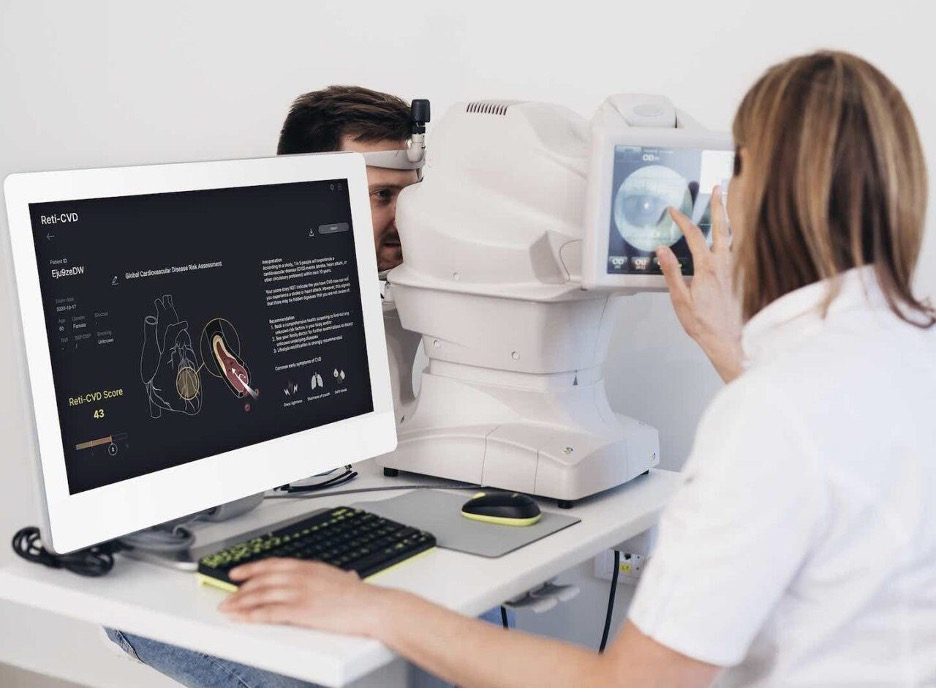
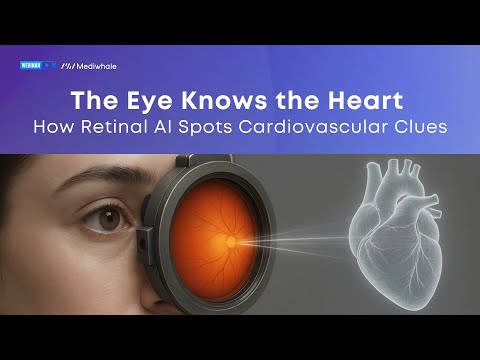
Mediwhale received U.S. Food and Drug Administration clearance for Dr. Noon CVD, software that estimates a person's 10-year risk of a first atherosclerotic cardiovascular disease (ASCVD) event from retinal photographs plus age and sex. The agency cleared it through the 510(k) pathway, meaning it found the product substantially equivalent to a device already legally on the market. That is not an approval.

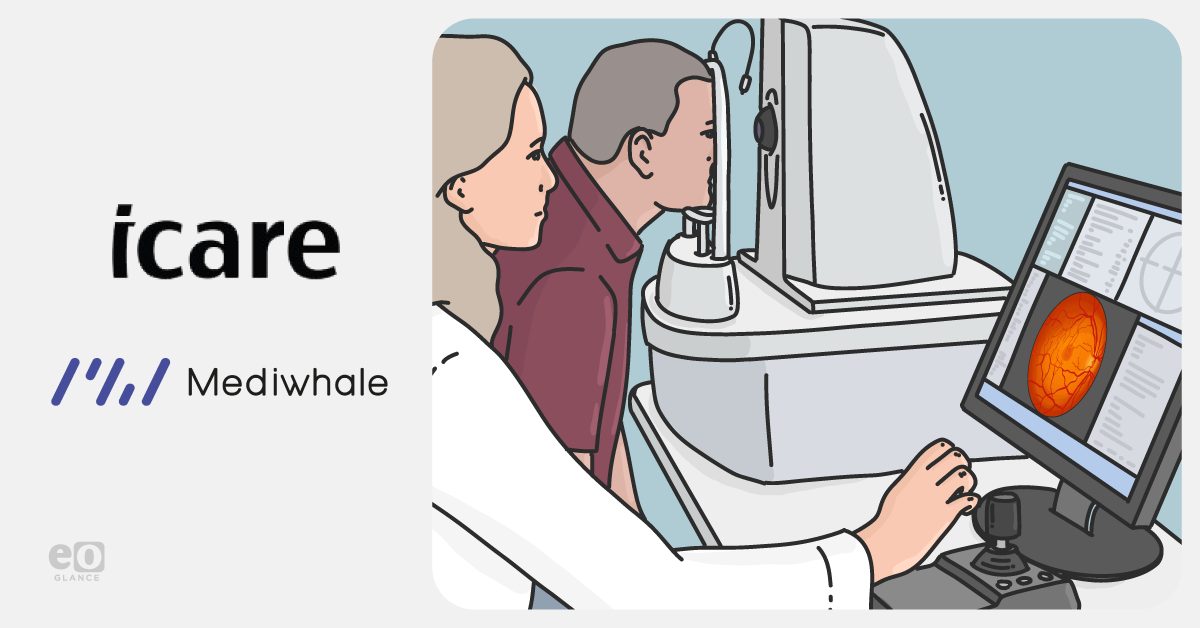
The Seoul company's plan rests less on new hardware than on cameras already in U.S. primary care clinics for diabetic eye exams. Mediwhale did not disclose the clearance number, the predicate device, a price, a launch date, or the partners it intends to sell through.

Why it matters

A camera already used for diabetic eye exams could double as a heart-risk screen, with no blood draw.

Questions about this story

Free account needed to ask — your question is kept and asked for you right after sign-up. Answers are public.

No questions yet — be the first to ask.

Key Indicators

1
FDA clearances for Mediwhale
The company described Dr. Noon CVD as its first FDA clearance.
3
Risk categories the software assigns
Results sort patients into one of three groups to support clinician assessment.
10 years
Prediction horizon
The software estimates risk of a first ASCVD event within a decade.
11
Regions with regulatory approval
Company figure, covering Korea, Europe and other markets listed on its product page.
34
Cardiovascular 510(k) clearances in October 2026
Third-busiest review panel that month, per openFDA data cited by Charted.

Voices

Curated perspectives — historical figures and your fellow readers.

Sign up to generate historical perspectives on this story.

People Involved

Organizations Involved

Timeline

May 2021 November 2026

5 events Latest: Today
Tap a bar to jump to that date
  1. U.S. announcement names no partner, price or launch date

    Today Announcement

    The PR Newswire release confirms clearance but omits the 510(k) number, predicate device and clinical data.

  2. Mediwhale announces the clearance in Korea

    Announcement

    Korean-language releases describe the FDA decision and a push into U.S. clinics.

  3. New U.S. cholesterol guideline stresses individual risk estimates

    Guideline

    The 2026 ACC/AHA multisociety dyslipidemia guideline favors earlier intervention guided by personalized risk.

  4. Korea approves the software, with reimbursement

    Regulatory

    Korea's Ministry of Food and Drug Safety licensed Dr. Noon CVD for clinical use.

  5. Dr. Noon CVD gets its European certificate

    Regulatory

    SGS Belgium issued the CE certificate; Mediwhale lists an expiry of December 2028.

Scenarios

1

Mediwhale names a U.S. retinal-camera network and goes live

Possible Resolves by Q3 2027

Discussed by: Mediwhale's own statements; Charted notes the commercial path depends on unnamed partners

The company says it will work with operators that already run retinal cameras in U.S. primary care. If one signs, Dr. Noon CVD reaches clinics without buying new equipment. That announcement, not the clearance itself, is the moment the product actually exists in American medicine.

2

A peer-reviewed U.S. validation study is published

Possible Resolves by End of 2027

Discussed by: Charted, which flags the absence of clinical validation data in the release

The clearance rests on substantial equivalence to an existing device, not on a new U.S. trial. Clinicians and payers will want prospective performance data in American populations. Publication of such a study would give the product a footing that a press release cannot.

3

Medicare creates a payment pathway for retinal cardiovascular risk

Unlikely Resolves by End of 2028

Discussed by: No party has committed to this; the release is silent on billing and coverage

A cleared device with no code is hard to sell. Reimbursement usually arrives years after clearance, through new CPT codes or a CMS payment decision. Until then, clinics absorb the cost or bundle it into existing exam fees.

Historical Context

3 moments from history that rhyme with this story — and how they unfolded.

April 2018

IDx-DR becomes the first cleared autonomous eye-AI (2018)

The FDA authorized IDx-DR, software that reads retinal images and diagnoses diabetic retinopathy without a specialist reviewing the photo. It was the first device of its kind cleared to make a diagnostic call on its own.

Then

The decision set the template for how retinal AI gets reviewed in the United States.

Now

Adoption ran into billing and workflow questions rather than regulatory ones, and took years to spread through clinics.

Why this matters now

Mediwhale's clearance is a regulatory milestone of the same type. The hard part that followed IDx-DR, namely coding, payer coverage and clinic workflow, is the hard part ahead here.

1990s to 2018

Coronary calcium scoring goes from scan to guideline (1990s-2018)

Computed tomography scans that measure calcium in coronary arteries gave cardiologists a direct image of plaque burden. The 2018 ACC/AHA cholesterol guideline named the score a tiebreaker for adults whose risk sat in the middle.

Then

The test moved from research labs into ordinary cardiology practice.

Now

Insurers began paying for it, and it became a standard tool for deciding who starts a statin.

Why this matters now

It shows the sequence an imaging-based risk test follows: evidence, then guideline mention, then payment. Retinal risk assessment is at step one.

1961

Framingham ties risk factors to heart attacks (1961)

Researchers following residents of Framingham, Massachusetts reported that cholesterol, blood pressure and smoking predicted who would have a heart attack. Risk equations built on those factors became the default way to estimate a patient's danger.

Then

Prevention shifted from treating symptoms to estimating future risk.

Now

Blood tests and questionnaires became the standard inputs for cardiovascular risk scores.

Why this matters now

Dr. Noon CVD proposes swapping some of those inputs for a photograph of the eye, which is the claim clinicians will test.

Sources

(6)