



Pull to refresh
Logo
Meta unveils Charm handheld AI device, VR Glasses, and camera-free audio glasses

Meta unveils Charm handheld AI device, VR Glasses, and camera-free audio glasses

New Capabilities

From a $349 camera-free smart glasses pair to a $1,299 VR headset, Meta pushes its Muse assistant into dedicated hardware

Yesterday: Meta Connect 2026 unveils three devices

Overview

Updated 1 hour ago

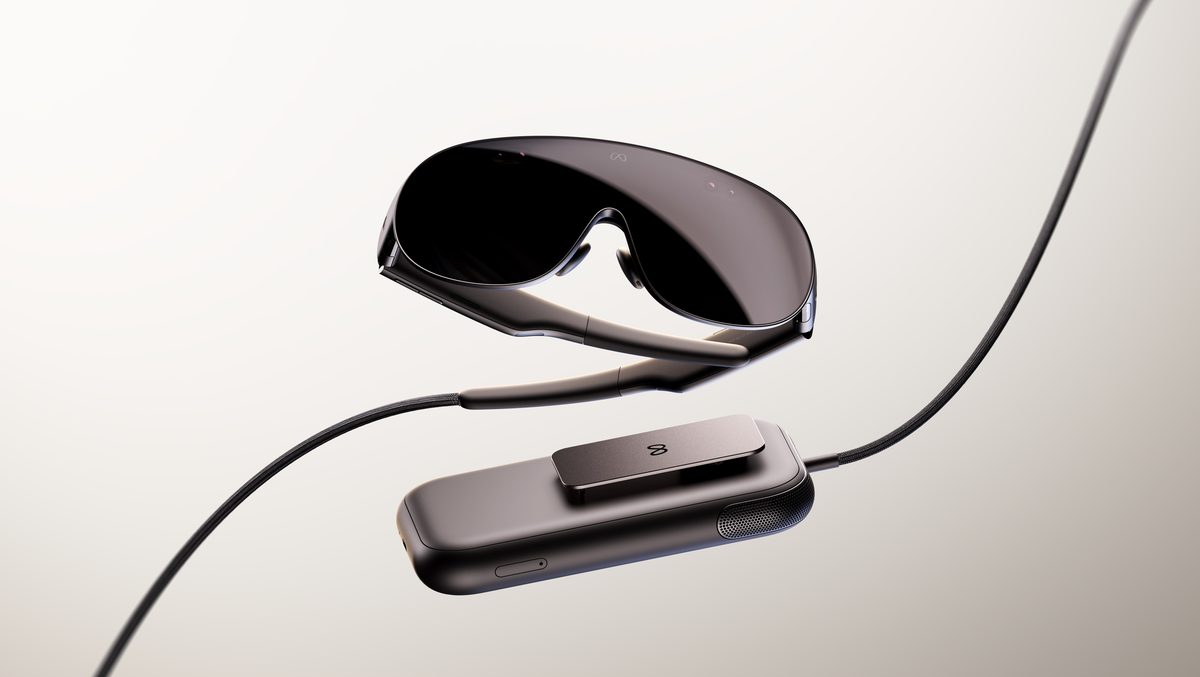
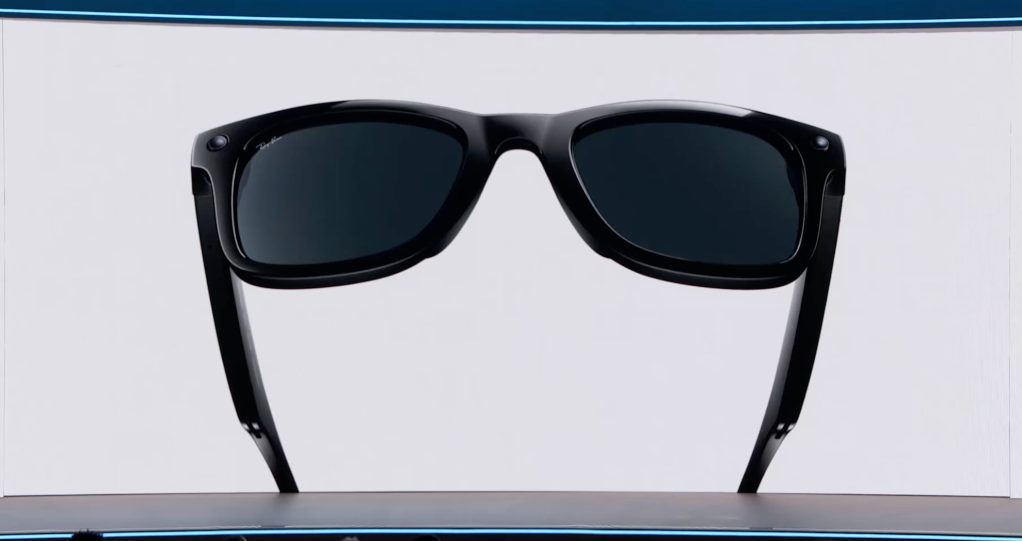
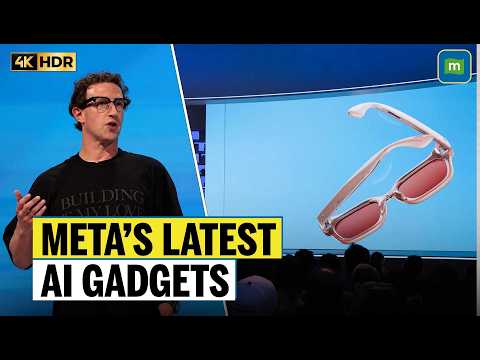
At Meta's Connect conference on September 23, Zuckerberg unveiled three devices aimed at making its Muse AI assistant a daily habit. They are a keychain-sized handheld, a 100-gram VR headset, and a camera-free pair of Ray-Ban smart glasses.

The Charm ships in December, the audio glasses start at $349 and ship October 13, and the VR glasses follow in spring 2027 at $1,299. Meta hasn't announced a price for Charm. The rollout is Meta's clearest bet yet that AI moves out of the phone and into dedicated hardware.

Why it matters

Meta is betting keychain-sized AI hardware will make its Muse assistant a daily habit and weaken the smartphone's hold on computing.

Questions about this story

Free account needed to ask — your question is kept and asked for you right after sign-up. Answers are public.

No questions yet — be the first to ask.

Key Indicators

$1,299
Meta VR Glasses price
Set to launch spring 2027, with battery and processor moved into a separate puck.
$349
Ray-Ban Meta Audio starting price
$100 cheaper than the camera-equipped Ray-Ban glasses; ships October 13.
100+
AI glasses styles by end of 2026
Across Ray-Ban, Oakley, and the new Meta Glasses lineup.
100 grams
Meta VR Glasses weight
Five times lighter than Meta Quest 3, roughly the weight of a deck of cards.
12 hours
Ray-Ban Meta Audio battery life
Up to 48 more hours with the charging case; up from 9 hours on camera glasses.

Voices

Curated perspectives — historical figures and your fellow readers.

Ever wondered what historical figures would say about today's headlines?

Sign up to generate historical perspectives on this story.

People Involved

Organizations Involved

Timeline

September 2024 March 2027

5 events Latest: Yesterday
Tap a bar to jump to that date
  1. Meta VR Glasses launch

    Upcoming Release

    $1,299 headset ships in spring, five times lighter than Quest 3.

  2. Muse Charm expected to ship

    Upcoming Release

    Meta says Charm ships in time for the holidays with no price announced yet.

  3. Ray-Ban Meta Audio ships

    Upcoming Release

    Camera-free audio glasses start shipping at $349 with 12-hour battery life.

  4. Meta Connect 2026 unveils three devices

    Latest Product Launch

    Zuckerberg reveals Muse Charm, Meta VR Glasses, and Ray-Ban Meta Audio in Menlo Park.

  5. Meta debuts Quest 3S headset

    Product Launch

    Meta's prior VR launch, the $299 Quest 3S, anchored its push into affordable headsets.

Scenarios

1

Muse Charm becomes the holiday's breakout AI gadget

Uncertain Resolves by Feb 1, 2027

Discussed by: Reuters, which noted younger users may warm to the nostalgic companion-style design

Charm ships in December at a price Meta hasn't announced. Strong holiday demand would validate Meta's bet that AI hardware can thrive beyond phones and draw developers to build on Muse, extending the assistant's viral run into a durable platform.

2

Charm follows Humane and Rabbit into obscurity

Possible Resolves by Mar 1, 2027

Discussed by: Reuters and analysts pointing to past AI handheld flops

Earlier standalone AI gadgets, Humane's AI Pin and Rabbit's R1, collapsed after hyped launches, burning consumer trust in the category. If Charm repeats that pattern, Meta likely pulls the product or lets it fade while refocusing on its glasses line.

3

Privacy complaints slow the camera-free Audio glasses

Possible Resolves by Dec 15, 2026

Discussed by: Critics quoted by The Straits Times and The Japan Times

The Audio glasses drop cameras but still record audio with no clear signal to bystanders, unlike camera glasses that flash a light while filming. Consumer or regulatory pressure could push Meta to add a recording indicator or restrict features in some markets.

Historical Context

3 moments from history that rhyme with this story — and how they unfolded.

2013-2015

Google Glass (2013-2015)

Google sold early prototypes of an always-on camera headset to developers and 'explorers.' Bystanders worried about being recorded without consent, and the device drew bans from bars, casinos, and gyms.

Then

Google pulled consumer Glass in 2015 after the privacy backlash and lack of mainstream adoption.

Now

The episode established that wearable recording devices need visible consent cues, a lesson now facing Meta's audio-only glasses.

Why this matters now

Meta's camera-free Audio glasses avoid the camera problem but still record audio with no clear signal to bystanders, reviving the same consent question.

2024

Humane AI Pin and Rabbit R1 (2024)

Two startups launched standalone AI wearables with splashy debuts: Humane's $699 AI Pin and Rabbit's $199 R1. Both were handheld or clip-on devices meant to replace phone-based interactions with a voice assistant.

Then

Reviews slammed both for weak performance and reliability; sales collapsed within months.

Now

The flops made investors and consumers skeptical that standalone AI hardware can succeed, a headwind Charm now faces.

Why this matters now

Muse Charm is Meta's bet it can succeed where Humane and Rabbit failed, using a proven assistant and Meta's distribution reach.

2024

Apple Vision Pro (2024)

Apple launched the Vision Pro, its highest-end VR headset, to strong early buzz. Reviewers flagged its weight and four-figure price, and sales cooled after launch.

Then

The Vision Pro found a niche in demo and enterprise settings but did not crack the consumer mainstream.

Now

Meta's VR Glasses target the same category with a lower price and a fraction of the weight, positioning against costlier rivals like Apple.

Why this matters now

Meta's 100-gram design and $1,299 price directly answer the weight and cost complaints that limited the Vision Pro.

Sources

(10)