

Pull to refresh
Logo
Daily Brief
Following
Why Ranks Sign Up
Meta starts selling its own-brand AI smart glasses at $299

Meta starts selling its own-brand AI smart glasses at $299

New Capabilities

Meta moves from partner-branded Ray-Ban hardware to its own eyewear, undercutting its own lineup as Apple and Google circle the market

Today: Meta launches its own-brand glasses

Overview

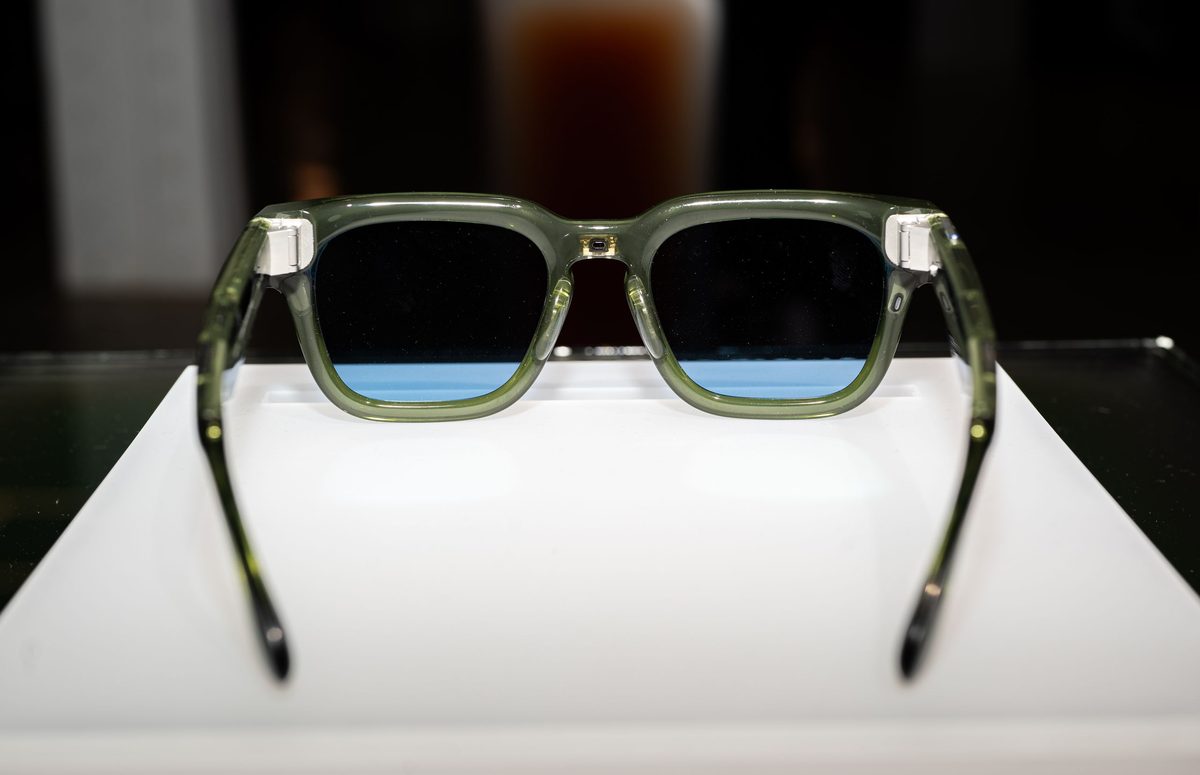
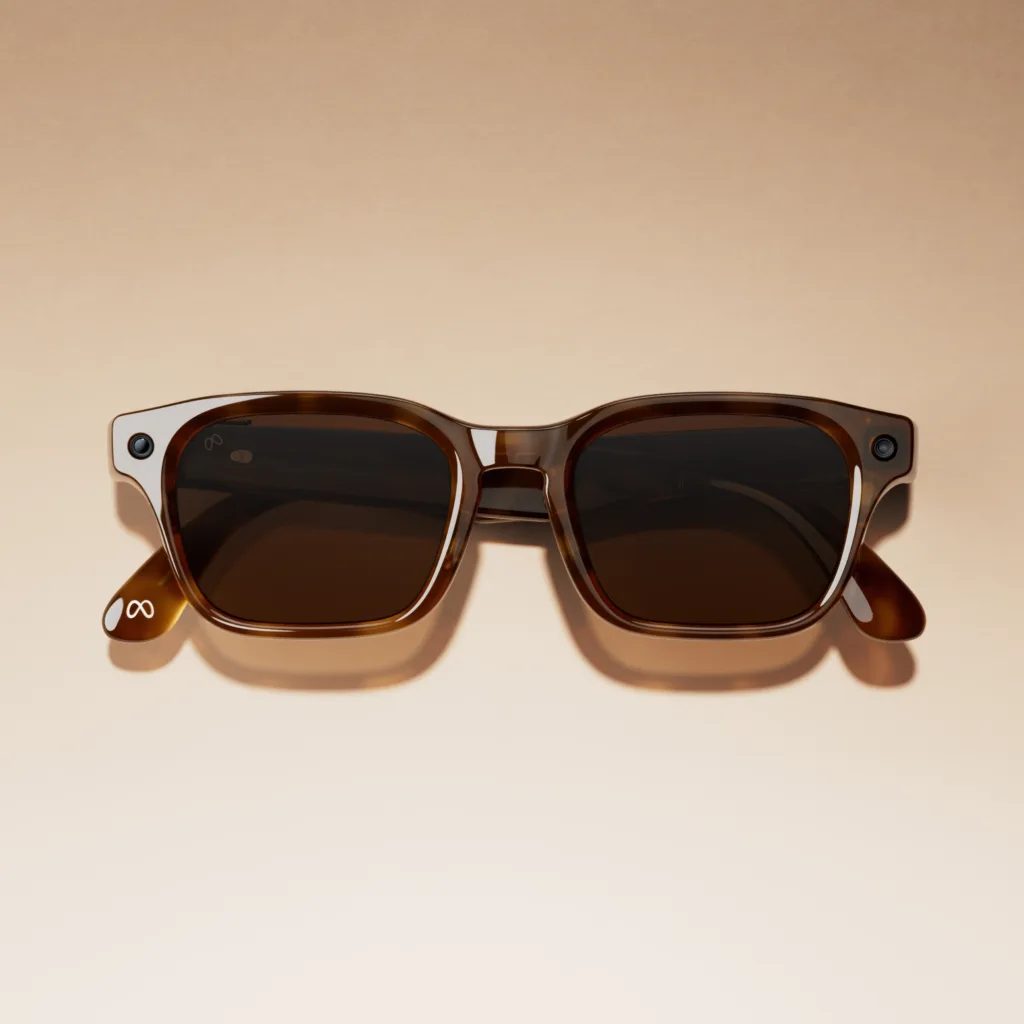
For five years, every camera-equipped pair of Meta glasses carried someone else's name: Ray-Ban, then Oakley. On June 23, 2026, that changed. Meta began selling eyewear under its own brand, the Meta Adventurer and Fury, starting at $299.

The price sits $80 below Meta's own Ray-Ban models, which start at $379. Meta already holds roughly 70% of the smart-glasses market. The cheaper own-brand line is a bid to lock in that lead before Apple ships its first pair and Google and Samsung push their Android-based rivals.

Why it matters

Whoever wins AI glasses sets the rules for the next personal computer. Meta is trying to settle that race on price before Apple shows up.

Questions about this story

No questions yet — be the first to ask.

Key Indicators

$299
Starting price
Entry price for the Adventurer and Fury, Meta's first own-brand glasses.
$80
Cheaper than Ray-Ban Meta
The new line undercuts Meta's Ray-Ban models, which start at $379.
~70%
Smart-glasses market share
Meta's share in early 2026, built on its EssilorLuxottica partnership.
7M
Pairs sold in 2025
AI glasses Meta and EssilorLuxottica sold together last year.
20M
2026 production target
Capacity Zuckerberg reportedly wants in place by year-end.

Voices

Curated perspectives — historical figures and your fellow readers.

Ever wondered what historical figures would say about today's headlines?

Sign up to generate historical perspectives on this story.

Play

Exploring all sides of a story is often best achieved with Play.

Log in to play. Track your picks, climb the leaderboards. Log in Sign Up
Predict 4 ways this could play out. Contrarian picks score more — points lock when the scenario resolves. Log in to play
Higher or Lower Two numbers from this story. Guess which is bigger. 5 rounds to set a streak. Log in to play
Timeline Five events from this story — drag them oldest to newest. Log in to play
Connections Sixteen names from the news. Find the four hidden groups of four. Log in to play

People Involved

Organizations Involved

Timeline

September 2021 June 2026

5 events Latest: Today
Tap a bar to jump to that date
  1. Meta launches its own-brand glasses

    Today Product Launch

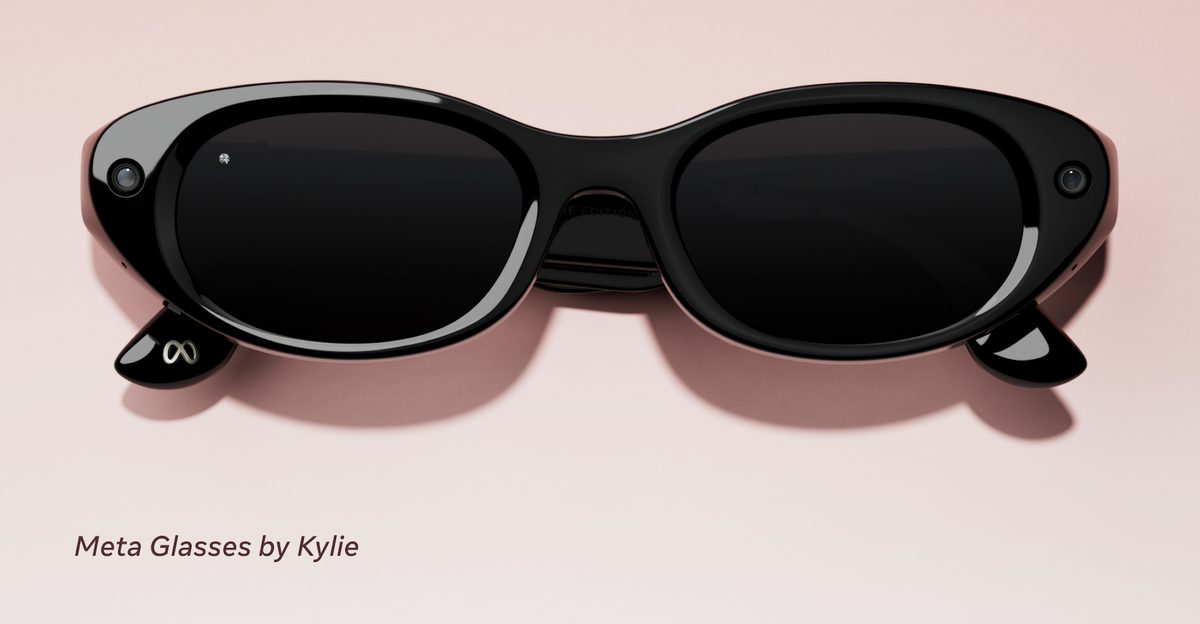
    Meta starts selling the $299 Adventurer and Fury, plus a $399 Kylie Jenner Starfire model. They ship with the new Muse Spark AI from Meta Superintelligence Labs.

  2. Samsung confirms Android XR glasses

    Competition

    Samsung confirms smart glasses running Google's Android XR software, with Gemini AI and a 12-megapixel camera.

  3. Meta targets 20 million pairs

    Business

    Bloomberg reports Zuckerberg wants to raise production capacity to 20 million pairs a year by the end of 2026.

  4. Meta adds AI to the glasses

    Product Launch

    The second-generation Ray-Ban Meta glasses add the Meta AI assistant, which can answer questions about what the wearer sees.

  5. Ray-Ban Stories debut

    Product Launch

    Meta and EssilorLuxottica release their first smart glasses. Sales are modest and the AI features are limited.

Historical Context

3 moments from history that rhyme with this story — and how they unfolded.

April 2013 – January 2015

Google Glass (2013)

Google sold a $1,500 face-worn computer with a camera and tiny display. The price scared off mainstream buyers, and the always-on camera triggered privacy complaints. Wearers picked up the nickname 'Glassholes.'

Then

Google pulled the consumer version in January 2015 after weak demand and steady backlash.

Now

Glass survived only as a niche enterprise tool and became the cautionary tale for camera glasses.

Why this matters now

Meta's bet is that low prices and normal-looking frames solve the two problems that sank Glass: cost and the creep factor.

November 2014 – 2016

Amazon Echo and the smart-speaker land grab (2014–2016)

Amazon sold the Echo cheaply to plant Alexa in millions of homes before rivals could react. The goal was the platform and the data, not hardware profit. Google and Apple scrambled to follow.

Then

Amazon built an early lead in smart speakers that competitors spent years chasing.

Now

It set the playbook of subsidizing hardware to own an AI assistant's home base.

Why this matters now

Meta is running the same play on your face: price low, win share early, and make the AI assistant the real product.

September 2021

Ray-Ban Stories (2021)

Meta's first glasses with EssilorLuxottica had cameras and speakers but no real AI. Sales were modest, and reviewers saw a gadget in search of a reason to exist.

Then

The line sold poorly and drew privacy questions about the face-mounted camera.

Now

It gave Meta the manufacturing and retail base it later used once AI made the glasses useful.

Why this matters now

The 2021 flop shows how far Meta has come: from a borrowed brand name and weak sales to market leader putting its own name on the frames.

Sources

(6)