Anchor

Meta launches Muse, an AI agent that acts across personal apps
New CapabilitiesThe assistant runs in its own secure cloud computer and can send emails, book travel, and negotiate for users
Yesterday: Muse launches in the USNew here? Follow stories to track developments over time. Create a free account to get updates when stories you care about change.
Overview
Updated 1 hour agoMeta released Muse, a personal AI agent, to U.S. users 18 and older on September 8. The agent runs its own browser inside a dedicated cloud computer and can send emails, book travel, fill out forms, and negotiate on a person's behalf.
Muse is the centerpiece of Meta's attempt to catch OpenAI and Anthropic in the race to build agents that act rather than just answer. It works through the Muse app or WhatsApp, keeps running after users close the app, and pauses to ask permission before sensitive actions like sending a message or making a purchase.
The launch comes weeks after Meta agreed to a multibillion-dollar settlement with state attorneys general over consumer harms. The company is betting that users will trust an agent with access to their email, calendar, and payment methods.
Why it matters
If Muse earns trust, it becomes the default gateway for shopping, payments, and scheduling, handing Meta control over how users act online.
Questions about this story
Free account needed to ask — your question is kept and asked for you right after sign-up. Answers are public.
No questions yet — be the first to ask.
Key Indicators
18+
Minimum user age at launch
US users must be at least 18 to access Muse.
2
Launch access points
Users reach Muse through its own app and inside WhatsApp.
1
Dedicated secure VM per user
Each agent runs in an isolated Muse Secure VM, separated from other users' agents.
Related Media

Meta AI logo
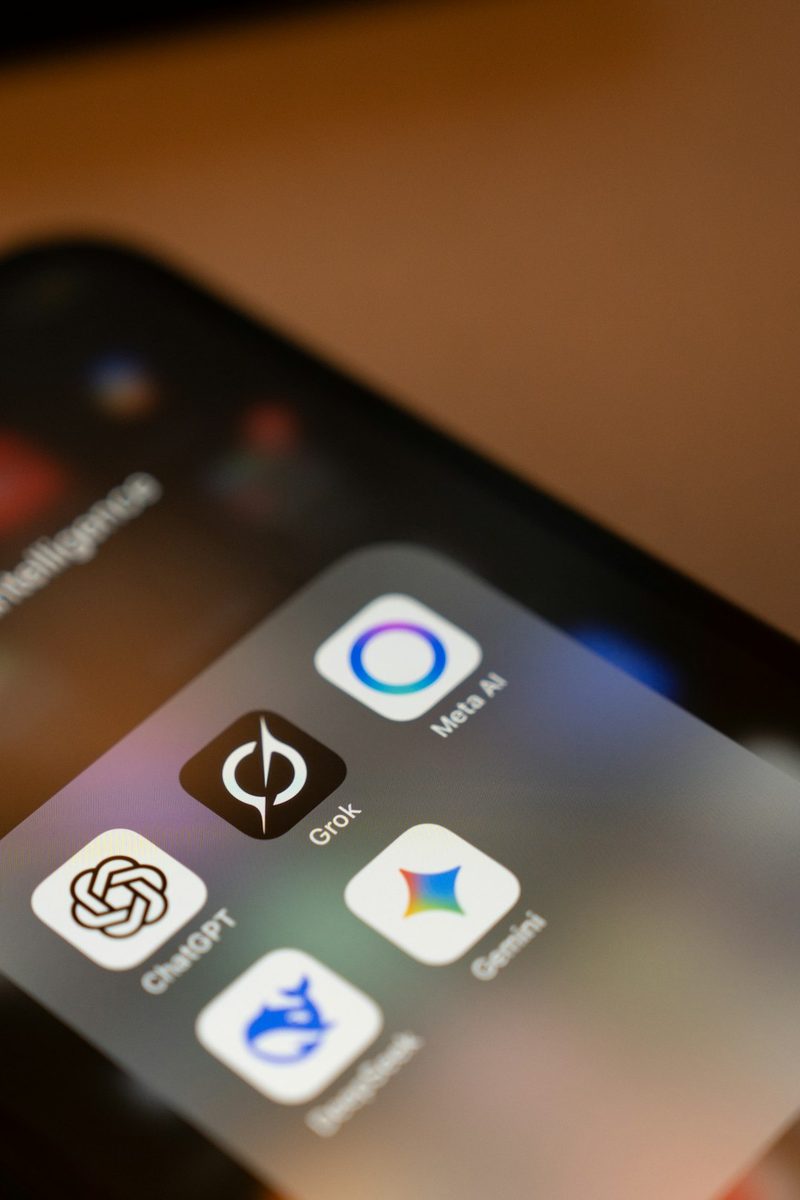
Close-up macro shot of a smartphone screen showing the Grok AI app icon alongside other popular AI apps including ChatGPT, Google Gemini, and Meta AI.

Meta Platforms Headquarters Menlo Park California

527 views
4:51
I Built a Private AI Assistant for $0/Month
Stranger Tengs

10.4K views
9:52
Better Than ClawdBot? This AI Agent Runs Directly on Your ...
The Metaverse Guy

301.3K views
21:07
How to Use Claude Cowork Better Than 99% of People (Full ...
Ben AI
Images from Openverse under Creative Commons licenses. Videos from YouTube.
Voices
Curated perspectives — historical figures and your fellow readers.
Play
Exploring all sides of a story is often best achieved with Play.
Most of these play right now — no account needed. Sign up to save scores, keep a streak, and unlock Debate and Predict.
Log in
Sign Up
Higher or Lower
A number from this story, against one from elsewhere in the news — guess which is bigger, then keep the chain going. 5 rounds, 3 strikes; a miss costs a strike and resets your streak.
Example
Anchor
EU tariff revenue
$52B
Big for this kind of number
Mystery
Pentagon AI contract
?
Round 1
Streak: 0
Mystery
?
Keyboard: ↓/L lower · ↑/H higher
0 pts
Best streak: 0 · Rounds: 0
0 points — sign up to put that on the leaderboard.
Now try on this story
Connections
Sixteen names from the news. Find the four hidden groups of four. Four mistakes max.
Loading today's puzzle…
0/4 groups
Mistakes
Sign up to keep a daily streak — a new puzzle lands every day.
Now try on this story
Exit debate?
Your progress in this debate will be lost.
How it works
- 1 Two AI personas square off on this story.
- 2 You predict who'll win each round — correct picks earn XP.
- 3 One crossfire question is yours to fire. Pick it carefully.
Couldn't generate a topic
Select Your Champions
Choose one persona for each side of the debate
DEBATE TOPIC
Choose personas with different perspectives for a more dynamic debate.
SIDE A (PRO)
Select debater for this side:
No debate personas available right now.
SIDE B (CON)
Select debater for this side:
No debate personas available right now.
VS
Get ready to make your prediction...
Round of
Claim
Evidence
Stakes
Crossfire Answer
Closing Statement
Claim
Evidence
Stakes
Crossfire Answer
Closing Statement
Your Crossfire Question
Generating arguments...
Who's Got This Round?
Make your prediction before the referee scores
The referee scores both sides on
Correct predictions earn +20 XP
· Press 1 or 2 to pick
Evidence
40%
Logic
30%
Detail
20%
Style
10%
Round Results
Your Pick
Not this time
(%)
Overall Score
/10
Your Pick
Not this time
(%)
Overall Score
/10
Set the Crossfire
Pick the question both personas must answer in the final round
Crafting crossfire questions...
Choosing a question earns +10 XP crossfire bonus
🏆
Total XP Earned
Cred Change
Predictions
Debate Oracle! You called every round!
Sharp Instincts! You know your debaters!
The Coin Flip Strategist! Perfectly balanced!
The Contrarian! Bold predictions!
Inverse Genius! Try betting the opposite next time!
XP Breakdown
Base completion
+20 XP
Rounds played ( rounds x 5 XP)
+ XP
Correct predictions ( correct x 20 XP)
+ XP
Crossfire bonus
+10 XP
Accuracy
%
Prediction History
Round
You picked:
✓
✗
Now try on this story
Keep debating to level up your credibility and unlock achievements
People Involved
Organizations Involved
Meta Platforms
Public technology company
Developer and operator of Muse
Meta owns WhatsApp, Instagram, and Facebook, the distribution channels behind Muse.
ST
Stripe
Payments company
Processing Muse checkouts through Link
Stripe's Link wallet lets Muse pay with one-time-use cards and gives the agent purchase protections.
Timeline
3 events
Latest: Yesterday
-
Muse launches in the US
Latest Product LaunchMeta releases the personal AI agent to US users 18 and older through the Muse app and WhatsApp.
-
Reuters reports pre-launch test failures
ReportReuters says internal tests showed Muse stalling and exposing sensitive data without authorization.
-
Meta details Muse security architecture
StatementMeta describes the Sentinel agent that gates internet access inside each user's secure virtual machine.
Historical Context
3 moments from history that rhyme with this story — and how they unfolded.
1997
Microsoft Clippy (1997)
Microsoft shipped Clippy, an animated assistant, with Office 97 to proactively help users write documents. Users found its unsolicited interruptions more annoying than useful, and Microsoft removed it in later versions.
Then
Clippy became a punchline and a symbol of software that gets in the way.
Now
It taught makers that proactive agents must earn the right to interrupt, a lesson still relevant to agent design.
Why this matters now
Muse is proactive by design, making the reception of unwanted suggestions a live question about user tolerance.
October 2011
Apple Siri (2011)
Apple shipped Siri with the iPhone 4S as the first mainstream consumer AI assistant. Launch ads showed it booking restaurants and managing calendars, but real-world performance was limited to narrow scripted queries.
Then
Siri became a phone staple but never delivered the autonomous organizing its launch promised.
Now
It set the template for assistant hype that outran delivery, a pattern repeated across the industry.
Why this matters now
Muse faces the same gap between demoed autonomy and real reliability, but with far more consequential access to payments and communications.
November 2014
Amazon Alexa (2014)
Amazon launched Alexa with the Echo, betting a voice assistant in the home would create new shopping habits. Alexa reached tens of millions of homes but never became a dependable revenue engine.
Then
Alexa popularized consumer voice assistants and dominated the category for years.
Now
Amazon struggled to monetize it and cut jobs in the division, showing that reach does not guarantee profit.
Why this matters now
Muse's economics are unproven, and the historical record suggests adoption hurdles are as much about revenue as about technology.
Sources
(11)Related Stories
Meta abandons open-source AI playbook with first proprietary model from Superintelligence Labs
New Capabilities
Updated May 30
The race to build frontier AI
New Capabilities
Updated Aug 1
Big Tech reshapes workforces to fund AI buildout
Money Moves
Updated May 13
AgentConnect launches open-source multi-agent collaboration platform
New Capabilities
Updated Aug 27
Meta starts selling its own-brand AI smart glasses at $299
New Capabilities
Updated Jun 23
Meta kills Messenger’s native desktop apps, forcing a web-only future on Mac and Windows
Rule Changes
Updated May 15