

Pull to refresh
Logo
Microsoft folds coding, agents, and Office into a unified Copilot app

Microsoft folds coding, agents, and Office into a unified Copilot app

New Capabilities

Code and Autopilot tabs join chat in one interface, with Word, Excel, and PowerPoint embedded — plus usage-based billing for AI work.

Today: Microsoft unveils unified Copilot with Code, Autopilot, Office embedded

Overview

Updated 42 minutes ago

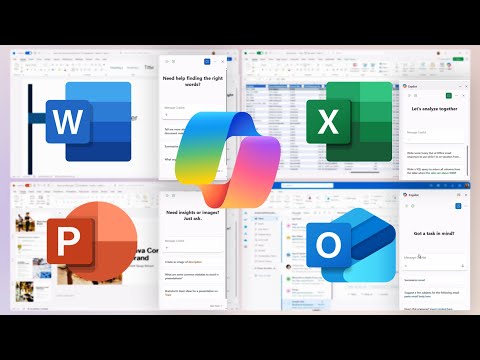
Microsoft spent three years selling Copilot as a chat window that drafts emails and summarizes meetings. Now it's selling Copilot as the room itself: a single app that chats, writes code, runs always-on agents, and embeds full versions of Word, Excel, and PowerPoint inside it.

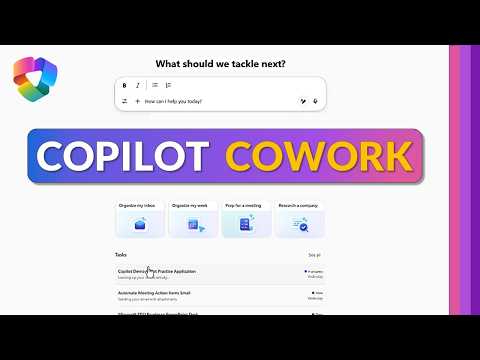
The redesign also changes how Microsoft gets paid. On top of the flat per-seat license, intensive features like Cowork, Code, and Autopilot are metered by usage — a model CEO Satya Nadella previewed in July as "per-seat-plus-consumption." It's Microsoft's answer to slow adoption: only about 7% of commercial Microsoft 365 seats carry paid Copilot today.

Why it matters

If Copilot's coding tools and always-on agents do real work, every Microsoft 365 organization gets an automated coworker — and a metered bill to match.

Questions about this story

Free account needed to ask — your question is kept and asked for you right after sign-up. Answers are public.

No questions yet — be the first to ask.

Key Indicators

30M+
Paid Microsoft 365 Copilot seats
Reported July 2026, up from 20 million in April.
7%
Share of commercial M365 seats with paid Copilot
Microsoft reported 450 million+ commercial seats in January 2026.
450M+
Commercial Microsoft 365 seats
The addressable base Copilot is trying to convert.
3
Tabs in the new Copilot app
Home (chat and Cowork), Code, and Autopilot replace the chat-only interface.

Voices

Curated perspectives — historical figures and your fellow readers.

Ever wondered what historical figures would say about today's headlines?

Sign up to generate historical perspectives on this story.

People Involved

Organizations Involved

Timeline

April 2026 September 2026

4 events Latest: Today
Tap a bar to jump to that date
  1. Microsoft unveils unified Copilot with Code, Autopilot, Office embedded

    Today Product launch

    New Copilot app adds Code and Autopilot tabs; Word, Excel, PowerPoint now run inside the assistant.

  2. Microsoft hits 30 million seats; Nadella outlines usage-based billing

    Milestone

    Paid seats reach 30 million. Nadella tells investors Microsoft is moving beyond per-seat to per-seat-plus-consumption.

  3. Fortune reports Copilot super app plans

    Report

    Fortune reports Microsoft is building a Copilot "super app" as a central AI interface.

  4. Microsoft reports 20 million paid Copilot seats

    Milestone

    Quarterly results show 20 million paid Microsoft 365 Copilot seats.

Scenarios

1

Microsoft reports 60 million paid Copilot seats within a year

Possible Resolves by Apr 30, 2027

Discussed by: Microsoft leadership betting on per-seat-plus-consumption; GeekWire notes the model gives the company a second revenue lever beyond seat counts

If Code and Autopilot prove genuinely useful, more of the 450 million commercial Microsoft 365 users will convert. Even flat seat counts generate revenue from metered agent usage. Microsoft reported 30 million paid seats in July, up from 20 million in April, and the new features are the push to keep that curve steep.

2

Enterprise cost backlash forces Copilot pricing rework

Possible Resolves by Mar 25, 2027

Discussed by: GeekWire notes usage-based services are off by default and admins can set spending limits — a sign Microsoft expects resistance from finance departments

Always-on agents and metered coding generate open-ended spend. Finance teams comfortable with flat per-seat fees may balk at AI charges that scale with activity. Microsoft's choice to keep metered features off by default suggests it's bracing for exactly this pushback from customers.

3

Code and Autopilot splinter into standalone products

Possible Resolves by Sep 25, 2027

Discussed by: The Verge notes Code is "a surprise addition not typically associated with knowledge-worker apps"; Microsoft previously unbundled Teams from Microsoft 365 in 2023

A chat app, a natural-language coding tool, and an agent platform serve different users. If those audiences diverge, Microsoft may split them into separate products — as it did when it unbundled Teams from Microsoft 365 under pressure from EU antitrust regulators.

Historical Context

3 moments from history that rhyme with this story — and how they unfolded.

1997-2001

Microsoft Clippy (1997-2001)

Microsoft shipped Clippy, an animated paperclip, in Office 97. It popped up to "help" users write letters and format documents and became one of the most mocked features in software history. Users widely described it as intrusive and useless.

Then

Clippy was disabled by default in Office XP in 2001 and quietly retired from later versions.

Now

Clippy became shorthand for AI assistants that get in the way, making Microsoft cautious about assistants ever since.

Why this matters now

Copilot is Microsoft's third attempt (after Clippy and Cortana) to embed an assistant in its productivity suite. The underlying AI is real this time, but Clippy's lesson stands: users abandon assistants that add friction rather than value.

2011-2018

WeChat becomes China's super app (2011-2018)

Tencent launched WeChat in 2011 as a mobile messaging app. By 2018 it had added payments, ride-hailing, and millions of mini-programs, becoming the default interface for Chinese digital life. Users went from messaging to paying bills to hailing cabs without leaving one app.

Then

WeChat grew past a billion users, and Tencent became one of the world's most valuable companies.

Now

WeChat became the template for the super app: one interface that owns chat, payments, commerce, and services.

Why this matters now

Microsoft is building the workplace equivalent — one app handling chat, documents, coding, and autonomous agents. WeChat shows both the payoff of owning the interface layer and how rare that outcome is.

2011-2016

Office 365 cloud transition (2011-2016)

Microsoft moved Office from boxed software to a subscription service, launching Office 365 for business in 2011 and consumers in 2013. The shift replaced one-time license fees with recurring payments and required constant feature updates to justify the subscription.

Then

Recurring revenue stabilized Microsoft's cash flows and funded the Azure cloud buildout.

Now

Office became a platform rather than a product; subscriptions now anchor Microsoft's finances.

Why this matters now

Per-seat-plus-consumption is the next iteration of that same play. Microsoft is adding usage metering on top of flat subscriptions, betting that AI features will be valuable enough that customers accept variable bills.

Sources

(10)