





Logo
Daily Brief
Following
Why
Microsoft Flips the Security Switch

Microsoft Flips the Security Switch

How the world's largest collaboration platform stopped making customers fix its security holes

Today: Microsoft Activates Teams Security Defaults Globally

Overview

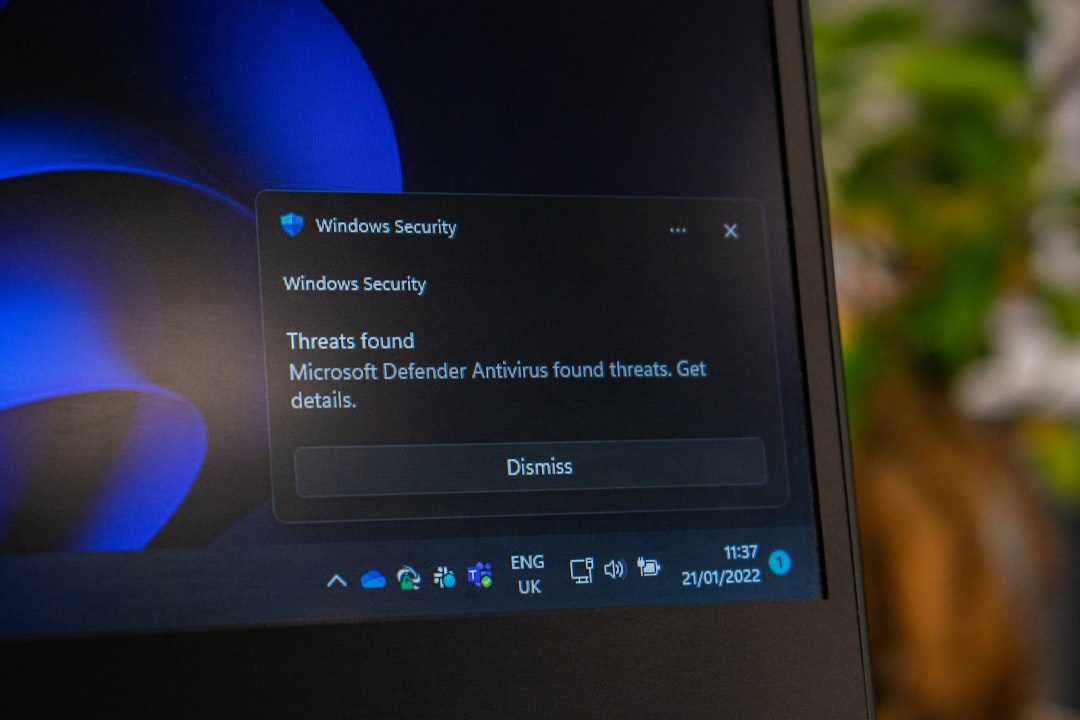
On January 12, 2026, millions of Teams users woke up to find their security settings had changed overnight. Microsoft activated weaponizable file blocking, malicious URL detection, and phishing protections across every organization still using default configurations—no IT administrator approval required. The move marks the sharpest turn yet in Microsoft's $34 billion bet that 'secure by default' can repair its battered reputation after Russian and Chinese hackers ransacked its networks in 2023.

This isn't about adding features. It's about flipping the incentive structure that made customers responsible for securing Microsoft's software. For decades, enterprises paid for collaboration tools, then paid again to harden them against attacks. Now Microsoft is embedding protections that once required manual configuration—a shift with implications far beyond Teams as regulators and competitors watch whether 'secure by default' actually works at scale.

Key Indicators

34,000
Engineers on security (FTE equivalent)
Microsoft's Secure Future Initiative represents the largest cybersecurity engineering project in history
60,000
Emails stolen by Chinese hackers
Storm-0558 breach of State Department accounts exposed Microsoft's security culture failures
4.5x
Higher AI phishing click rates
AI-generated phishing achieves 54% success vs. 12% for traditional attacks
68
Companies signed CISA secure-by-design pledge
Major software vendors committed to seven security goals including eliminating default passwords

People Involved

Charlie Bell
Charlie Bell
Executive Vice President, Microsoft Security (Leading Microsoft's Secure Future Initiative)
Jen Easterly
Jen Easterly
Director, Cybersecurity and Infrastructure Security Agency (CISA) (Leading U.S. government push for secure-by-design principles)

Organizations Involved

MI
Microsoft Security Division
Corporate Division
Status: Leading enterprise-wide security transformation

Manages security across Microsoft's cloud and enterprise products, currently executing the Secure Future Initiative.

Cybersecurity and Infrastructure Security Agency (CISA)
U.S. Federal Agency
Status: Driving industry-wide secure-by-design adoption

U.S. agency responsible for protecting critical infrastructure and promoting cybersecurity best practices across public and private sectors.

Timeline

  1. Microsoft Activates Teams Security Defaults Globally

    Product Change

    Weaponizable file blocking, malicious URL warnings, and false positive reporting enabled automatically for all standard configurations.

  2. Microsoft Reports AI Phishing Effectiveness Up 4.5x

    Research

    Digital Defense Report 2025 reveals AI-generated phishing achieves 54% click-through rate versus 12% for traditional methods.

  3. Microsoft Detects AI-Obfuscated Phishing Campaign

    Threat Intelligence

    Threat Intelligence team identifies credential phishing using AI-generated code to evade traditional defenses.

  4. Microsoft Expands SFI to Six Security Pillars

    Strategy

    Bell announces expansion covering identity protection, tenant isolation, network security, and engineering systems security.

  5. 68 Vendors Sign CISA Secure by Design Pledge

    Industry

    Microsoft joins competitors in committing to eliminate default passwords, enable MFA, and improve vulnerability transparency.

  6. Federal Review Board Blames Microsoft Culture

    Investigation

    DHS Cyber Safety Review Board calls Storm-0558 breach 'preventable,' citing culture that deprioritized security investments.

  7. Russian Hackers Breach Microsoft Corporate Network

    Breach

    Midnight Blizzard accessed executive emails using password spray attack on account lacking two-factor authentication.

  8. CISA Demands Default Password Elimination

    Regulatory

    Federal agency issues alert urging all manufacturers to remove default credentials from products.

  9. Microsoft Launches Secure Future Initiative

    Announcement

    Charlie Bell announces largest cybersecurity engineering project in history, dedicating 34,000 full-time engineers to security transformation.

  10. Teams Phishing Campaign Delivers DarkGate Malware

    Attack

    Threat actors used compromised accounts to send malicious files through Teams external chat, bypassing email filters.

  11. Chinese Hackers Breach Microsoft Exchange

    Breach

    Storm-0558 compromised 60,000 emails from State Department and 21 other organizations using stolen Microsoft authentication keys.

Scenarios

1

Secure by Default Becomes Industry Standard

Discussed by: CISA, cybersecurity policy analysts, enterprise IT publications

Microsoft's Teams deployment succeeds without major disruptions, validating that automatic security protections work at enterprise scale. Competitors like Slack, Zoom, and Google Workspace follow suit within 12-18 months, hardening defaults to avoid regulatory pressure and customer backlash. CISA's pledge evolves from voluntary commitments to enforceable standards backed by procurement requirements—federal contracts require secure-by-default certifications. The shift reduces successful phishing and malware attacks by 40-60% across collaboration platforms as attackers lose easy entry points through unprotected default configurations.

2

Enterprise Revolt Forces Microsoft Rollback

Discussed by: IT administrators on forums, managed service providers, cybersecurity skeptics

Within weeks of activation, thousands of IT teams report false positives blocking legitimate file transfers and flagging internal URLs as malicious. Customer support tickets surge 10x. Large enterprises with complex workflows demand opt-out mechanisms, claiming Microsoft's one-size-fits-all approach breaks critical business processes. Microsoft quietly adds granular controls and delays future automatic activations, effectively returning to opt-in security. The incident becomes a cautionary tale about the limits of 'secure by default' in heterogeneous enterprise environments—and validates the old model where customers configure their own security.

3

Regulatory Mandates Accelerate Government Action

Discussed by: Federal policy analysts, EU cybersecurity regulators, industry compliance experts

The Teams activation demonstrates technical feasibility of secure defaults, prompting regulators to stop waiting for voluntary compliance. The EU's Cyber Resilience Act enforcement (2024) expands beyond IoT devices to cover all enterprise SaaS platforms. U.S. legislation mirrors CISA's pledge as mandatory requirements for any software sold to federal agencies or critical infrastructure. By 2027, major software vendors face a choice: harden defaults globally or fragment products into compliant and non-compliant editions. Microsoft's early move gives it competitive advantage in government and regulated industry contracts.

Historical Context

UK Bans Default Passwords on Smart Devices (April 2024)

2024-04-29

What Happened

The UK's Product Security and Telecommunications Infrastructure Act became the first national law prohibiting manufacturers from shipping network-connected devices with guessable default passwords. Vendors selling routers, cameras, and IoT devices in the UK market were required to force unique credential setup during initial configuration. The regulation followed years of botnet attacks exploiting default credentials on consumer devices.

Outcome

Short Term

Manufacturers redesigned onboarding flows for UK market; some created region-specific firmware versions.

Long Term

EU's Cyber Resilience Act (2024) adopted similar provisions, creating de facto global standard for IoT security.

Why It's Relevant Today

Proves regulatory mandates can force secure-by-default adoption when voluntary approaches fail—exactly the pressure Microsoft faces with collaboration platforms.

Microsoft 365 Security Defaults Rollout (October 2019)

2019-10-22 to 2021

What Happened

Microsoft automatically enabled baseline security settings for new Azure AD and Microsoft 365 tenants, including mandatory MFA for administrators, blocked legacy authentication, and required MFA for privileged activities. Existing tenants could opt in manually but weren't automatically migrated. The initiative aimed to protect small and medium businesses lacking dedicated security teams.

Outcome

Short Term

Adoption reached 30% of eligible tenants within first year; most enterprises opted out in favor of custom conditional access policies.

Long Term

Established precedent for Microsoft forcing security features on by default, reducing account takeover attacks across the ecosystem.

Why It's Relevant Today

The 2026 Teams activation follows the same playbook but applies to existing tenants, not just new ones—a far more aggressive intervention.

Google Workspace Enforces MFA for Super Admins (2024)

2024

What Happened

Google began requiring two-step verification for all Workspace super administrator accounts, starting with Enterprise editions and expanding to all tiers. Admins received 60-day warnings before enforcement. Unlike Microsoft's approach, Google targeted only the most privileged accounts rather than all users or default security configurations.

Outcome

Short Term

Minimal customer resistance; most super admins already used MFA due to elevated risk awareness.

Long Term

Regular users remained unprotected unless organizations manually enforced 2SV, leaving most Workspace security as opt-in.

Why It's Relevant Today

Highlights the tension between surgical interventions (Google's admin-only approach) versus comprehensive defaults (Microsoft's all-tenant Teams activation).

15 Sources: