
Pull to refresh
Logo
Montenegro expels Russian milblogger and four associates on security grounds

Montenegro expels Russian milblogger and four associates on security grounds

Force in Play

Rybar founder Mikhail Zvinchuk detained in Risan days before a Russia visa regime takes effect

Yesterday: Zvinchuk group detained in Risan

Overview

Updated 1 hour ago

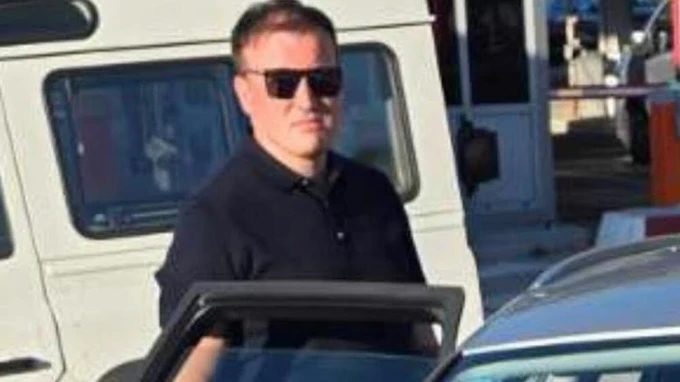
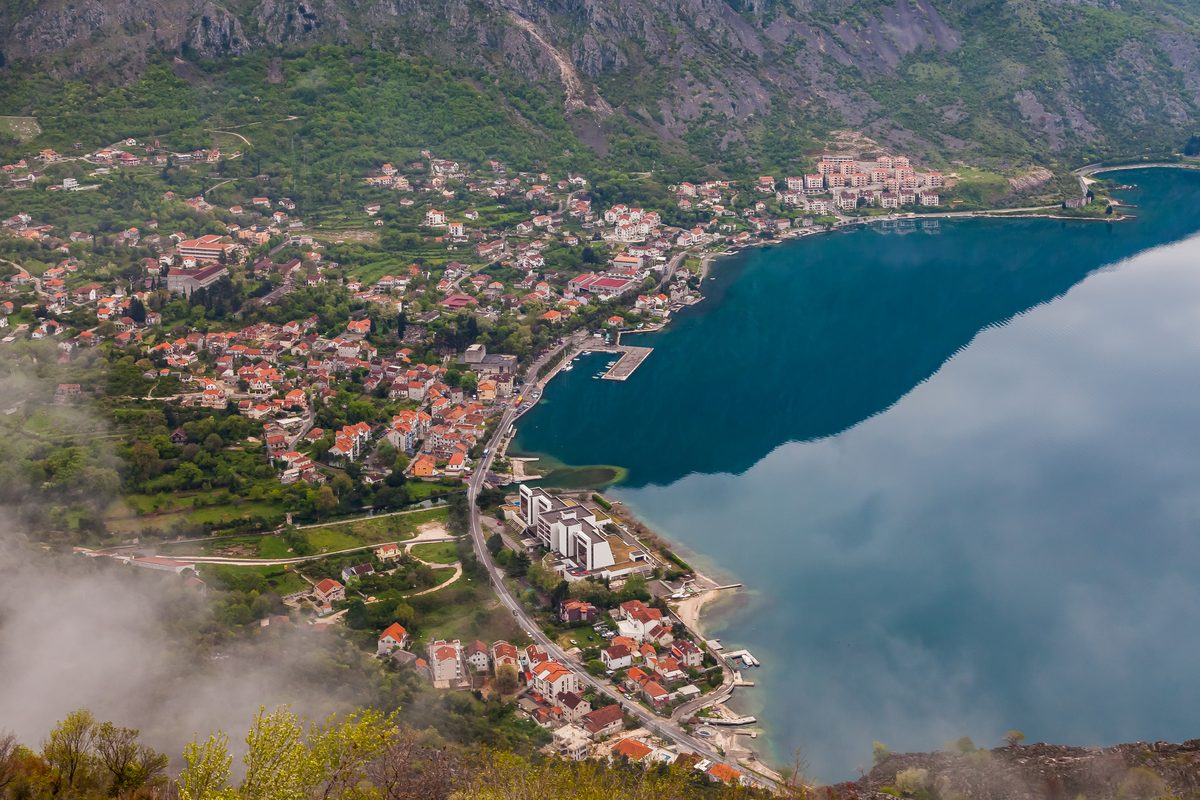
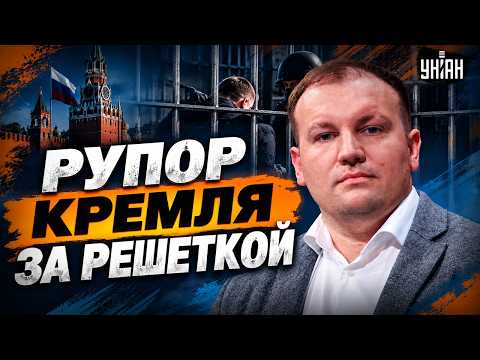
Montenegro detained and expelled Mikhail Zvinchuk, founder of the pro-war Russian Telegram channel Rybar, together with his wife and three associates, citing national and internal security. The group was seized at a hotel in the coastal town of Risan less than two days after entering the country, and police confiscated a drone, two cameras, and several phones.

The expulsion signals Montenegro hardening its Western alignment as it pursues European Union membership, with a target accession date of January 1, 2028. Zvinchuk is under EU sanctions for activities that undermine Ukraine's territorial integrity, and Britain sanctioned ten Rybar-linked figures in July for spreading false narratives and interfering in European elections.

Why it matters

Montenegro's expulsion of Kremlin-linked operatives shows its security services actively dismantling Russian influence networks as EU accession approaches—and Moscow losing ground in a former ally.

Questions about this story

Free account needed to ask — your question is kept and asked for you right after sign-up. Answers are public.

No questions yet — be the first to ask.

Key Indicators

5
Russian nationals expelled
Zvinchuk, his wife, and three associates ordered out on national security grounds.
1.5M+
Rybar Telegram followers
Zvinchuk's channel is one of the most popular pro-war Russian sources.
10
Rybar-linked individuals sanctioned by Britain
July sanctions cited spread of false narratives and election interference in Moldova and Armenia.
2028-01-01
Montenegro's EU accession target
The country is aligning visa policy with EU rules ahead of expected entry.

Voices

Curated perspectives — historical figures and your fellow readers.

Ever wondered what historical figures would say about today's headlines?

Sign up to generate historical perspectives on this story.

People Involved

Organizations Involved

Timeline

June 2017 November 2026

5 events Latest: Yesterday
Tap a bar to jump to that date
  1. Montenegro to require visas for Russian citizens

    Upcoming Policy change

    Visas for Russians take effect as Montenegro aligns its policy with EU rules ahead of accession.

  2. Zvinchuk group detained in Risan

    Latest Security operation

    Police seized Zvinchuk, his wife, and three associates at a hotel, confiscating a drone, cameras, and phones.

  3. Britain sanctions ten Rybar-linked figures

    Sanctions

    The UK sanctioned Zvinchuk and associates for spreading false narratives and interfering in elections.

  4. Montenegro joins NATO

    Geopolitical shift

    Montenegro defied Russia to join NATO despite heavy pressure and an alleged coup plot.

Scenarios

1

Moscow retaliates against Montenegro

Likely Resolves by Mar 1, 2027

Discussed by: Kremlin statements, Russian state media

Russia responds with diplomatic countermeasures: expelling Montenegrin diplomats, banning officials, or imposing visa restrictions. Kremlin spokesman Dmitry Peskov and Foreign Ministry spokesperson Maria Zakharova have already signaled an official response, saying diplomats would investigate and protect the rights of those expelled. The intensity of retaliation likely tracks whether Moscow views this as a routine expulsion or a deliberate provocation tied to EU accession.

2

Montenegro deepens crackdown on Russian influence networks

Possible Resolves by Jun 1, 2027

Discussed by: Montenegrin officials, EU-aligned security analysts

The expulsion becomes a template for further action. Montenegro's security services, working with EU and other Western partners, identify and expel additional Russian operatives as the November 1 visa regime takes effect and accession negotiations intensify. Prime Minister Spajic's warning that 'no one will jeopardize our European future' suggests political backing for continued operations.

3

Zvinchuk case fades as Russian networks shift tactics

Unlikely Resolves by Jun 1, 2027

Discussed by: Western counterintelligence analysts

Moscow avoids direct confrontation over the expulsions, instead relocating its information operations to other channels or countries with weaker enforcement. The case becomes a footnote in Montenegro's accession progress, with attention shifting to the November visa regime and the 2028 target date.

Historical Context

2 moments from history that rhyme with this story — and how they unfolded.

October 2016

Alleged Montenegro coup plot (2016)

On the eve of Montenegro's parliamentary elections, prosecutors alleged Russian intelligence agents plotted to assassinate then-Prime Minister Milo Đukanović and seize parliament to stop Montenegro joining NATO. Twenty people, including two Russians, were indicted.

Then

Montenegro joined NATO in 2017 despite the alleged plot, and two Russians were convicted in absentia in 2019.

Now

The episode cemented Montenegro's Western alignment and established a pattern of Russian hybrid operations in the Balkans that Western allies now watch for.

Why this matters now

The 2016 plot is the backdrop for Montenegro's current caution: the expulsion of Zvinchuk shows the same security services actively countering perceived Russian interference a decade later.

March 2018

Skripal poisoning and mass expulsions (2018)

After the poisoning of former Russian intelligence officer Sergei Skripal in Salisbury, England, over 25 countries expelled more than 150 Russian diplomats in a coordinated response. Russia retaliated against most of them.

Then

NATO allies expelled Russian intelligence officers operating under diplomatic cover, temporarily degrading Russian espionage capacity in Europe.

Now

Established a precedent for coordinated Western expulsions in response to perceived Russian operations, with Moscow typically responding in kind.

Why this matters now

The 2018 expulsions show the pattern Montenegro may trigger: a single expulsion invites coordinated Western solidarity, and Moscow almost always retaliates, escalating diplomatic costs.

Sources

(11)