

Pull to refresh
Logo
Denmark expels Russian attaché over alleged plot to kill Ukrainian rapper

Denmark expels Russian attaché over alleged plot to kill Ukrainian rapper

Force in Play

Copenhagen says Russian intelligence hired a banned street gang to kill Kyivstoner at a September concert; two Danes face attempted-murder charges

Overview

Updated 1 hour ago

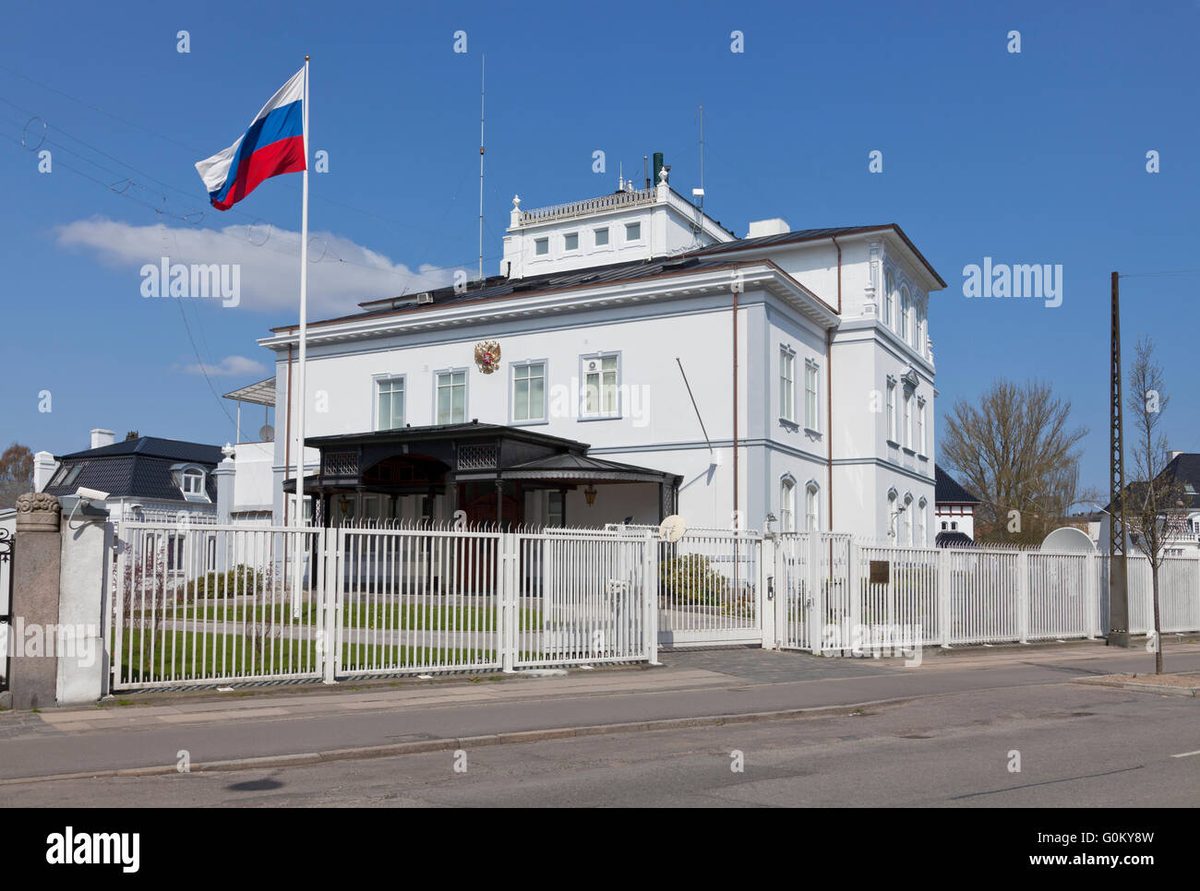
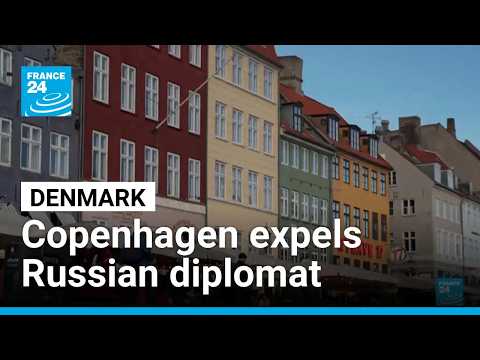
Denmark summoned Russia's ambassador on 20 November and gave the country's defence attaché seven days to leave. The order followed an assessment from Denmark's domestic intelligence service that Russian intelligence had tried to have a Ukrainian-American rapper killed at a concert north of Copenhagen. Two Danish men are charged with attempted murder and with helping a foreign intelligence service operate in the country.

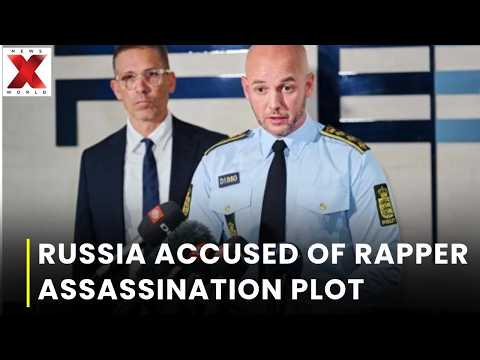
The alleged target was Kyivstoner, a rapper with Ukrainian and US citizenship. The alleged foot soldiers came from Loyal to Familia, a Copenhagen street gang Denmark's Supreme Court banned in 2021. Danish intelligence officials say this is the first case in which they have assessed that Russia attempted an execution on Danish soil, and Copenhagen is now pressing the European Union to stop issuing tourist visas to Russian citizens.

Why it matters

If Copenhagen's account holds, Russia moved from drones and sabotage to commissioning a killing inside a NATO state.

Questions about this story

Free account needed to ask — your question is kept and asked for you right after sign-up. Answers are public.

No questions yet — be the first to ask.

Key Indicators

7
Days for Russia's defence attaché to leave Denmark
Foreign Minister Lars Løkke Rasmussen set the deadline when he notified Russia's ambassador.
2
Danish men charged over the alleged plot
Charged with attempted murder and with assisting a foreign intelligence service.
3
People stopped in a car near the concert venue
Police found firearms and knives in the vehicle on 25 September 2026.

Voices

Curated perspectives — historical figures and your fellow readers.

Sign up to generate historical perspectives on this story.

People Involved

Organizations Involved

Timeline

September 2025 November 2026

9 events Latest: Yesterday
Tap a bar to jump to that date
  1. PET blames Russian intelligence for the plot

    Latest Intelligence

    PET published its assessment that Russian intelligence planned and initiated the attempt using Loyal to Familia.

  2. Denmark expels Russian defence attaché

    Diplomacy

    The foreign ministry summoned Russia's ambassador and gave the attaché seven days to leave.

  3. EU leaders condemn plot as attack on the bloc

    Statement

    Von der Leyen and Costa promised action; Costa said the attempt "will not go unanswered".

  4. Moscow denies involvement and promises a response

    Statement

    The Russian embassy called the expulsion vengeful; Zakharova said Moscow would respond.

  5. Car stopped outside concert venue

    Arrest

    Police stopped three people in a car near the venue and found firearms and knives; the concert was cancelled.

  6. Danish military intelligence flags physical attacks

    Intelligence

    The Danish Defence Intelligence Service assessed Russia was increasingly willing to carry out physical attacks in Europe.

  7. Drones shut Copenhagen airport

    Hybrid attack

    Unidentified drones halted flights at Copenhagen airport for hours; Denmark called it a hybrid attack.

  8. PET warns Russia is recruiting Danes for sabotage

    Intelligence

    PET said Russia was recruiting Danish citizens to help plan sabotage against defence firms with Ukraine ties.

Scenarios

1

Danish court convicts the two suspects

Likely Resolves by Q3 2027

Discussed by: Danish police and prosecutors, who have extended pre-trial detention to cover attempted murder and Section 108 charges

PET's intelligence assessment is separate from the criminal case, which police and prosecutors must prove in court. A conviction would need evidence tying the two men to the plan and to the people who commissioned it. Copenhagen has framed the charges carefully, saying the trial will establish what the men specifically did and what they knew about those behind the operation.

2

EU adopts Denmark's Russian visa restrictions

Uncertain Resolves by Q1 2027

Discussed by: Danish Foreign Minister Lars Løkke Rasmussen, who sent the proposal to senior European diplomats

Rasmussen proposed halting tourist visas for Russian citizens across the Schengen area and ending recognition of Russian non-biometric passports. Visa policy in the border-free zone requires agreement among member states, several of which rely on Russian visitors. Denmark alone can tighten its own issuance but cannot close the bloc's external border.

3

Moscow retaliates by expelling Danish diplomats

Likely Resolves by End of 2026

Discussed by: Russia's Foreign Ministry, which promised "an appropriate response"

Russia's standard reply to a European expulsion is a tit-for-tat one, and its embassy in Copenhagen has already called the move vengeful. The size of the retaliation is the signal: a single matching expulsion suggests Moscow wants the exchange contained, while a larger one would point to a deliberate escalation.

Historical Context

3 moments from history that rhyme with this story — and how they unfolded.

March 2018

Salisbury poisoning (2018)

Former Russian military intelligence officer Sergei Skripal and his daughter Yulia were poisoned with a nerve agent in the English city of Salisbury. Britain attributed the attack to Russian military intelligence. A local woman, Dawn Sturgess, later died after handling a discarded container.

Then

Britain and allies expelled around 150 Russian diplomats, the largest coordinated expulsion of the period.

Now

The case set the template for attributing an attack on European soil and turning it into multilateral diplomatic and sanctions action.

Why this matters now

Denmark's response follows the same sequence: attribute the operation publicly, then convert it into expulsions and EU-level measures.

August 2019

Berlin Tiergarten killing (2019)

Zelimkhan Khangoshvili, a Georgian national of Chechen origin, was shot in a Berlin park in daylight. A German court convicted Vadim Krasikov in 2021 and found the killing had been ordered by Russian state authorities.

Then

Germany expelled two Russian diplomats and Russia responded in kind.

Now

Krasikov was released in a 2024 multinational prisoner exchange, showing that convictions do not necessarily keep such operatives imprisoned.

Why this matters now

The Berlin case involved a Russian operative sent in from outside. The Danish case's defining feature is the alleged use of a local criminal gang instead.

November 2006

Litvinenko poisoning (2006)

Alexander Litvinenko, a Russian exile and former security officer, died in London weeks after being poisoned with polonium-210. Britain and Russia each expelled four diplomats.

Then

The immediate diplomatic exchange was small and the criminal case stalled because Russia would not extradite a suspect.

Now

A public inquiry a decade later concluded the killing was probably approved at the top of the Russian state.

Why this matters now

It shows how slowly attribution cases resolve, and why Copenhagen is treating PET's intelligence finding as separate from what a court can prove.

Sources

(10)