Pull to refresh
Logo
Montreal adopts bylaw fining insults against municipal employees

Montreal adopts bylaw fining insults against municipal employees

Rule Changes

Fines start at $350; civil liberties groups call it a free-speech threat

2 days ago: Council adopts the anti-insult bylaw

Overview

Updated 1 hour ago

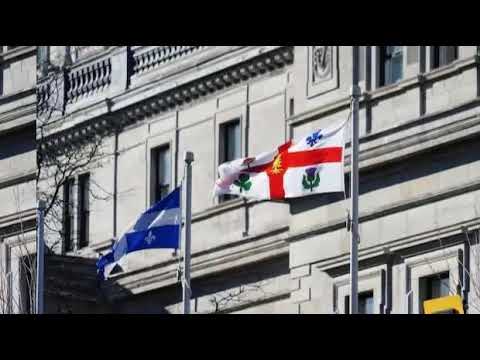
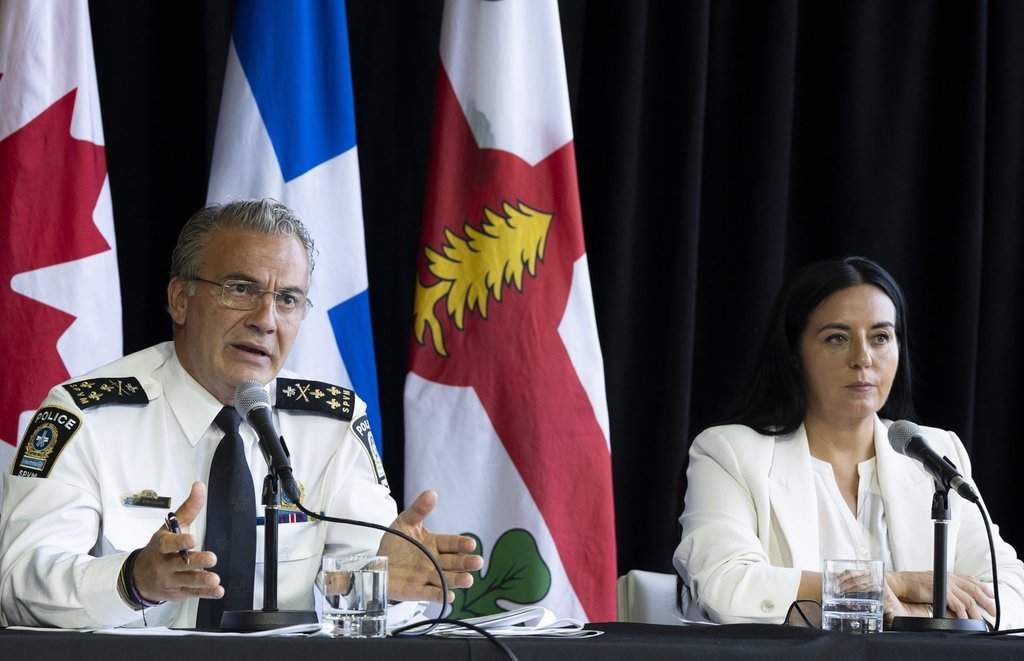
Montreal city council voted Monday to impose fines of up to $1,000 for insulting municipal employees, police included. The bylaw passed 35–25 after opposition leaders argued it was rushed and undefined.

Civil liberties groups say the law criminalizes free speech and will fall on a constitutional challenge. The mayor's office says it must act because reported incidents of abuse toward staff rose 263% between 2019 and 2025.

Why it matters

If the bylaw survives, Montrealers could face hundreds of dollars in fines for words an employee finds offensive.

Questions about this story

Free account needed to ask — your question is kept and asked for you right after sign-up. Answers are public.

0

If the general public cannot voice their concerns directly to the people that they employ to do a specific job, they break down a feedback loop. When you break down a feedback loop like that, your communication is, by definition, broken down and things are going to get bad.

The bylaw doesn't break the feedback loop—it fines insults, not criticism—but its vague wording could chill legitimate complaints, and that's the real risk.

Why it matters: If Montrealers fear fines for harsh criticism, the bylaw could worsen police-community relations and lose in court.

  • The bylaw, passed 35–25 on Sept. 21, fines first offences $350–$1,000 and repeats up to $2,000 for 'intimidation, harassment, threats, insults' or 'offensive, humiliating, abusive' behaviour toward municipal workers.
  • Mayor Soraya Martinez Ferrada insists the right to criticize police, contest an intervention, or disagree 'remains fully protected'—'if you want to flip off a police officer, do it,' she told council.
  • Civil liberties groups say letting SPVM officers decide what is 'offensive' deepens the power imbalance and invites arbitrary, discriminatory enforcement.
  • Citizens can still file complaints against officers through the SPVM's client services or internal affairs—the bylaw doesn't replace those channels.
  • Lawyer Tracey Rutland says Canadian jurisprudence is clear: insulting a police officer is as legal as insulting anyone else, so the bylaw likely fails in court.
Room for disagreement
  • The city frames the bylaw as a necessary response to rising abuse of staff; the CCLA, Ligue des droits et libertés, and the official opposition call it vague, rushed, and a free-speech threat.
  • Legal experts like Rutland predict a court challenge will succeed; the city argues the bylaw is constitutional and will be applied only to the most serious cases.
AI-generated with web search — may be wrong. Check the linked sources.
0

I guess Canadians don't care about freedom of speech.

The 35–25 vote doesn't show Canadians don't care about free speech — the bylaw is under fire from civil-liberties groups and legal experts, who expect it to die in court for breaching the Charter's free-expression guarantee.

Why it matters: This is the latest test of how far a Canadian city can regulate insulting speech before hitting the constitutional right to free expression.

  • Council passed the bylaw narrowly, 35–25; the official opposition called it 'half-baked' and noted there was no public consultation before the vote.
  • Fines run $350–$1,000 for a first offence and up to $2,000 for repeat offences; the bylaw bans 'intimidation, harassment, threats, insults' and 'offensive, humiliating, abusive' behaviour toward municipal staff, including police.
  • Four civil-liberties groups — the CCLA, Ligue des droits et libertés, Hoodstock and the Saint-Michel Legal Clinic — wrote to council demanding a delay and public debate, warning the vague wording invites arbitrary and discriminatory enforcement by SPVM officers.
  • Mayor Soraya Martinez Ferrada insisted residents keep the right to criticize police, saying people can even flip off an officer — but legal experts like Concordia professor Ted Rutland say settled jurisprudence treats insulting an officer as lawful speech, so they expect the bylaw to fall on a Charter challenge.
  • The city points to a 263% jump in reported incidents of aggression toward municipal workers from 2019 to 2025 as the reason for acting.
Room for disagreement
  • The city and police unions argue the bylaw is a necessary tool to protect workers from rising abuse, while civil-liberties groups say vague terms like 'offensive' will chill legitimate criticism and hit marginalized communities hardest.
  • Legal commentators are divided on whether a court will strike it down: some point to settled Supreme Court precedent that insulting police is lawful speech, while others note Quebec's 2024 ruling that upheld a similar restriction on expression as justified.
AI-generated with web search — may be wrong. Check the linked sources.
Key Indicators

263%
Increase in reported incidents, 2019–2025
Reported intimidation, insults and aggression toward municipal staff more than tripled in six years.
$350
Minimum fine for a first offense
First-offense fines run $350–$1,000 and double for repeat offenders, up to $2,000.
35–25
City council vote to adopt the bylaw
Council passed the bylaw with 35 votes in favor and 25 against.

Voices

Curated perspectives — historical figures and your fellow readers.

Ayn Rand

Ayn Rand

(1905-1982) · Cold War · philosophy

Fictional AI pastiche — not real quote.

"A city that fines insults has confessed that its employees hold power by permission, not by right—and that the only speech it fears is the truth about itself. To criminalize a man’s judgment of public servants is to declare that the state owns his mind, and that reason must kneel to the bruised feelings of its hired men."

Ever wondered what historical figures would say about today's headlines?

Sign up to generate historical perspectives on this story.

People Involved

Organizations Involved

Timeline

June 2025 September 2026

6 events Latest: 2 days ago
Tap a bar to jump to that date
  1. Agglomeration council set to vote

    Upcoming Legislation

    The agglomeration council is scheduled to vote on the same bylaw, extending its reach.

  2. Council adopts the anti-insult bylaw

    Latest Legislation

    Montreal city council passes the bylaw 35–25 after a half-hour debate with the opposition.

  3. Civil liberties groups urge delay

    Statement

    CCLA, Ligue des droits et libertés and allies ask council to postpone the vote and consult publicly.

  4. City reveals plan for anti-insult bylaw

    Policy

    Mayor's administration announces it will draft a bylaw barring insults toward municipal staff.

  5. Video shows man insulting police officer

    Incident

    Mohamed Bekkali films himself hurling misogynistic insults at an officer during a traffic stop.

Scenarios

1

Court strikes down Montreal's anti-insult bylaw

Likely Resolves by End of 2028

Discussed by: Canadian Civil Liberties Association, Ligue des droits et libertés, lawyer Tracey Rutland

A charter challenge filed within months argues the bylaw's undefined terms like 'offensive' and 'humiliating' are overbroad and violate freedom of expression. Rutland says Canadian courts have long treated insulting a police officer as legal speech, so the bylaw likely falls. The civil liberties groups expect a Quebec court to agree.

2

Bylaw upheld, Montreal starts issuing fines

Possible Resolves by End of 2028

Discussed by: Mayor Soraya Martinez Ferrada's administration

Courts read the bylaw narrowly as targeting serious threats and harassment rather than casual insults. The SPVM begins issuing infraction tickets, and enforcement stays limited to repeated or severe cases, matching the mayor's promise to apply it sensibly.

3

City narrows the bylaw after backlash

Unlikely Resolves by End of 2027

Discussed by: Opposition leader Marie Plourde; civil liberties groups

Facing a charter challenge and public criticism, the executive committee amends the bylaw by ordinance to define prohibited conduct more precisely, covering only clear threats and harassment. The city trades the broadest provisions for a defensive legal position.

Historical Context

3 moments from history that rhyme with this story — and how they unfolded.

March 1972

Papachristou v. Jacksonville (1972)

The US Supreme Court voided Jacksonville's vagrancy ordinance as unconstitutionally vague. The law was so broad that it effectively let officers arrest people for 'loitering' or being suspicious, with no clear definition of the crime.

Then

Jacksonville lost its main tool for sweeping people off the streets on vague grounds.

Now

The decision anchored the legal doctrine that criminal laws must clearly define what conduct is prohibited.

Why this matters now

The Montreal bylaw bans conduct that is 'offensive' or 'humiliating' without defining either. Opponents argue that invites the vagueness problem courts have struck down before.

June 1987

Houston v. Hill (1987)

The United States Supreme Court struck down a Houston ordinance that criminalized 'opposing, molesting, abusing or interrupting' a police officer. The Court ruled the law was overbroad because it punished speech that merely criticized officers.

Then

Houston could no longer prosecute people for verbally challenging police.

Now

The case became the leading precedent protecting speech directed at police officers from prosecution.

Why this matters now

US courts rejected the exact model Montreal just adopted. Civil liberties groups say the same overbreadth logic applies to the Canadian bylaw's undefined terms.

19th century to present

France's outrage à agent offense

France has long criminally penalized 'outrage à agent' — insults or threats toward police and other public officials — with fines and even jail time. A citizen who insults an officer in France commits a specific offense.

Then

Verbal attacks on French police are prosecuted as a distinct crime.

Now

French law treats protecting officers from insult as a legitimate public interest, the opposite of the Canadian and American approach.

Why this matters now

Shows the alternative model Montreal could have copied: instead of a civil bylaw, a jurisdiction that flatly criminalizes insulting police. Canadian courts have rejected that framing.

Sources

(8)