
Pull to refresh
Logo
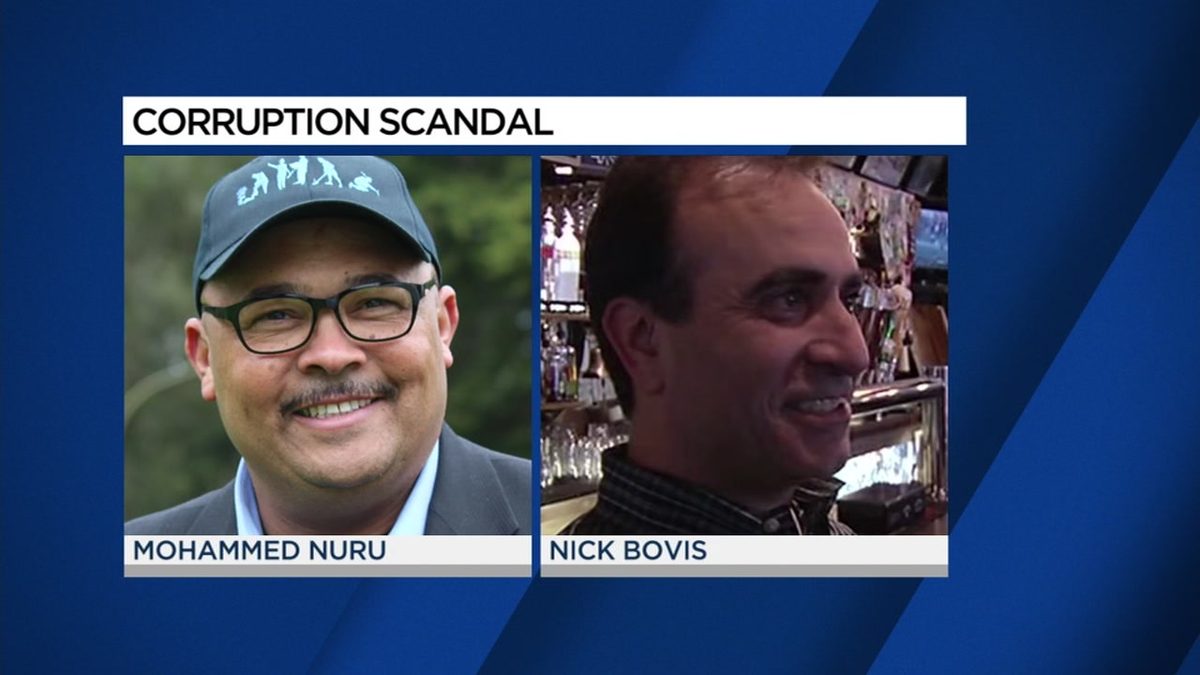
The Office SF Built to Stop the Next Mohammed Nuru Just Got Smaller

The Office SF Built to Stop the Next Mohammed Nuru Just Got Smaller

Rule Changes San Francisco, CA local

Lurie's budget cuts shrink the integrity unit created after the Public Works scandal — and the deficits aren't letting up.

Yesterday: SF Standard Reports Cuts to Integrity Office

Overview

Updated Yesterday

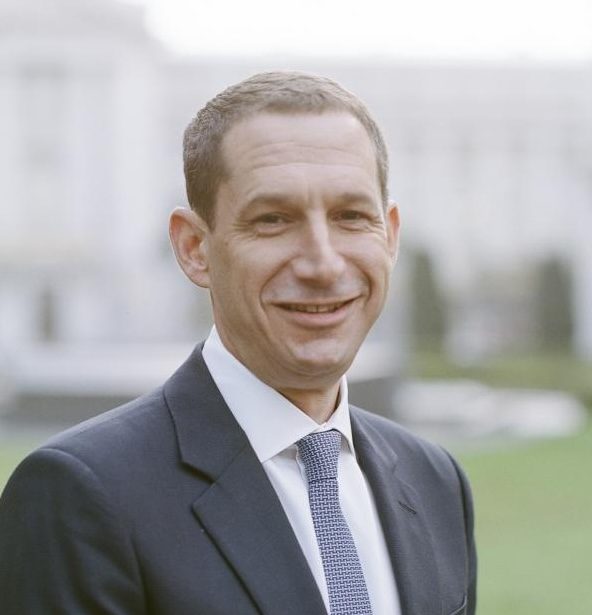
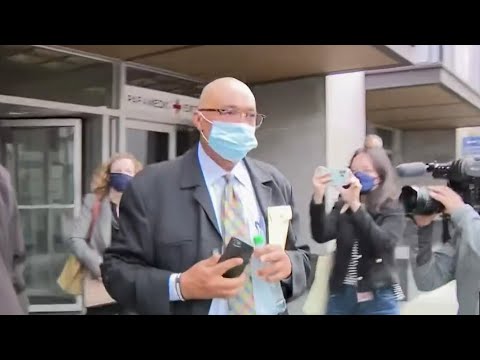
Six years after FBI agents arrested San Francisco's Public Works chief Mohammed Nuru, the office the city built to prevent the next one just got smaller. Mayor Daniel Lurie's budget cuts reduced staff and funding at the DPW integrity unit, which reviews contracts for corruption red flags. The San Francisco Standard reported the shrink in its Power Play newsletter.

The cuts are a test of the city's reform era. Lurie, elected on a promise to revive downtown and shrink bureaucracy, is balancing a severe budget gap against the watchdog that helped expose how broken things were. The question is how much oversight survives once the scandal's headlines fade.

Why it matters

The office San Francisco created to stop the next Mohammed Nuru just got its budget cut — fewer auditors watching city contracts.

Questions about this story

Free account needed to ask — your question is kept and asked for you right after sign-up. Answers are public.

No questions yet — be the first to ask.

Key Indicators

$40.5M
Revenue SF passed up on the JCDecaux toilet contract
Advertising company kept most of the revenue instead of sharing it with the city.
7 yrs
Nuru's reported federal prison sentence
Sentenced after pleading guilty to wire fraud in the contracting corruption case.
2020
Year FBI arrested Nuru, triggering reform push
January arrest followed a long-running undercover probe into bribes and contractor favors.

Voices

Curated perspectives — historical figures and your fellow readers.

Ever wondered what historical figures would say about today's headlines?

Sign up to generate historical perspectives on this story.

People Involved

Organizations Involved

Timeline

January 2020 September 2026

7 events Latest: Yesterday
Tap a bar to jump to that date
  1. SF Standard Reports Cuts to Integrity Office

    Latest News

    Power Play newsletter reveals DPW oversight unit lost staff and funding in Lurie's budget.

  2. Lurie Takes Office, Begins Budget Review

    Policy

    New mayor launches review of city spending to address large deficits.

  3. Daniel Lurie Elected Mayor

    Election

    Lurie defeats incumbent London Breed on a reform platform.

  4. Integrity Office Created

    Policy

    City establishes dedicated oversight unit to audit DPW contracts and conflicts of interest.

Scenarios

1

Lurie's FY2027-28 Budget Cuts DPW Watchdog Further

Likely Resolves by Q2 2027

Discussed by: SF Standard's Power Play newsletter; city budget watchdog groups

The city's deficit persists into the next fiscal year. Lurie's proposed budget trims the integrity office again, reducing it to a skeleton team that mostly handles complaints rather than proactive audits. Contract review shifts to the city attorney's office, which lacks the department-specific expertise.

2

New Contract Corruption Case Emerges

Unlikely Resolves by Sep 17, 2028

Discussed by: Not currently predicted in print; identified as a risk in this analysis

With fewer watchdogs, a contractor or DPW staffer takes the chance and gets caught. Federal prosecutors, who built experience in the Nuru case, file new charges. The scandal reignites public pressure and forces the city to reinvest in oversight.

3

Board of Supervisors Blocks Further Cuts

Possible Resolves by Q2 2027

Discussed by: SF supervisor offices; government-reform advocacy groups

Supervisors reviewed Lurie's budget proposal and add a supplemental appropriation to restore integrity office staff. The move stalls the cuts, keeping the watchdog at roughly its current size. The board cites the cost of the Nuru scandal versus the price of prevention.

Historical Context

2 moments from history that rhyme with this story — and how they unfolded.

1998–2013

LAPD Rampart Scandal and Consent Decree (1998–2001)

Rampart CRASH officer Rafael Pérez planted evidence and framed suspects; the fallout implicated 70 or more officers. In 2001, the city entered a federal consent decree mandating sweeping police reforms, including an inspector general and stricter disciplinary procedures.

Then

LAPD created an inspector general, a disciplinary matrix, and a computerized tracking system for officer conduct.

Now

The federal judge lifted the consent decree in 2013. Critics said some practices—like underreporting use of force—crept back once the external pressure was gone.

Why this matters now

Shows how institutional fixes born in crisis can lose force once the court or the scandal recedes — the same risk SF's integrity office now faces as budget pressures mount.

July 2010–2016

City of Bell, California Corruption Scandal (2010)

The L.A. Times revealed Bell's city manager Robert Rizzo earned $800K a year and the police chief $457K — salaries that dwarfed those of officials in cities 100 times larger. The district attorney charged six officials; Rizzo later pleaded guilty to corruption charges.

Then

Rizzo and four others pleaded guilty; Bell raised property taxes by 43% to cover its financial hole.

Now

California passed salary-disclosure rules for local agencies, but the underlying governance problems in small cities continued and public scrutiny faded.

Why this matters now

Mirrors SF's pattern: a scandal produces reform legislation or new oversight bodies, then attention fades and the structural safeguards erode as new political priorities take over.

Sources

(4)