
Pull to refresh
Logo
One-third of US states pass housing reforms in 2026

One-third of US states pass housing reforms in 2026

Rule Changes

State legislatures rewrote backyard-home, parking and apartment rules, shifting control away from city zoning boards

Overview

Updated 1 hour ago

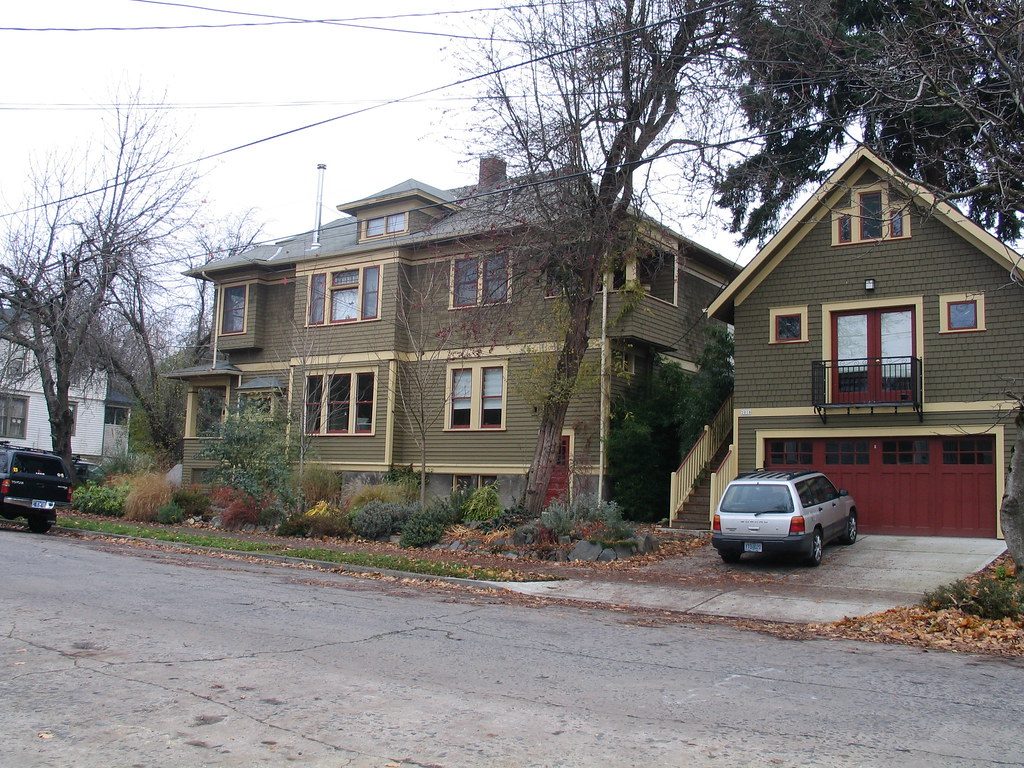
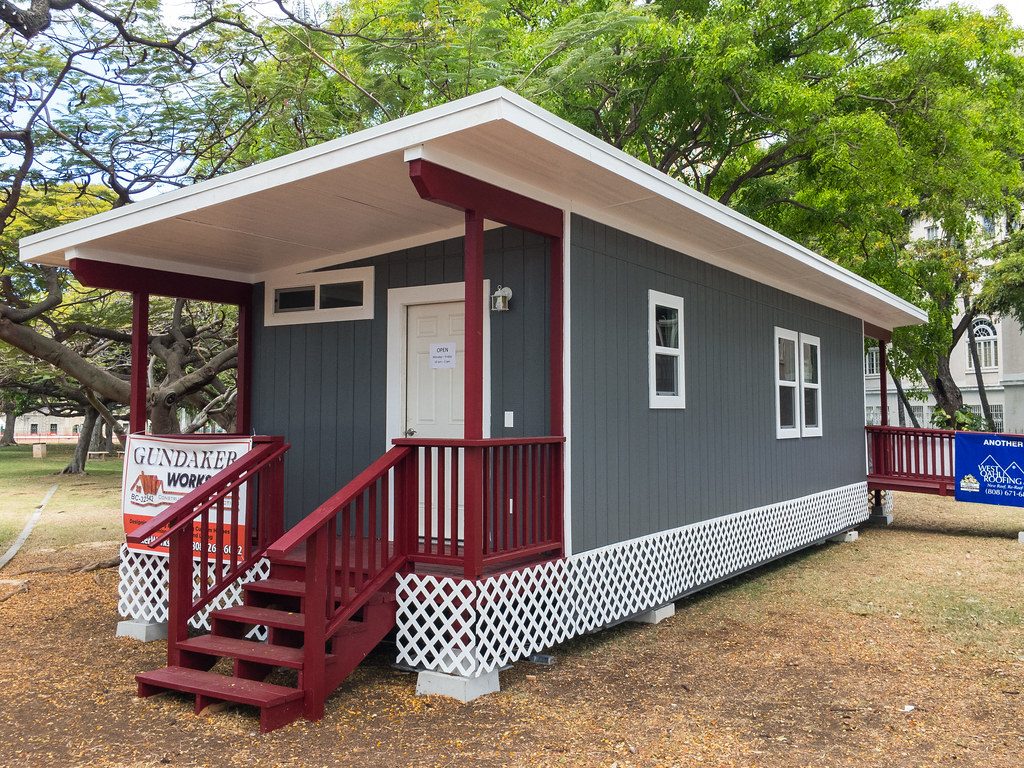
Twenty-two US states now let a homeowner build a small second house in the backyard without a special permit. Four states passed such laws in 2026, and three more loosened rules they already had.

Those backyard-home laws are the most common piece of a wider legislative season. Pew Charitable Trusts counts about one-third of states passing significant housing changes in 2026, covering parking minimums, taller apartment buildings near transit, and smaller lots for starter homes.

Why it matters

State legislatures are overriding city zoning rules, changing what can be built on millions of residential lots.

Questions about this story

Free account needed to ask — your question is kept and asked for you right after sign-up. Answers are public.

No questions yet — be the first to ask.

Key Indicators

About one-third
Share of states passing significant housing reforms in 2026
Pew's count spans states from North Carolina to Idaho and from New York to Kansas.
22
States with laws specifically allowing accessory dwelling units
Four states passed new ADU laws in 2026; three others strengthened existing ones.
5
States passing laws to let faith groups or nonprofits build housing on their own land
Colorado, Florida, Kentucky, Rhode Island and Virginia acted in 2026.
103,000
Estimated homes per year from ten state bills passed in 2026
Estimate from the American Enterprise Institute's state legislative tracker.
38
States that enacted housing reforms between 2017 and 2024
NYU Furman Center review of the years before the 2026 wave.

Voices

Curated perspectives — historical figures and your fellow readers.

Sign up to generate historical perspectives on this story.

Organizations Involved

Timeline

2026 November 2026

7 events Latest: 3 days ago
Tap a bar to jump to that date
  1. Human Progress summarizes the reform wave

    Latest Publication

    Human Progress reports the one-third figure and the spread of ADU, starter-home and nonprofit-land laws.

  2. Pew publishes its 50-state tally

    Research

    Analysis finds about one-third of states passed significant housing policy reforms in 2026.

  3. Federal housing law takes effect

    Federal legislation

    The Century ROAD to Housing Act becomes law, with more than 50 provisions aimed at raising housing production.

  4. North Carolina ends parking mandates statewide

    State legislation

    H. 162 removes off-street parking requirements in most of the state, for commercial as well as residential development.

  5. Idaho and Kansas shrink minimum lot sizes

    State legislation

    Idaho's S. 1352 allows lots as small as 1,500 square feet; Kansas S.B. 418 permits homes up to 2,500 square feet on 3,000-square-foot lots.

  6. Washington and California allow taller housing near transit and commerce

    State legislation

    Washington S.B. 6026 requires mid-rise apartments in commercial zones; California A.B. 2074 designates tall-building districts around major transit hubs.

  7. Five states let churches and nonprofits build on their own land

    State legislation

    Colorado, Florida, Kentucky, Rhode Island and Virginia passed laws easing zoning limits on housing built on nonprofit-owned property.

Scenarios

1

More states pass backyard-home laws in 2027

Likely Resolves by End of 2027

Discussed by: Pew Charitable Trusts, which reports ADUs are the most common target of state housing legislation

Twenty-two states had ADU laws after 2026. The bills that passed were near-identical in structure: a by-right right to build, with caps on local parking and occupancy rules. If the pattern holds, states without such a law become the obvious next targets for the same advocacy coalitions.

2

Permitting rises in the states that changed their rules

Uncertain Resolves by End of 2028

Discussed by: AEI Housing Center, which projects 103,000 homes a year from ten enacted bills

The AEI estimate is a projection, not an outcome. Whether the laws produce homes depends on construction costs, interest rates and whether builders use the new allowances. Permit data over the next two years is the first place the difference would show.

3

A state reverses its 2026 housing law

Possible Resolves by End of 2028

Discussed by: Local-government groups and state legislators who opposed preemption of city zoning authority

The laws take zoning decisions from city councils. Cities that object can lobby for repeal, and a new legislature can undo what the previous one passed. No reversal has been reported in the cited record.

Historical Context

2 moments from history that rhyme with this story — and how they unfolded.

November 1926

Village of Euclid v. Ambler Realty (1926)

The US Supreme Court upheld a Cleveland suburb's zoning ordinance that separated residential from industrial land, rejecting a property owner's claim that it destroyed his land's value.

Then

The ruling made comprehensive municipal zoning constitutionally permissible.

Now

For the next century, the rules governing what could be built on a residential lot were set mostly by city and county boards, not by state legislatures.

Why this matters now

The 2026 state laws override exactly that local authority, setting statewide rules for backyard homes, parking spaces and lot sizes.

2017-2024

The first state reform wave (2017-2024)

An NYU Furman Center review found 38 states had enacted housing reforms over those eight years, with California, Oregon and Rhode Island among the most active.

Then

Reforms concentrated in a handful of states and covered a narrow set of rules.

Now

The laws built a template that later legislatures could copy, and created a record of which mechanisms survived legal challenge.

Why this matters now

The 2026 batch is broader, with about one-third of states acting in a single year on a common set of policies rather than a few states experimenting alone.

Sources

(8)