

Pull to refresh
Logo
Daily Brief
Following
Why Ranks Sign Up
Moderna's mRNA flu vaccine clears Phase 3 with superior efficacy

Moderna's mRNA flu vaccine clears Phase 3 with superior efficacy

New Capabilities

Phase 3 data sends Moderna stock up 16%; EU clears flu-COVID combo as August 2026 FDA decision looms

August 5th, 2026: FDA decision deadline

Overview

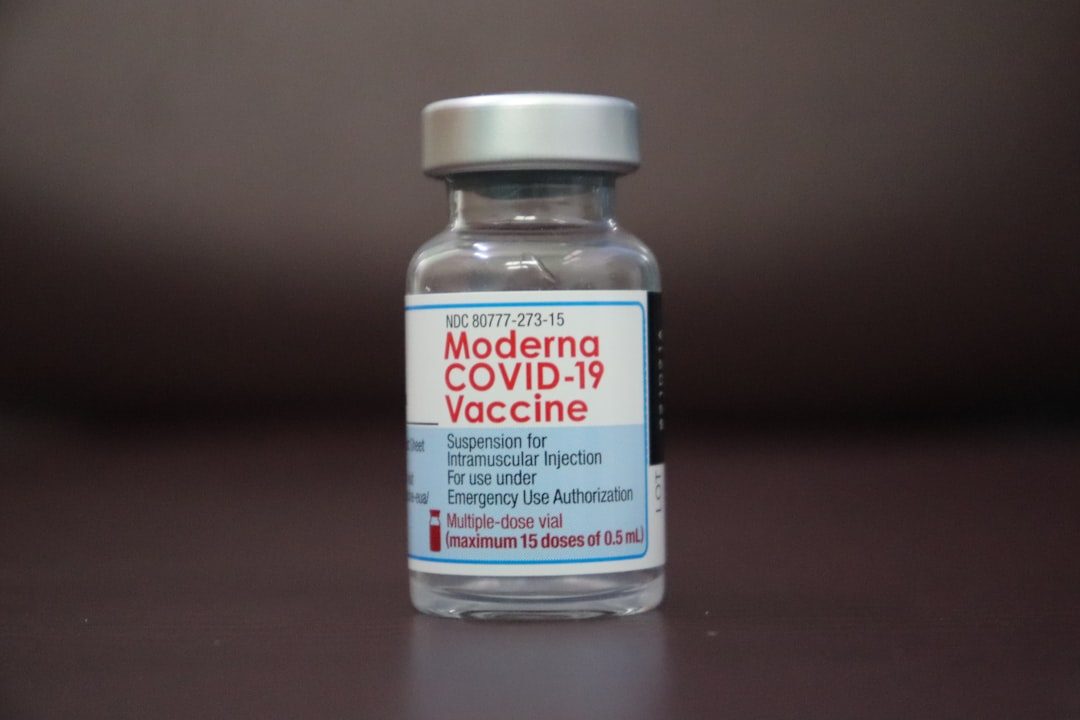
For 80 years, flu vaccines grew in chicken eggs — a process effective against roughly 40% of infections in good years. On May 8, the New England Journal of Medicine published Moderna's Phase 3 data: mRNA-1010 reduced influenza illness by 26.6% more than a standard shot in 40,805 adults aged 50 and older. Moderna's stock rose 16% that day.

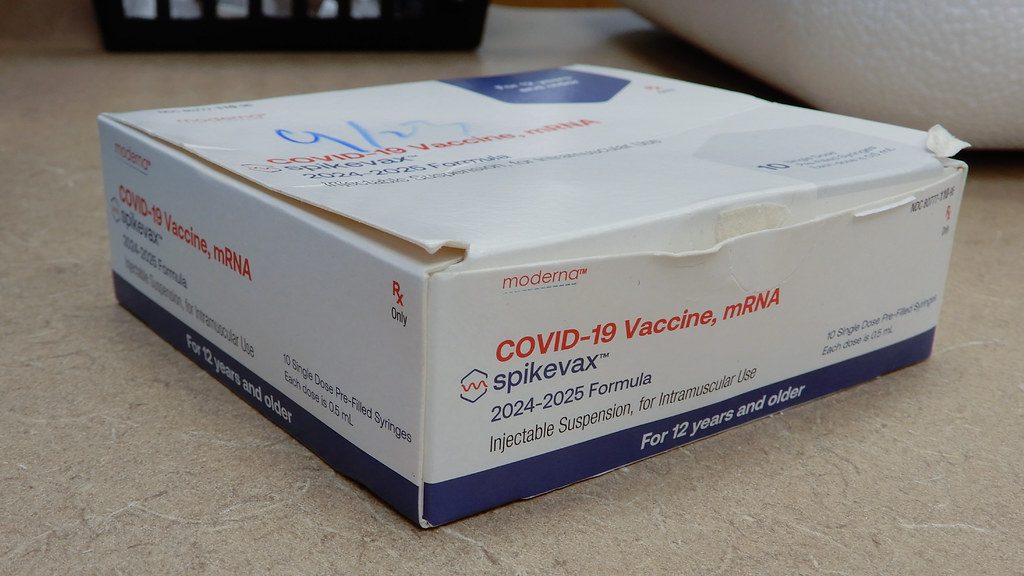
The standalone flu shot awaits FDA approval by August 5. Moderna's combination flu-and-COVID vaccine, mCOMBRIAX, got EU marketing authorization in April — the first single vaccine cleared anywhere against both diseases. The US hasn't approved either product.

Why it matters

If approved, an mRNA flu shot could cut hospitalizations among the 65-and-older group that suffers 70-85% of US flu deaths each year.

Play on this story Voices Debate Predict

Key Indicators

26.6%
Relative efficacy advantage
How much better mRNA-1010 performed than a licensed standard-dose flu shot in the trial.
40,805
Trial participants
Adults aged 50 and older across 11 countries, randomized between mRNA-1010 and a standard comparator.
Aug 5, 2026
FDA decision date
The PDUFA target by which the FDA must rule on Moderna's application.
45,000
US flu deaths in 2024-25
CDC estimate for the most recent season — a 15-year high in hospitalizations.
65.8%
Injection-site pain rate
Share of mRNA-1010 recipients reporting sore arms, versus 29.8% for the standard shot.

Interactive

Exploring all sides of a story is often best achieved with Play.

Ever wondered what historical figures would say about today's headlines?

Sign up to generate historical perspectives on this story.

People Involved

Organizations Involved

Timeline

  1. FDA decision deadline

    Regulatory

    PDUFA goal date by which the FDA must rule on Moderna's application.

  2. Moderna stock up 16%; analysts raise price targets

    Market

    Following the May 8 NEJM publication, Moderna shares closed 16% higher. Evercore ISI raised its price target to $50 from $35, Goldman Sachs raised its to $49 from $43, and Piper Sandler initiated coverage with a Buy rating.

  3. Phase 3 efficacy data published in NEJM

    Publication

    The 40,805-person P304 trial shows mRNA-1010 cut influenza cases by 26.6% relative to a standard-dose vaccine, with consistent benefit across H1N1, H3N2, and B/Victoria strains.

  4. Moderna posts Q1 2026 earnings of $389 million

    Financial

    Moderna reported first-quarter revenue of $389 million, about 80% from international markets. Net loss of approximately $1.3 billion included a $900 million litigation settlement charge. Management reiterated guidance of up to 10% revenue growth for 2026.

  5. EU approves Moderna's flu-COVID combination vaccine

    Regulatory

    The European Commission granted marketing authorization for mCOMBRIAX, Moderna's mRNA vaccine against both seasonal influenza and COVID-19. It is the first single vaccine approved anywhere against both diseases, indicated for adults 50 and older.

  6. ESCMID data: repeat mRNA-1010 vaccination shows no new safety signals

    Clinical Trial

    Moderna presented a post-hoc analysis at ESCMID Global 2026 in Munich showing sequential mRNA-1010 vaccination produced similar antibody responses regardless of prior flu vaccine type. No new safety concerns were observed with repeat dosing.

  7. FDA reverses the refusal

    Regulatory

    After a Type A meeting with Moderna, FDA accepts the mRNA-1010 application for substantive review and sets the PDUFA date.

  8. FDA refuses to file the application

    Regulatory

    CBER rejects Moderna's submission on grounds that the comparator should have been a high-dose, not standard-dose, flu vaccine.

  9. Reformulated vaccine hits all endpoints

    Clinical Trial

    P303 trial of an optimized composition shows higher antibody titers than a standard-dose comparator across all strains.

  10. First Phase 3 results from Southern Hemisphere

    Clinical Trial

    P301 trial in 6,102 adults across five countries meets immunogenicity endpoints for A strains but misses some B-strain criteria.

  11. Phase 1 interim data released

    Clinical Trial

    Moderna reports the vaccine produces antibody responses across all four influenza strains tested.

  12. First mRNA-1010 dose given in Phase 1

    Clinical Trial

    Moderna begins testing mRNA-1010 in healthy adults at doses ranging from 6.25 to 200 micrograms.

Scenarios

Predict which scenario wins. Contrarian picks score more — points lock in when the scenario resolves.

Log in to predict. Track your picks, climb the leaderboard. Log in Sign Up
1

FDA approves mRNA-1010 for the 2026-27 flu season

FDA clears mRNA-1010 on or near August 5 for adults 50 and older. Moderna ships in time for fall vaccination drives. Insurers cover it at parity with other flu shots after ACIP recommends inclusion. First-season revenue is modest because Moderna lacks Sanofi's pharmacy distribution muscle, but mRNA-1010 establishes a beachhead in the $8 billion global flu market.

Discussed by: Moderna investor relations; analysts at Jefferies and Leerink
Consensus
2

FDA approval, ACIP refuses to recommend

FDA clears the vaccine on the clinical record, but the Advisory Committee on Immunization Practices — now stacked with members appointed under HHS Secretary Kennedy — declines to add mRNA-1010 to the recommended schedule. Without ACIP recommendation, federal Vaccines for Children coverage and most state mandates do not apply. Commercial uptake stays small.

Discussed by: STAT News, CIDRAP, vaccine policy analysts at KFF
Consensus
3

FDA delays decision past PDUFA date

FDA issues a Complete Response Letter or extends the review, citing the comparator-choice issue that drove the original refusal. Moderna misses the 2026-27 season entirely. The company has to either run a new head-to-head trial against Fluzone High-Dose — adding two years and several hundred million dollars — or fight the decision in court.

Discussed by: Fierce Pharma, Endpoints News
Consensus
4

Combination shot leapfrogs the standalone

Moderna's mRNA-1083 COVID-flu combination clears its own regulatory path and arrives in market before standalone mRNA-1010 gains traction. The combination becomes the company's primary flu product, and mRNA-1010 functions mostly as a platform validator rather than a major revenue driver.

Discussed by: Pharmaphorum, Reuters health analysts
Consensus

Historical Context

Fluzone High-Dose approval (2009)

December 2009

What Happened

Sanofi's high-dose flu vaccine became the first product approved for outperforming standard flu shots in older adults. A 2014 NEJM trial in 31,989 people aged 65+ found 24% better protection than the standard shot. The vaccine carried four times the antigen.

Outcome

Short Term

Adoption in adults 65 and older grew steadily, supported by ACIP's eventual preferential recommendation in 2022.

Long Term

High-dose became the de facto standard of care for older adults and now drives most of Sanofi's $3 billion-plus flu vaccine revenue.

Why It's Relevant Today

Fluzone High-Dose is the comparator FDA initially demanded Moderna use instead of standard-dose. Its commercial dominance also defines the market mRNA-1010 must crack.

COVID-19 mRNA vaccine authorization (2020)

December 2020

What Happened

FDA granted emergency use authorization to mRNA vaccines from Pfizer-BioNTech and Moderna within eleven months of the SARS-CoV-2 genome being published. The vaccines were the first mRNA products ever approved for human use. Phase 3 trials enrolled roughly 30,000 to 44,000 people each.

Outcome

Short Term

More than 670 million doses administered in the US; mRNA technology validated at scale.

Long Term

Moderna and Pfizer pivoted from one-product COVID businesses to building broader mRNA pipelines for flu, RSV, cancer, and rare disease.

Why It's Relevant Today

mRNA-1010 is the test of whether the platform works for non-pandemic, seasonal use. A flu approval would be the first step from emergency tool to routine medicine.

Cell-based flu vaccine transition (2012)

November 2012

What Happened

FDA approved Flucelvax, the first US flu vaccine grown in animal cells rather than chicken eggs. The technology avoided the egg-adaptation mutations that can reduce match between vaccine and circulating strains. Production was also faster — useful when strains shift late in the season.

Outcome

Short Term

Slow uptake against entrenched egg-based supply chains.

Long Term

Cell-based now accounts for a meaningful but minority share of US flu vaccine supply; egg-based remains dominant.

Why It's Relevant Today

Shows how hard it is to displace an 80-year-old manufacturing platform even with a clear technical advantage. mRNA-1010 faces the same incumbency problem.

Sources

(15)