



Pull to refresh
Logo
Mushroom killer loses appeal; Australian court orders life without parole

Mushroom killer loses appeal; Australian court orders life without parole

Rule Changes

Victoria's Court of Appeal upholds triple-murder conviction and strips parole eligibility

Overview

Updated 1 hour ago

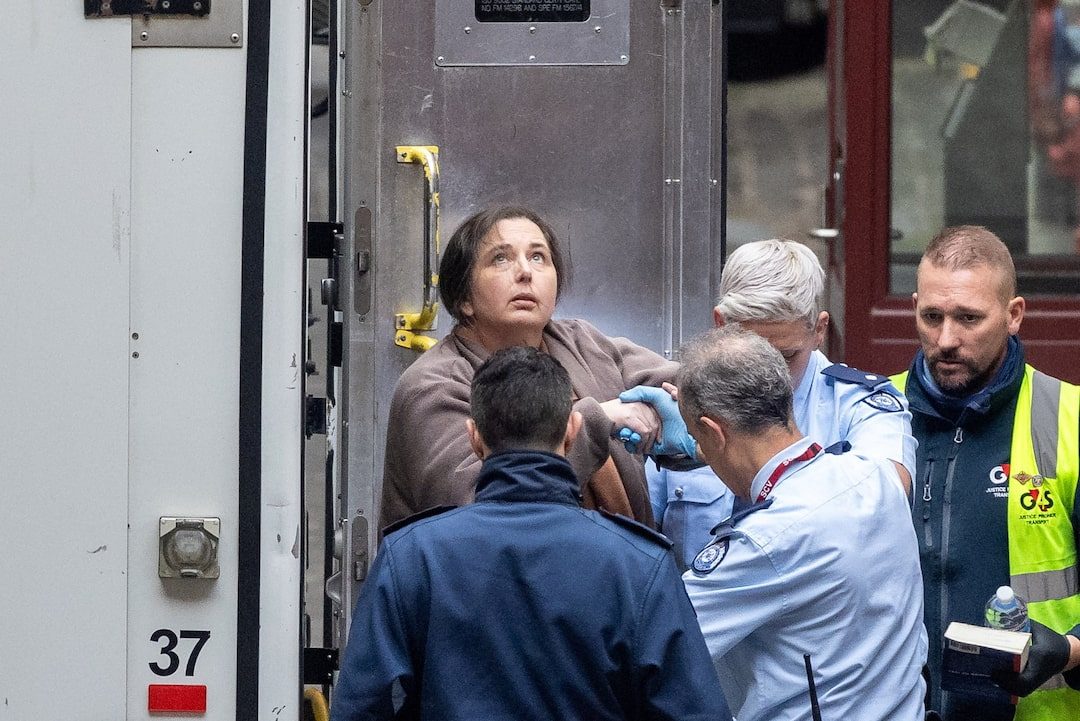
Erin Patterson served beef Wellington laced with death cap mushrooms to four relatives in July 2023; three died. On October 30, 2026, Victoria's Court of Appeal upheld her murder convictions and resentenced her to life without parole.

Patterson had been eligible for parole after 33 years. The appeal court agreed with prosecutors that the sentence was too lenient and removed the parole option. She joins a small group of Australian offenders who will die in prison unless a higher court intervenes.

Why it matters

Patterson becomes one of very few Australian women sentenced to life without parole. Only the High Court can change that.

Questions about this story

Free account needed to ask — your question is kept and asked for you right after sign-up. Answers are public.

No questions yet — be the first to ask.

Key Indicators

3
Murder convictions upheld
Patterson remains convicted of killing Don Patterson, Gail Patterson and Heather Wilkinson.
7
Appeal grounds rejected
A three-judge panel dismissed every argument in Patterson's conviction appeal.
33 years
Parole eligibility removed
The Court of Appeal revoked the non-parole period that would have allowed parole.
28
Days to seek High Court leave
Patterson has 28 days from the ruling to file for special leave to appeal.

Voices

Curated perspectives — historical figures and your fellow readers.

Sign up to generate historical perspectives on this story.

People Involved

Organizations Involved

Timeline

July 2023 October 2026

6 events Latest: Today
Tap a bar to jump to that date
  1. Three relatives die

    Incident

    Don Patterson, Gail Patterson and Heather Wilkinson die in hospital; Ian Wilkinson survives.

  2. Patterson serves toxic lunch

    Incident

    Four relatives eat beef Wellington laced with death cap mushrooms at Patterson's Leongatha home.

Scenarios

1

High Court declines to hear Patterson's case

Likely Resolves by Q2 2027

Discussed by: Melbourne criminal defence lawyer Lauren Cassimatis told ABC NewsRadio she expects an appeal to the High Court; legal observers note special leave is rarely granted.

Patterson must file for special leave within 28 days. The High Court grants it only in cases with important legal questions or serious error. Unless she identifies one, the life-without-parole sentence stands.

2

High Court grants leave and reopens the case

Unlikely Resolves by End of 2027

Discussed by: A minority view; the High Court grants special leave in a small fraction of applications.

A grant of leave would lead to a full High Court hearing on whether her trial was unfair. Overturning the convictions would require the court to find serious trial error, a high bar the Court of Appeal just cleared.

3

Patterson drops the appeal

Possible Resolves by Nov 30, 2026

Discussed by: Possible given the unanimous dismissal of all seven grounds.

Patterson's legal team could decide not to pursue the High Court. That would end the case and leave the life-without-parole sentence in place.

Historical Context

2 moments from history that rhyme with this story — and how they unfolded.

2001

Katherine Knight: first Australian woman with life without parole (2001)

Katherine Knight murdered her partner in rural New South Wales in 2000. In 2001 a court sentenced her to life without parole, the first time an Australian woman had received that sentence.

Then

Knight has remained in prison since; her 2006 appeal against the sentence was dismissed.

Now

Her case established that Australian courts will impose life without parole on women in exceptional cases.

Why this matters now

Patterson is one of the few Australian women to receive the same sentence, placing her in an extremely small group.

2003–2023

Kathleen Folbigg: conviction overturned after 20 years (2003–2023)

Kathleen Folbigg was convicted in 2003 of killing her four children. Later genetic evidence showed her daughters carried a rare cardiac mutation that could explain their deaths; she was pardoned and released in 2023.

Then

Folbigg's convictions were quashed and she was freed after two decades.

Now

Her case showed Australian courts can revisit convictions when genuinely new evidence emerges.

Why this matters now

Patterson's High Court route would need new evidence or proven trial error. Folbigg's case shows the path exists, but it took new science to open it.

Sources

(7)