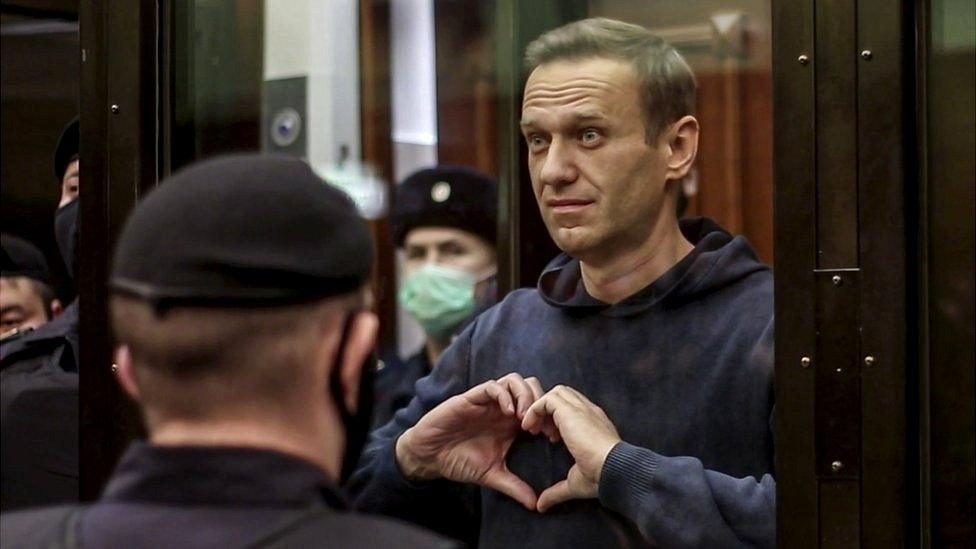
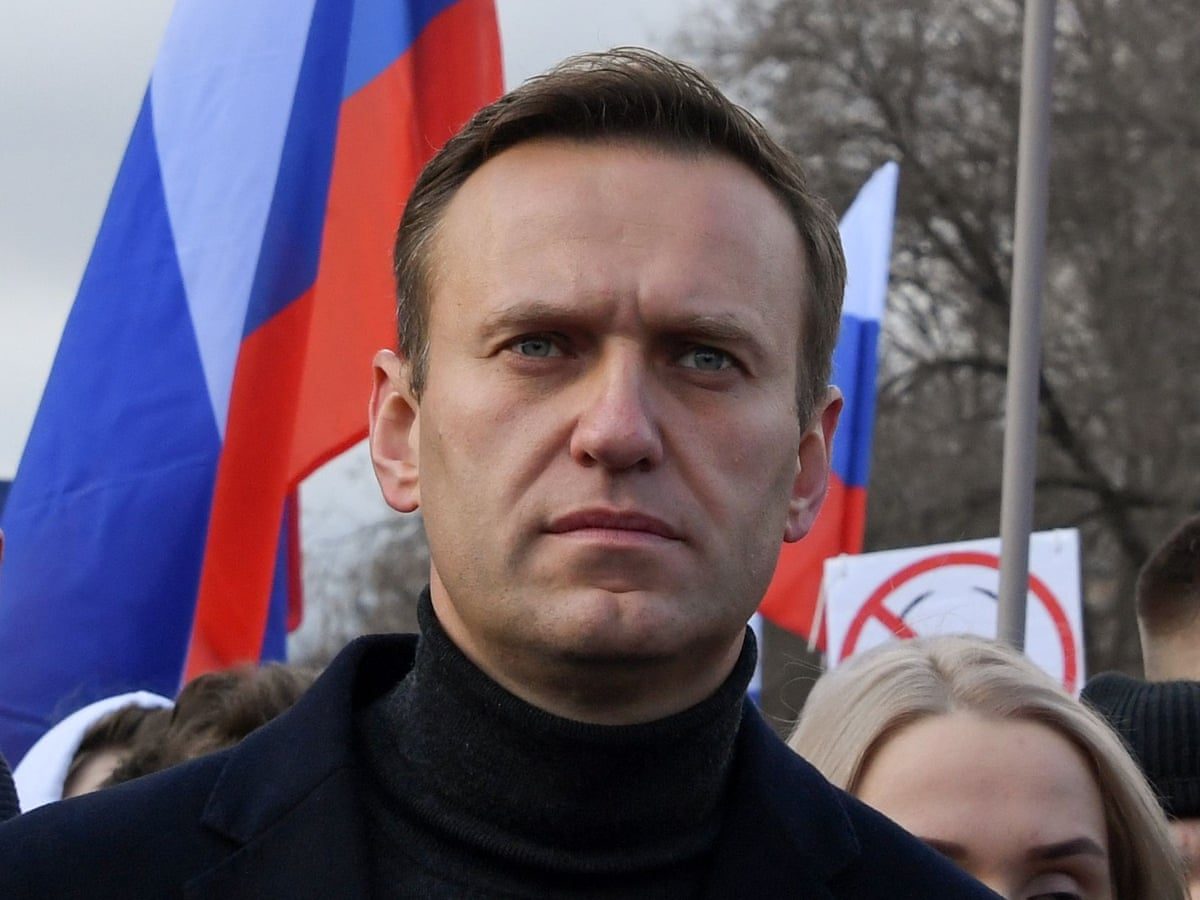
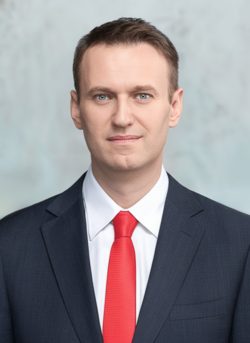
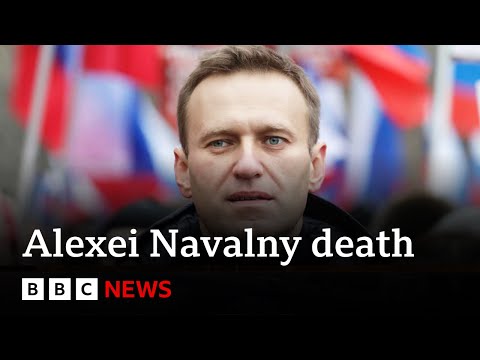
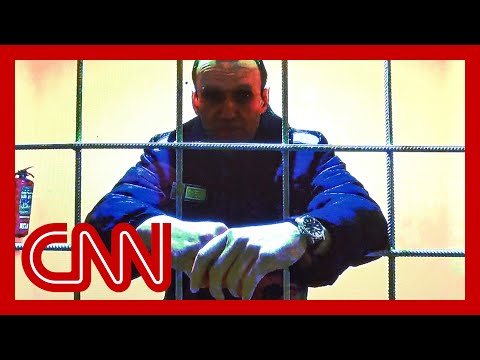
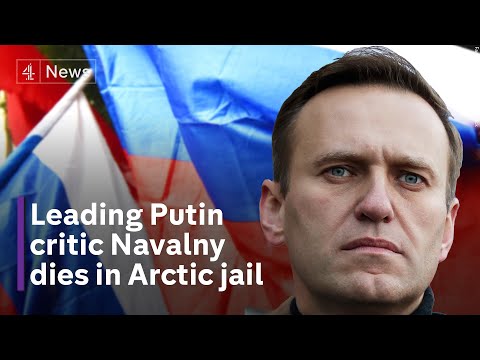
Alexei Navalny survived one poisoning attempt with a military-grade nerve agent in August 2020. He did not survive the second. On the two-year anniversary of his death in an Arctic prison, five European nations announced laboratory confirmation that Russian authorities killed him with epibatidine, a toxin from South American poison dart frogs.
The toxin is not found naturally in Russia. The United Kingdom, France, Germany, Sweden, and the Netherlands reported Russia to the Organisation for the Prohibition of Chemical Weapons for violating the Chemical Weapons Convention and the Biological and Toxin Weapons Convention. The announcement at the Munich Security Conference on February 14, 2026 was backed by forensic evidence from tissue samples covertly obtained and smuggled from Russia.
The Kremlin rejected the findings as 'biased and baseless' on February 17, while Yulia Navalnaya declared that 'Putin killed Alexei with chemical weapon' and called for accountability. U.S. Secretary of State Marco Rubio acknowledged the European analysis as credible. The investigation sets the stage for potential OPCW action and additional international sanctions.
Questions about this story
Free account needed to ask — your question is kept and asked for you right after sign-up. Answers are public.
No questions yet — be the first to ask.
Key Indicators
2
Poisoning Attempts
Russian state agents poisoned Navalny with Novichok in 2020 and epibatidine in 2024
5
Nations Confirming
UK, France, Germany, Sweden, and Netherlands independently verified the findings
500+
Sanctions Imposed
US and EU sanctions on Russian officials and entities following Navalny's death
19 years
Prison Sentence
The term Navalny was serving on extremism charges when he died
Images from Openverse under Creative Commons licenses.
Videos from YouTube.
Voices
Curated perspectives — historical figures and your fellow readers.
Dorothy Parker
(1893-1967) ·Jazz Age · wit
Fictional AI pastiche — not real quote.
"They say lightning never strikes twice in the same place, but apparently poison does—provided you have the Kremlin's resources and a government that treats international treaties like yesterday's cocktail napkins. One almost admires the creativity of importing South American frog toxin to finish what Russian nerve agent started, though I suppose when you're already wanted for one chemical weapons violation, what's another among friends?"
0% found this insightful
Ever wondered what historical figures would say about today's headlines?
Sign up to generate historical perspectives on this story.
16 events
Latest: February 17th, 2026 · 8 months ago
Showing 8 of 16
JK to step
Tap a bar to jump to that date
Jump to
February 2026
Kremlin Rejects Poisoning Findings as 'Biased and Baseless'
LatestOfficial Response
Russian government rejected the five-nation attribution, calling the accusations 'biased and baseless' and denying involvement in Navalny's death.
Five Nations Confirm Russia Killed Navalny with Dart Frog Toxin
Attribution
The UK, France, Germany, Sweden, and Netherlands announced that laboratory analysis confirmed Navalny was poisoned with epibatidine, a toxin from South American poison dart frogs not found naturally in Russia.
Yulia Navalnaya Demands Putin Accountability at Munich Security Conference
Public Statement
Navalny's widow issued statement: 'Putin killed Alexei with chemical weapon. Vladimir Putin is a murderer. He must be held accountable for all his crimes.' She expressed gratitude to European states for their two-year investigation.
U.S. Secretary of State Rubio Acknowledges European Findings
International Response
U.S. Secretary of State Marco Rubio called the European findings 'troubling' and stated the U.S. has 'no reason to question' the analysis, marking official U.S. acceptance of the attribution.
September 2025
Navalnaya Reveals Lab Tests Show Husband Was Poisoned
Investigation
Yulia Navalnaya announced that tissue samples smuggled from Russia and analyzed by Western laboratories confirmed her husband was poisoned before his death.
March 2024
EU Sanctions 33 Officials Over Navalny's Death
International Response
The European Union imposed sanctions on 33 individuals and two entities linked to Navalny's death under its Global Human Rights Sanctions Regime.
Thousands of mourners gathered in Moscow for Navalny's burial, chanting 'Russia without Putin' as Western ambassadors attended despite heavy security.
February 2024
US Announces 500+ Sanctions on Russia
International Response
President Biden announced over 500 new sanctions on Russia in response to Navalny's death and the Ukraine war, targeting officials connected to his imprisonment.
Navalny Dies in Arctic Prison
Death
Russian authorities announced Navalny died after collapsing following a walk, citing 'sudden death syndrome.' His body reportedly showed signs of bruising.
December 2023
Navalny Transferred to Arctic 'Polar Wolf' Prison
Imprisonment
After a 20-day secret transfer, Navalny arrived at IK-3 in Kharp, one of Russia's harshest and most remote penal colonies north of the Arctic Circle.
August 2023
Navalny Sentenced to 19 Years on Extremism Charges
Legal
A Russian court sentenced Navalny to 19 additional years on extremism charges, adding to his existing sentence and ensuring he would remain imprisoned indefinitely.
February 2021
Court Sentences Navalny to Prison
Legal
A Moscow court ordered Navalny to serve 2.5 years in prison for violating parole, sending him to Penal Colony No. 2 in the Vladimir region.
January 2021
Navalny Returns to Russia, Immediately Detained
Arrest
Navalny flew from Germany to Moscow knowing he would be arrested. He was detained at passport control for violating parole terms during his medical treatment abroad.
December 2020
Navalny Tricks FSB Agent into Confession
Investigation
Navalny released a phone recording in which he tricked an FSB officer into admitting the agency poisoned him by applying Novichok to his underwear.
September 2020
European Labs Confirm Novichok Poisoning
Investigation
Laboratories in Germany, France, and Sweden confirmed Navalny was poisoned with a Novichok-type nerve agent, consistent with Russian state capability.
August 2020
Navalny Poisoned with Novichok on Domestic Flight
Assassination Attempt
Navalny collapsed during a flight over Siberia after being poisoned with the Novichok nerve agent, later confirmed to have been applied to his underwear by FSB agents.
Scenarios
1
OPCW Formally Condemns Russia, Further Isolation Follows
Likely
Discussed by: Arms Control Association, European Parliament analysts
The OPCW investigates the complaint and issues a formal finding that Russia violated the Chemical Weapons Convention. Additional countries join the condemnation. Russia faces further exclusion from international bodies and expanded sanctions targeting its chemical weapons program and responsible officials.
2
Russia Blocks Investigation, Matter Stalls
Possible
Discussed by: Foreign Policy Research Institute, Russia Matters analysts
Russia uses procedural objections and allied support to prevent any meaningful OPCW action. Without access to Russian facilities or cooperation, the investigation cannot advance beyond the existing European findings. The attribution remains politically significant but produces no enforcement consequences.
3
Criminal Prosecution of Russian Officials in Absentia
Possible
Discussed by: Human Rights Foundation, European Court of Human Rights observers
European prosecutors issue arrest warrants for Russian officials implicated in Navalny's killing, similar to the indictments following the 2014 MH17 shootdown. The officials face potential arrest if they travel outside Russia, but no immediate consequences within Russian borders.
The confirmed attribution strengthens Yulia Navalnaya's position as leader of the Russian opposition in exile. The forensic proof becomes a rallying point, but faces the same challenge as previous anti-Putin movements: no mechanism to challenge Kremlin power from outside Russia.
Historical Context
3 moments from history that rhyme with this story — and how they unfolded.
1 of 3
November 2006
Alexander Litvinenko Poisoning (2006)
Former FSB officer Alexander Litvinenko, who had defected to Britain and accused the FSB of organizing apartment bombings, was poisoned with polonium-210 in London. He died three weeks later, telling detectives from his hospital bed that Putin ordered his assassination.
Then
Britain expelled four Russian diplomats. Russia refused to extradite the two suspects, Andrei Lugovoi and Dmitri Kovtun.
Now
In 2021, the European Court of Human Rights ruled Russia was responsible for the assassination. Lugovoi became a member of the Russian parliament. The case established the pattern of Russian state poisonings abroad.
Why this matters now
The Litvinenko case demonstrated that forensic attribution of Russian state assassinations does not produce accountability within Russia. It set the template that Navalny's case now follows: Western courts assign responsibility, Russia denies involvement, and the perpetrators face no domestic consequences.
2 of 3
March 2018
Sergei and Yulia Skripal Poisoning (2018)
Former Russian military intelligence officer Sergei Skripal and his daughter Yulia were poisoned with Novichok nerve agent in Salisbury, England. Both survived, but a British woman, Dawn Sturgess, later died after encountering the discarded poison container.
Then
Over 150 Russian diplomats were expelled from Western countries. The OPCW confirmed Novichok was used. Britain identified two GRU officers as the poisoners.
Now
The attack prompted the OPCW to add Novichok agents to its list of banned substances. The identified suspects—traveling under aliases—were revealed to be decorated GRU colonels who had previously operated in other European countries.
Why this matters now
The Skripal poisoning showed Russia continued using chemical weapons abroad despite international condemnation of the Litvinenko killing. Navalny was poisoned with Novichok just two years later, demonstrating that diplomatic consequences did not deter further attacks.
3 of 3
August 2020
Novichok Poisoning of Navalny (2020)
Navalny collapsed on a domestic Russian flight after FSB agents applied Novichok nerve agent to his underwear. He was medically evacuated to Germany, where laboratories confirmed the poisoning. Navalny later tricked an FSB officer into confessing the operation on a recorded phone call.
Then
The EU and US imposed sanctions on Russian officials. Navalny recovered and, against all advice, returned to Russia in January 2021, knowing he would be arrested.
Now
Navalny's return and subsequent imprisonment made him the most prominent political prisoner in Russia. His continued defiance from prison—including releasing investigations via his team—kept the opposition movement visible until his death.
Why this matters now
The 2020 poisoning established that Russian authorities were willing to kill Navalny and had the capability to use chemical weapons domestically. The 2024 prison poisoning completed what the first attempt failed to accomplish.