

Pull to refresh
Logo
Daily Brief
Following
Why
Russia's War on Ukraine's Power Grid

Russia's War on Ukraine's Power Grid

Force in Play
By Newzino Staff |

A Four-Year Campaign to Freeze Civilians in the Dark

3 days ago: Large-Scale Attack Disrupts Heat in Two Cities

Overview

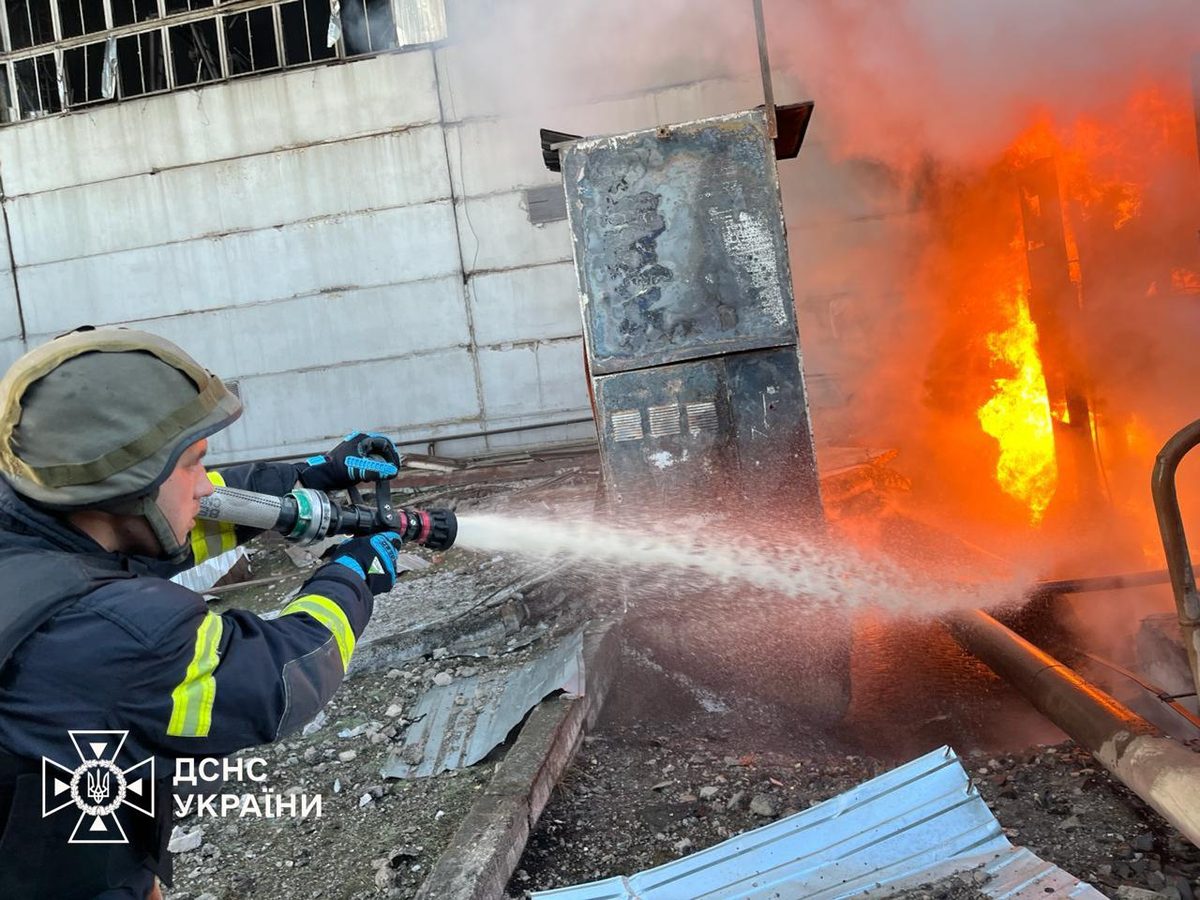
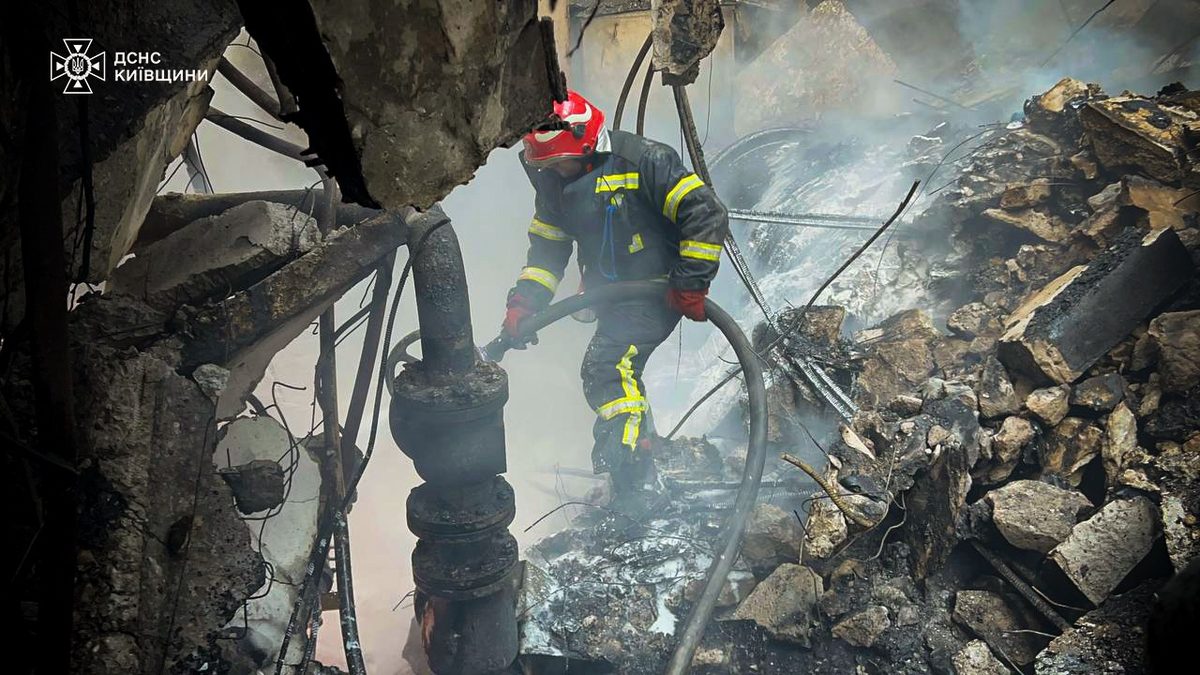
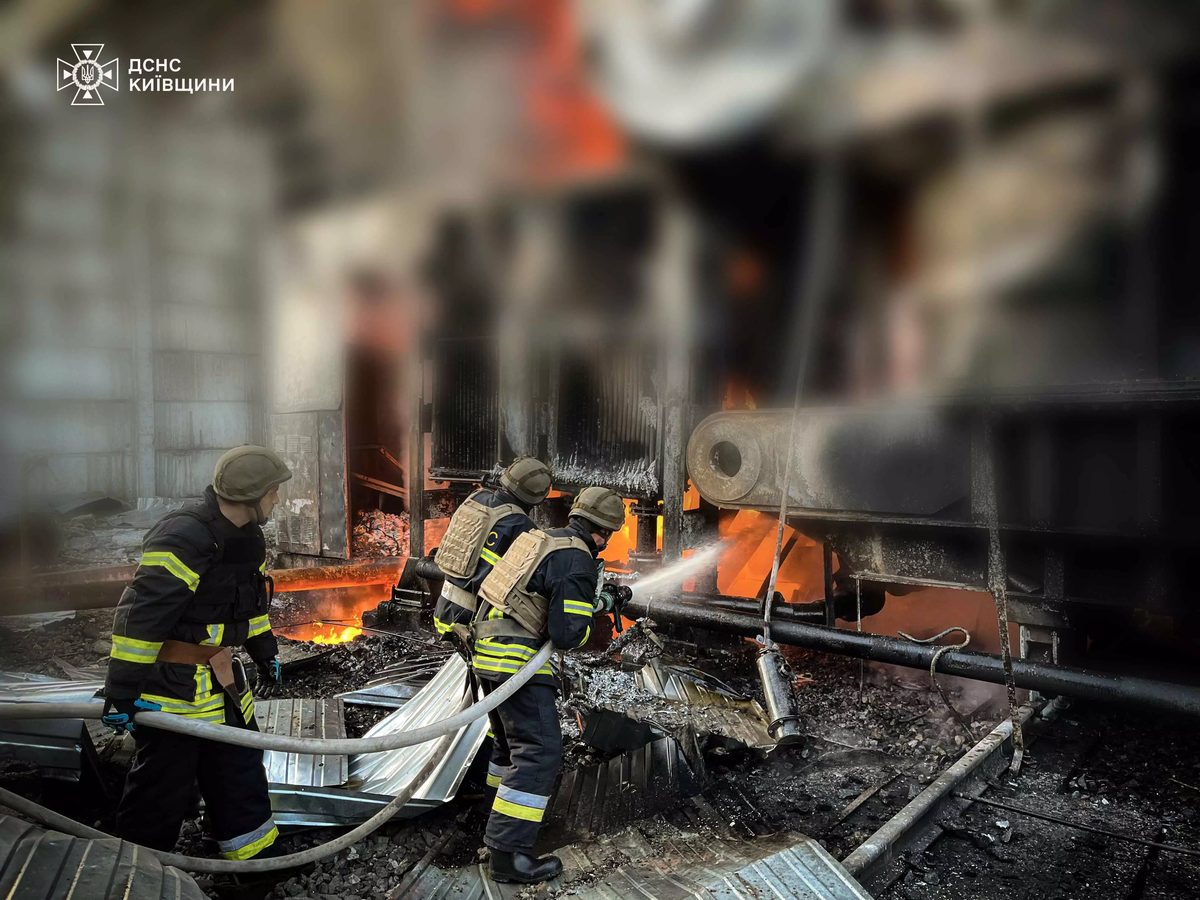
Russia has spent four years methodically destroying Ukraine's ability to keep the lights on. Since October 2022, over 1,400 missiles and 500 strike drones have hit power plants, substations, and the workers who maintain themโ€”killing at least 160 energy workers and erasing two-thirds of Ukraine's thermal generation capacity.

The February 18, 2026 drone strike that killed three Sloviansk Thermal Power Plant workers in their car represents a tactical evolution: targeting not just infrastructure but the people who repair it. With Ukraine's generating capacity down from 37 gigawatts to under 14, and negotiations over an 'energy truce' collapsing days earlier, millions face another winter of rolling blackouts and frozen pipes.

Key Indicators

160+
Energy Workers Killed
Ukrainian energy sector employees killed since 2022 while maintaining critical infrastructure
67%
Thermal Capacity Lost
Share of Ukraine's pre-war thermal power generation destroyed or damaged
$20.5B
Infrastructure Damage
Estimated cost of war-related damage to Ukraine's energy system through 2024
1,225
Attacks in 2025
Number of strikes on energy infrastructure in 2025 aloneโ€”exceeding the previous three years combined

Interactive

Exploring all sides of a story is often best achieved with Play.

Ever wondered what historical figures would say about today's headlines?

Sign up to generate historical perspectives on this story.

Sign Up

Debate Arena

Two rounds, two personas, one winner. You set the crossfire.

People Involved

Volodymyr Zelenskyy
Volodymyr Zelenskyy
President of Ukraine (Leading war effort and peace negotiations)
Denys Shmyhal
Denys Shmyhal
Energy Minister of Ukraine (Managing wartime energy crisis)

Organizations Involved

DO
Donbasenergo
Regional Power Generation Company
Status: Operating under wartime conditions near front lines

The regional power company operating the Sloviansk Thermal Power Plant, located roughly ten kilometers from active combat.

Ukrenergo
Ukrenergo
State-Owned Power Grid Operator
Status: Managing nationwide grid under continuous attack

Ukraine's national transmission system operator, responsible for balancing supply and demand across a grid that has lost more than half its capacity.

Timeline

  1. Large-Scale Attack Disrupts Heat in Two Cities

    Impact

    Russia launches nearly 400 drones and 29 missiles at Ukraine, causing power outages in five regions and heating disruptions in Sumy and Odesa.

  2. Drone Strike Kills Three Sloviansk TPP Workers

    Casualty

    A Russian first-person-view drone strikes a civilian vehicle carrying Sloviansk Thermal Power Plant employees in Mykolaivka. Three workers are killed, one injured.

  3. Russia Breaks Energy Truce with Massive Attack

    Military

    Russia launches 71 missiles and 450 drones at Ukraine, breaking the energy truce days after it was announced. Power cuts affect Kyiv, Kharkiv, Odesa, and other regions.

  4. Energy Truce Announced

    Diplomatic

    US President Donald Trump announces that Russia has agreed to halt energy infrastructure attacks for at least one week due to cold weather. Both sides commit to the pause.

  5. Ukraine Reports Worst Energy Day in Three Years

    Impact

    Energy Minister Denys Shmyhal declares Ukraine has experienced 'the most difficult day for the energy system' since the first year of the full-scale invasion.

  6. 2025 Attacks Exceed Previous Three Years Combined

    Milestone

    Russia completes 1,225 attacks on energy infrastructure in 2025, surpassing the combined total from 2022 through 2024. Damage exceeds $20 billion.

  7. Energy Worker Deaths Reach 160

    Milestone

    Ukrainian officials report that 160 energy sector workers have been killed since Russia began targeting power infrastructure.

  8. Two Ukrenergo Workers Killed in Odesa Attack

    Casualty

    A Russian missile and drone attack kills two Ukrenergo employees at an Odesa substation. Dmytro Kaminnyi and Maksym Sharhorodskyi had worked for the company for 16 and 19 years respectively.

  9. Russia Shifts to Targeting Power Generation

    Military

    Russia escalates from attacking transmission infrastructure to systematically destroying power plants. One major company reports three times more generation damage than in the previous winter.

  10. United Nations Commission Finds Potential Crimes Against Humanity

    Legal

    United Nations human rights investigators report that Russia's energy grid attacks and torture of prisoners could constitute crimes against humanity.

  11. Half of Ukraine's Grid Offline

    Impact

    Nearly half of Ukraine's power grid is out of commission. Ten million Ukrainians are without electricity as temperatures drop below freezing.

  12. Russia Launches Systematic Energy Campaign

    Military

    Russia attacks Ukraine's power grid nationwide with 84 cruise missiles and 24 loitering munitions, marking the start of a deliberate campaign against civilian energy infrastructure.

Scenarios

1

Energy Truce Holds, Becomes Template for Ceasefire

Discussed by: PRIO (Peace Research Institute Oslo), Foreign Policy analysts covering Geneva talks

A durable halt to energy infrastructure attacks becomes the first building block of a broader ceasefire. Both sides gain: Russia reduces international condemnation, Ukraine gets breathing room to rebuild critical capacity. This scenario requires Russia to see more value in negotiating leverage than in continued destruction, and assumes the Geneva talks produce enforceable monitoring mechanisms.

2

Grid Collapse Forces Ukraine to Accept Territorial Concessions

Discussed by: Foreign Policy, Center for Strategic and International Studies (CSIS)

Continued attacks reduce Ukrainian generating capacity below minimum viable levels. Cascading failures in water, heating, and healthcare systems during winter create pressure that Ukraine cannot sustain. Facing humanitarian catastrophe, Kyiv accepts a settlement that cedes portions of Donetsk and other occupied territories. Moscow has explicitly stated this is the strategic intent.

3

Western Air Defense Systems Neutralize Energy Campaign

Discussed by: Brookings Institution, International Energy Agency analysts

Additional deliveries of advanced air defense systemsโ€”particularly those capable of intercepting cruise missiles and Iranian-designed Shahed dronesโ€”raise Ukraine's intercept rate above 90% for attacks on critical infrastructure. Repair capacity begins to exceed destruction rate. This requires sustained Western commitment and faster delivery timelines than currently planned.

4

International Criminal Court Issues Arrest Warrants for Energy Attacks

Discussed by: International Federation for Human Rights (FIDH), UN Human Rights Monitoring Mission

Following the 2023 UN commission findings that energy attacks may constitute crimes against humanity, the International Criminal Court expands its investigation to include specific commanders responsible for targeting civilian infrastructure. While unlikely to result in arrests, warrants would further isolate Russia diplomatically and complicate any peace settlement that includes amnesty provisions.

Historical Context

NATO Kosovo Campaign (1999)

March-June 1999

What Happened

NATO forces systematically targeted Serbia's power infrastructure during the 78-day air campaign over Kosovo. Eleven of Serbia's 20 major power stations were destroyed, and 119 substations were hit. By campaign's end, only 4% of pre-war electricity production remained operational.

Outcome

Short Term

Serbia capitulated after 78 days, agreeing to withdraw forces from Kosovo. The electrical grid destruction was credited as a key pressure point.

Long Term

The campaign sparked lasting debate over the legality of targeting dual-use infrastructure. Critics argued civilian suffering was disproportionate to military gains. The precedent influenced rules of engagement in subsequent conflicts.

Why It's Relevant Today

Russia's Ukraine campaign mirrors NATO's Kosovo approach but at greater scale and duration. Both targeted power infrastructure to break civilian morale. The key difference: Kosovo's strikes lasted weeks; Russia's have continued for four years with no clear endpoint.

Gulf War Infrastructure Campaign (1991)

January-February 1991

What Happened

US-led coalition forces destroyed or damaged 17 of Iraq's 20 major power stations during Operation Desert Storm. The stated objective was degrading military-supporting infrastructure, but the cascading effects collapsed civilian water, sanitation, and healthcare systems.

Outcome

Short Term

Iraq's military capability was degraded, contributing to rapid ground campaign success. But an estimated 110,000 Iraqi civilians died, mostly from infrastructure collapse rather than direct strikes.

Long Term

International criticism prompted the US to shift tactics. In 2003's Iraq War, coalition forces targeted distribution rather than generation, and used specialized weapons designed to disable rather than destroy electrical systems.

Why It's Relevant Today

The Gulf War demonstrated how attacking power infrastructure creates humanitarian consequences far exceeding the immediate military effect. Russia appears to have studied this lessonโ€”and embraced it as strategy rather than avoiding it.

Strategic Bombing of Germany (1943-1945)

1943-1945

What Happened

Allied forces conducted area bombing of German cities, including the February 1945 firebombing of Dresden that killed an estimated 25,000 civilians. The campaign targeted both industrial capacity and civilian morale, with debates continuing over military necessity.

Outcome

Short Term

German industrial production was significantly degraded, though it proved more resilient than planners expected. The humanitarian tollโ€”305,000 to 600,000 civilian deathsโ€”remains controversial.

Long Term

The campaign informed the Geneva Conventions' 1977 Additional Protocol I, which established proportionality requirements and protections for civilian infrastructure. Both Russia and Ukraine have ratified this protocol.

Why It's Relevant Today

Dresden remains a touchstone for debates over targeting civilian infrastructure. Russia's campaign raises similar questions: Does destroying power plants serve legitimate military objectives, or is the primary purpose to terrorize civilians? The legal framework created in response to World War II is now being tested.

12 Sources: