
Pull to refresh
Logo
Court grants Michigan's Roddy Gayle immediate fifth year of eligibility

Court grants Michigan's Roddy Gayle immediate fifth year of eligibility

Rule Changes

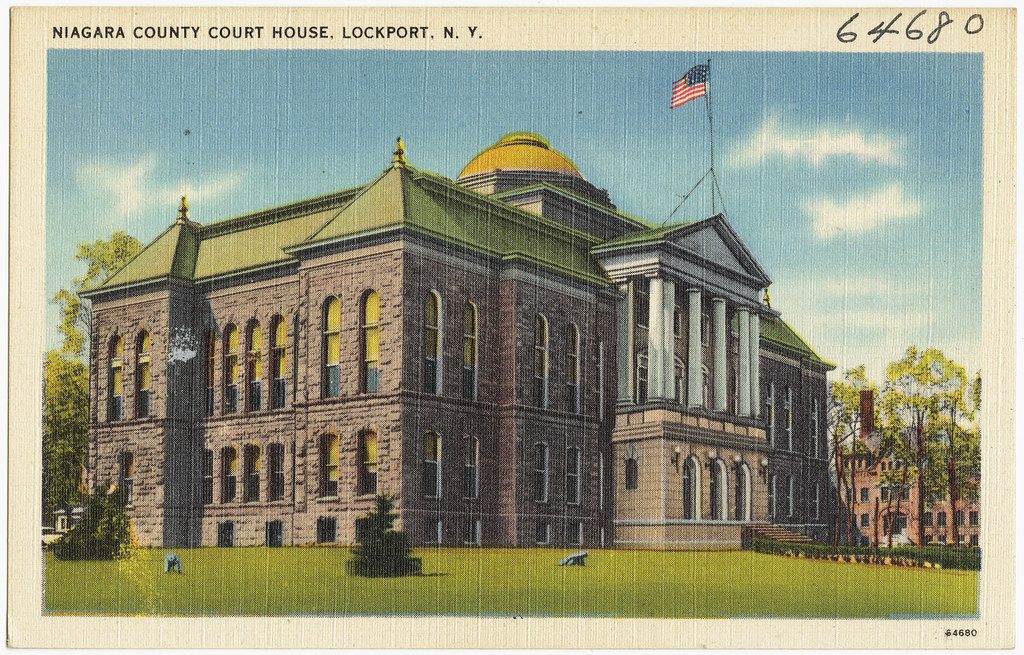
Niagara County judge rules NCAA's new eligibility model applies to class of 2022; NCAA expected to appeal

Yesterday: Preliminary injunction grants immediate eligibility

Overview

Updated 52 minutes ago

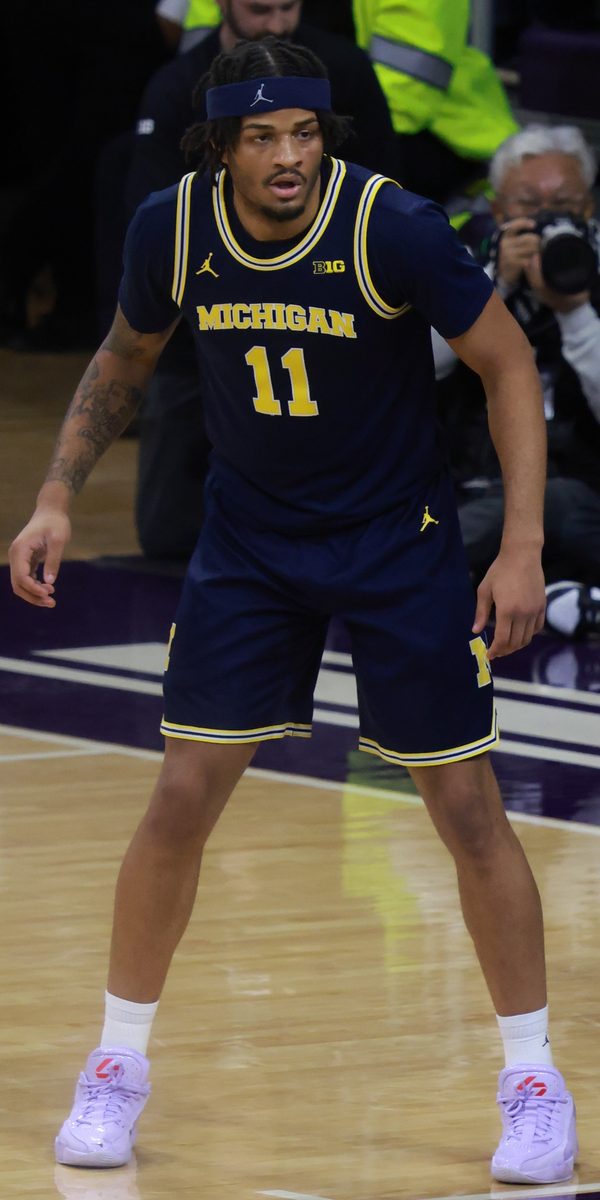
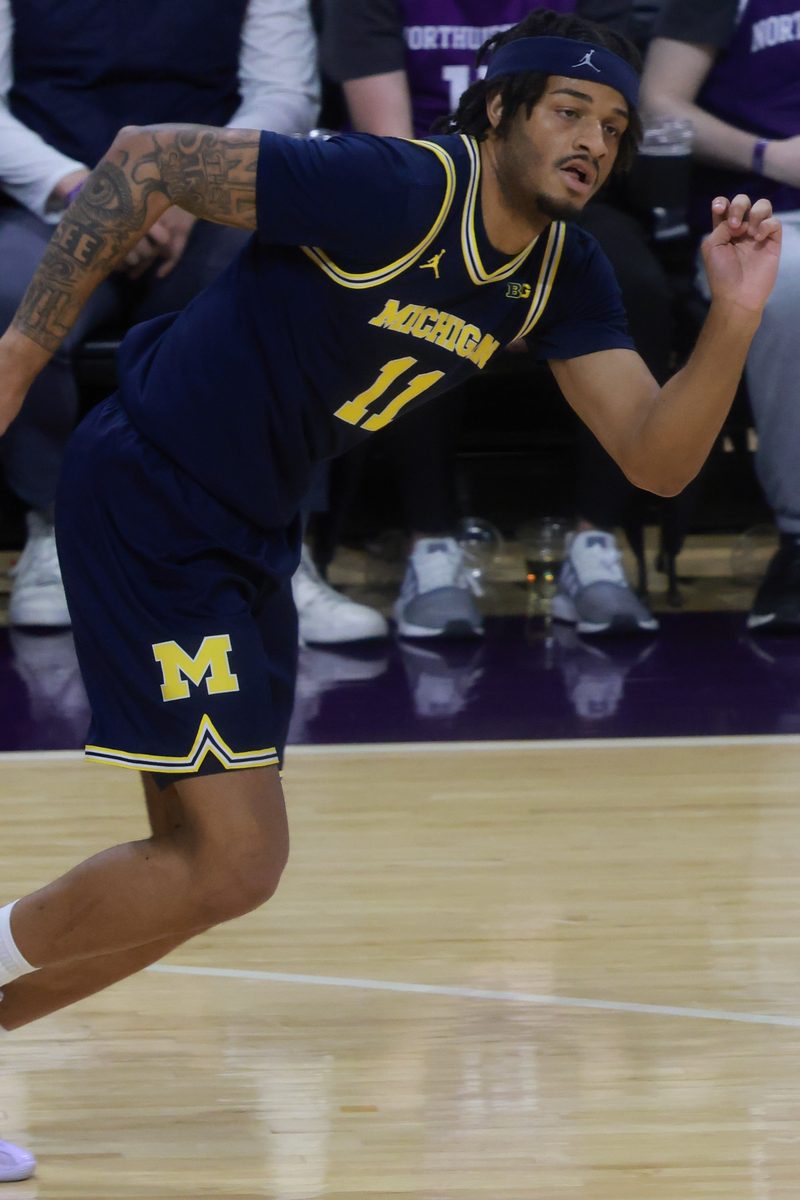
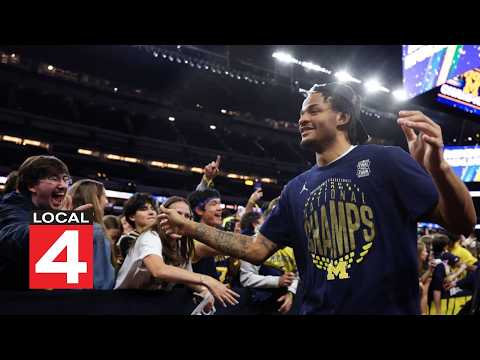
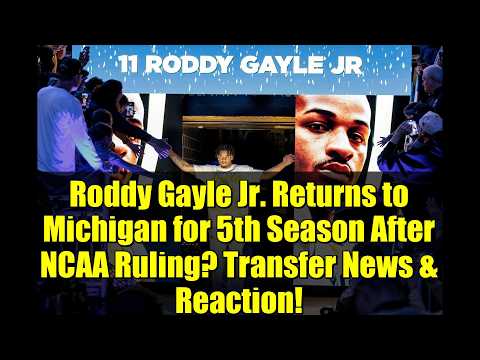
A New York state court granted Michigan guard Roddy Gayle Jr. an immediate fifth year of eligibility Thursday. The ruling allows the 22-year-old to play for the reigning national champions in 2026-27 while his lawsuit against the NCAA proceeds.

Gayle sued the NCAA on Aug. 31 after the association's June eligibility overhaul excluded athletes who graduated high school in 2022. The NCAA is expected to appeal, and similar cases are pending in several states.

Why it matters

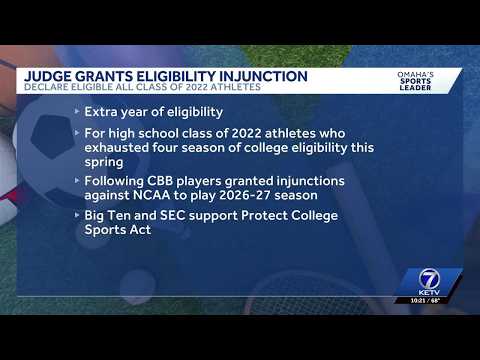
If Gayle's ruling holds, hundreds of class-of-2022 athletes could gain a fifth college season the NCAA tried to deny them.

Questions about this story

Free account needed to ask — your question is kept and asked for you right after sign-up. Answers are public.

No questions yet — be the first to ask.

Key Indicators

7.3
Points per game in 2025-26
Gayle averaged 7.3 points in 21 minutes per game off the bench for the national champion Wolverines.
22
Gayle's age
The guard is seeking a fifth college season at age 22.
3+
States with pending eligibility lawsuits
Cases in Indiana, Ohio, Tennessee and elsewhere challenge the NCAA's rule change.

Voices

Curated perspectives — historical figures and your fellow readers.

Ever wondered what historical figures would say about today's headlines?

Sign up to generate historical perspectives on this story.

People Involved

Organizations Involved

Timeline

June 2026 September 2026

5 events Latest: Yesterday
Tap a bar to jump to that date
  1. NCAA adopts age-based eligibility model

    Rule Change

    NCAA replaces four-seasons-in-five-years rule, excluding class of 2022 from the new five-year model.

Scenarios

1

NCAA appeal overturns Gayle's eligibility

Possible Resolves by Q1 2027

Discussed by: CBS Sports, NCAA legal team

The NCAA is expected to appeal Sedita's preliminary injunction. If an appellate court rules for the association, Gayle would lose eligibility and could not play for Michigan. The appeal could be resolved during the 2026-27 season.

2

Ruling holds, Gayle plays full season for Michigan

Likely Resolves by Apr 30, 2027

Discussed by: CBS Sports, Michigan athletics

If the NCAA's appeal fails or stalls, Gayle starts at off-ball guard and plays the full season. CBS Sports projects him in Michigan's starting five alongside Elliot Cadeau and Trey McKenney.

3

NCAA grandfathers class of 2022 after court rulings align

Possible Resolves by End of 2026

Discussed by: Detroit Free Press, legal analysts

A federal judge in Denver already granted class of 2022 athletes preliminary injunctive relief. If Gayle's state ruling and the federal ruling hold, the NCAA may be forced to formally extend eligibility to the entire class, affecting hundreds of athletes across multiple sports.

Historical Context

2 moments from history that rhyme with this story — and how they unfolded.

2014-2015

O'Bannon v. NCAA (2014-2015)

Former UCLA basketball player Ed O'Bannon sued the NCAA over the use of player likenesses in video games. A federal judge in California ruled the NCAA violated antitrust law, though an appeals court narrowed the remedy.

Then

The ruling forced the NCAA to allow schools to cover full cost of attendance for athletes.

Now

It demonstrated that individual athletes can win antitrust suits against the NCAA, paving the way for the NIL era.

Why this matters now

O'Bannon showed how a single athlete's lawsuit could force NCAA policy changes, a model Gayle is using with his eligibility case.

June 2021

NCAA v. Alston (2021)

The Supreme Court ruled unanimously that the NCAA violated antitrust law by capping education-related benefits for athletes. Justice Neil Gorsuch wrote that the NCAA's amateurism rules are not immune from judicial scrutiny.

Then

Schools could offer unlimited education-related benefits without NCAA caps.

Now

The decision opened the door for athletes to challenge NCAA rules in court, weakening the association's authority over eligibility and compensation.

Why this matters now

Alston established that courts can strike down NCAA rules, giving athletes like Gayle a legal foundation to challenge eligibility restrictions.

Sources

(7)