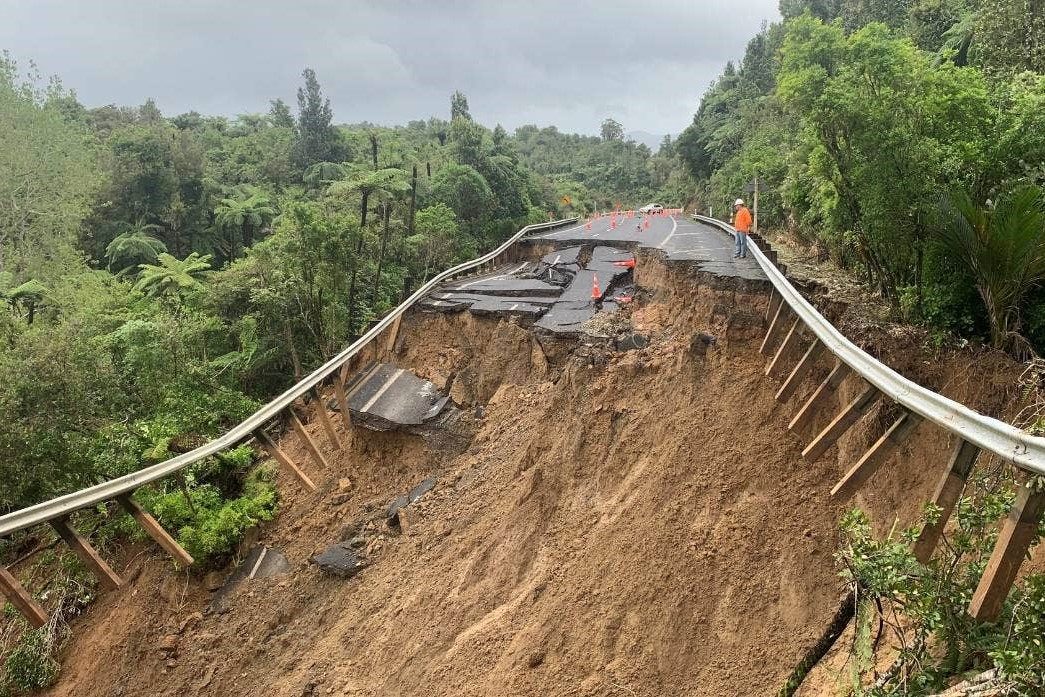
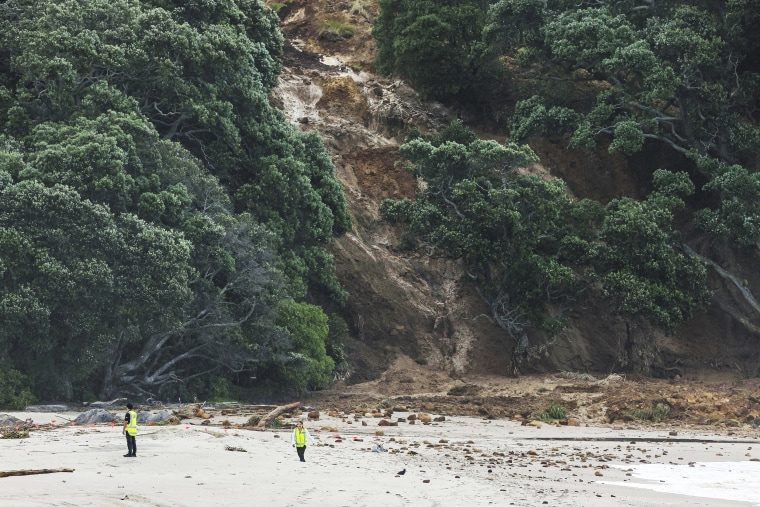
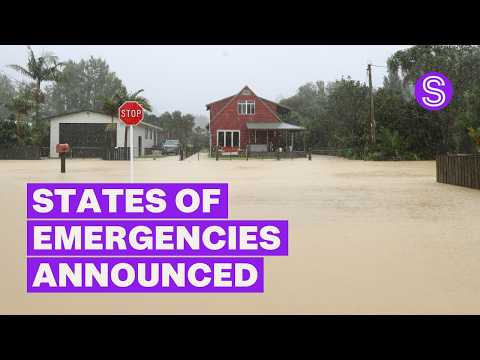
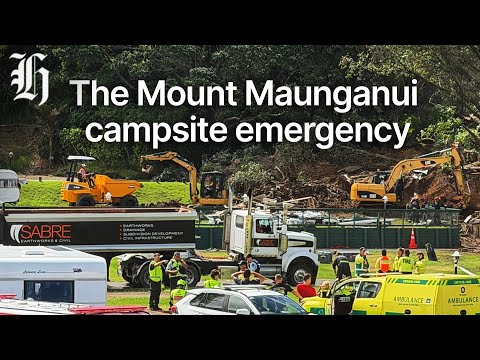
Nine people died during storms that struck New Zealand's North Island from January 16–22, 2026. Three separate incidents account for the deaths: a campground landslide, a home collapse, and a river drowning.
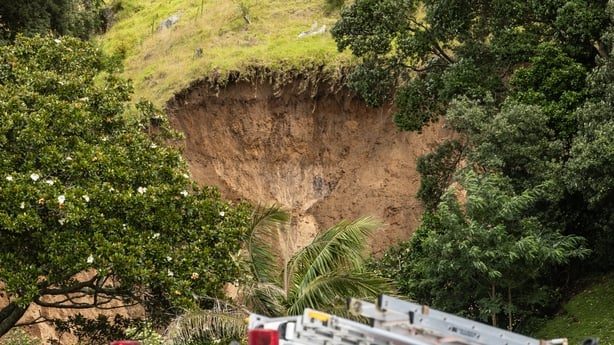
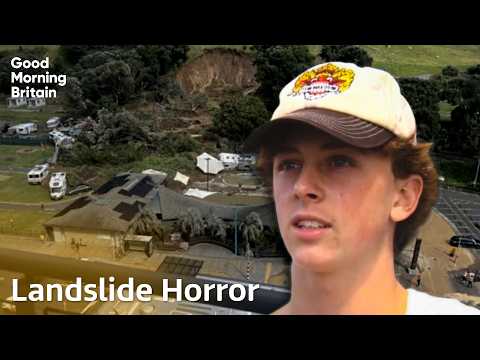
Six people were killed when a hillside collapsed onto Mount Maunganui's Beachside Holiday Park at 9:30 a.m. on January 22. They were Lisa Anne Maclennan (50), Måns Loke Bernhardsson (20), Jacqualine Suzanne Wheeler (71), Susan Doreen Knowles (71), Sharon Maccanico (15), and Max Furse-Kee (15). All six were formally identified through the coroner process; Wheeler was confirmed last, on January 31.
A 4:50 a.m. landslide struck a Welcome Bay home, killing Yao Fang (71), a Chinese national and architect, and her grandson Austen Keith Richardson (10), a gifted musician who called her 'Nai Nai.' A 47-year-old Kiribati migrant worker was swept into the flooded Mahurangi River on January 21.
Fire and Emergency's specialist Urban Search and Rescue (USAR) team was demobilized on January 31, ending nine days of active search. Tauranga City Council staff drove through the campground at 7:45 a.m. on January 22, two hours before the fatal collapse, passing three visible slips. The council had received a Fire and Emergency warning call at 5:51 a.m., nearly two hours before staff arrived.
A photo taken at 7:42 a.m. shows an exposed blue water pipe in the bank above tents. Witnesses reported a 'mini waterfall' on the embankment before the collapse. Investigators are examining whether underground water pipes above the campsite contributed to the instability.
Documents revealed January 28 show geotechnical engineers warned the council in 2005 that buildings should not be permitted in landslide runout zones 'unless in rare circumstances.' That warning came after studying more than 300 landslides from a 2003 storm. WorkSafe is investigating whether organizations met their duty of care obligations.
Local iwi placed a rāhui (traditional restriction) over Mauao on January 27, closing the mountain indefinitely. The death toll makes this New Zealand's deadliest weather event since Cyclone Gabrielle killed 11 in February 2023.
Questions about this story
Free account needed to ask — your question is kept and asked for you right after sign-up. Answers are public.
No questions yet — be the first to ask.
Key Indicators
9
Confirmed Deaths
Six at Mount Maunganui campground, two at Welcome Bay, one swept into river
6 of 6
Victims Identified
All Mount Maunganui victims formally identified through coroner process by January 31
1h 45min
Council On-Site Window
Time between council staff driving past slips at campground and fatal collapse
21 years
Warning History
Time since 2005 geotechnical report advised against building in landslide runout zones
35 events
Latest: January 31st, 2026 · 8 months ago
Showing 8 of 35
JK to step
Tap a bar to jump to that date
January 2026
Susan Knowles Formally Identified by Coroner
LatestResponse
Coroner Janet Anderson formally identifies Susan Doreen Knowles, 71, from Ngongotaha as fifth victim at 1 p.m. hearing in Tauranga Moana District Court. Evidence presented by Detective Sergeant Brent Griffiths.
Jacqualine Wheeler Confirmed as Final Victim
Response
Chief Coroner Anna Tutton confirms Jacqualine Suzanne Wheeler, 71, from Rotorua as sixth and final victim of Mount Maunganui landslide. Wheeler identified by fingerprints and DNA comparison with her daughter. Wheeler and Knowles were long-time friends on their annual summer camping trip together.
FENZ Urban Search and Rescue Team Demobilized
Response
Fire and Emergency New Zealand's specialist Urban Search and Rescue (USAR) team formally demobilized after nine days of operations. Assistant National Commander David Guard acknowledges team worked 'meticulously and tirelessly.' Police recovery efforts continue with safety equipment remaining in place.
Water Pipe Network Investigation Announced
Response
Investigation announced into underground water pipe network above campsite, including pipes positioned directly above where slip occurred. Photo taken at 7:42 a.m. on January 22 shows exposed blue PVC pipe in bank above tents; witnesses reported 'mini waterfall' on embankment before collapse. Questions raised whether leaking pipes contributed to slope instability.
Lisa Maclennan Formally Identified by Coroner
Response
Coroner Heather McKenzie formally identifies Lisa Anne Maclennan, 50, from Morrinsville as third victim of Mount Maunganui landslide at Tauranga court hearing. Maclennan worked as Literacy Centre tutor at Morrinsville Intermediate School.
Recovery Suspended Due to Land Movement
Response
Monitoring equipment detects excess water within scene, triggering automatic work stoppage. Geotechnical experts examine site; operations resume at 2 p.m. after area declared safe.
2005 Geotechnical Warning Documents Surface
Response
RNZ reports that engineers warned Tauranga City Council in 2005 that buildings should not be allowed in landslide runout zones unless 'in rare circumstances.' Advice based on study of 300-plus landslides from 2003 storm.
Rāhui Placed on Mauao
Response
Mauao Trust places traditional Māori restriction (rāhui) over Waikorire (Pilot Bay) and Hīnekite (Mount Main Beach), prohibiting climbing or swimming near the mountain indefinitely due to ongoing landslide risk.
Welcome Bay Victims Officially Named
Response
Police name grandmother and grandson killed in Welcome Bay landslide as Yao Fang (71) and Austen Keith Richardson (10). Family describes Austen as gifted musician; Yao was architect who emigrated from China.
Council Staff Confirmed at Campground Before Collapse
Response
Camper reports Tauranga City Council vehicle drove through holiday park at approximately 7:45 a.m., passing three visible slips—1 hour 45 minutes before fatal collapse. Mayor Drysdale confirms council staff were on-site when landslide occurred.
Recovery Operations Resume After Safety Pause
Response
Recovery work restarts after specialist monitoring equipment installed overnight to track hillside stability. Police warn operation could extend to weeks.
WorkSafe Launches Investigation Into Duty of Care
Response
WorkSafe announces it will investigate organizations with duty of care responsibilities for holiday park visitors, including Tauranga City Council. Head of Inspectorate Rob Pope says inspectors will work 'at pace' to provide answers to families.
Pre-Landslide Warning Timeline Revealed
Response
Documents show Fire and Emergency New Zealand received 111 call at 5:48 a.m. reporting slip near campground, notified Tauranga City Council at 5:51 a.m.—3 hours 42 minutes before fatal collapse. Council initially denied receiving warning, then backtracked hours later.
Recovery Halted After Fresh Cracks Discovered
Response
Operations suspended when contractor notices new cracks in hillside left of slip. All personnel evacuated; geotechnical experts assess stability. Specialist equipment brought in overnight to remove loose material.
Community Vigil Held at Blake Park
Response
More than 100 people gather for sunset vigil for landslide victims. Prime Minister Christopher Luxon and Emergency Management Minister Mark Mitchell attend.
PM Luxon Condemns Speculation About Tree Removal
Response
Prime Minister pushes back against claims that tree removal contributed to landslide, stating 'people on the margins with their rhetoric need to just frankly keep it to themselves.' Praises iwi role in storm response.
All Six Mount Maunganui Victims Officially Named
Response
Police release names: Lisa Anne Maclennan (50, Morrinsville), Måns Loke Bernhardsson (20, Sweden), Jacqualine Suzanne Wheeler (71, Rotorua), Susan Doreen Knowles (71, Ngongotaha), Sharon Maccanico (15, Auckland), Max Furse-Kee (15, Auckland). Both teenagers attended Pakuranga College.
Human Remains Found, Operation Becomes Recovery
Response
Police confirm discovery of human remains at campground site. Operation officially transitions from rescue to recovery phase. No one could have survived, officials state.
Tauranga City Council Announces Independent Review
Response
Council confirms independent review into events leading to landslide. Mayor Mahé Drysdale commits to examining decisions and timeline.
Six Missing Confirmed, Including Two 15-Year-Olds
Response
Police confirm six people unaccounted for at Mount Maunganui campground, including two teenagers aged 15. No signs of life detected in debris field.
Additional Slip Halts Northern Search Area
Disaster
Partial slip occurs in northern sector of Mount Maunganui search area at 6 p.m., forcing teams to stop operations there due to safety concerns.
Welcome Bay Victims Identified as Grandmother and Grandchild
Response
Police confirm Welcome Bay victims were grandmother and grandchild; one was a Chinese national. Child described by piano teacher as 'bright' talented musician.
PM Luxon Meets Families, Operation May Take Days
Response
Prime Minister Christopher Luxon meets with families of missing at Mount Maunganui. Police Commissioner Richard Chambers warns recovery effort could take 'days' to reach those trapped.
Families Told Operation 'Pretty Much Just a Recovery'
Response
Family member reports being told search is 'pretty much just a recovery now,' despite official public stance maintaining it remains a rescue operation.
Welcome Bay Landslide Kills Two
Disaster
Landslide strikes house in Welcome Bay, Tauranga. Two occupants escape; two others trapped inside are later confirmed dead.
Mount Maunganui Campground Buried by Landslide
Disaster
Hillside collapses above Beachside Holiday Park, crushing tents, campervans, and an ablution block. Multiple people including children missing. Voices heard initially, then silence.
Rescuers Withdraw Due to Ground Instability
Response
Fire crews forced to pull back from campground site after detecting possible slip movement, despite having heard survivors' voices.
Five Regions Under States of Emergency
Declaration
States of Emergency now cover Northland, Thames-Coromandel, Hauraki, Tairāwhiti, and Bay of Plenty. Red rain warnings lifted but damage continues.
Man Swept Into Mahurangi River
Disaster
A 47-year-old Kiribati migrant worker disappears after his vehicle is swept into flooded Mahurangi River north of Auckland. His nephew survives.
Thames-Coromandel Declares State of Emergency
Declaration
Precautionary state of emergency declared in Thames-Coromandel District ahead of expected heavy rain and flooding.
Whangārei Declares State of Emergency
Declaration
Whangārei District Council declares an 'extremely rare' precautionary state of emergency ahead of forecast heavy rain.
80 Campers Trapped at Whangaruru
Disaster
A 50-meter-wide slip cuts off Whangaruru Campground in Northland, trapping about 80 campers who must hike over debris to safety.
Northland Flooding Forces 300 Evacuations
Disaster
Weekend deluge floods homes, triggers massive slips, and forces over 300 evacuations from Whangārei campgrounds to nearby marae.
Waioweka Gorge Landslides Trap Motorists
Disaster
Heavy rain triggers multiple landslides on State Highway 2, trapping dozens of motorists. Police and helicopters evacuate 40 people overnight.
NZDF Helicopter Rescues 35 from Waioweka Gorge
Response
Royal New Zealand Air Force NH90 helicopter from No. 3 Squadron rescues 35 people stranded by flooding and slips between Ōpōtiki and Matawai on State Highway 2.
Scenarios
1
Bodies Recovered, Death Toll Rises
Likely
Discussed by: New Zealand media, emergency officials
Rescue teams recover additional bodies from the Mount Maunganui campground over the coming days. The death toll climbs into double figures, making this the deadliest weather event since Cyclone Gabrielle. Government faces questions about warnings and campground location below an unstable slope.
2
Survivors Found in Rubble
Possible
Discussed by: Emergency officials, Superintendent Tim Anderson
USAR teams locate survivors in air pockets within the debris field. The mountain has a history of slips dating back to at least 2011, and the ablution block's structure may have created survivable voids. Anderson stated finding someone alive remains 'possible.'
3
Further Landslides Force Wider Evacuations
Possible
Discussed by: Geoscientists, local authorities
Saturated hillsides across the Bay of Plenty region continue to fail in the coming days, triggering additional evacuations. Mauao remains closed for months. Insurance claims surge as the weather event's full scope becomes clear.
4
Government Inquiry Into Campground Siting
Possible
Discussed by: Political commentators, opposition parties
Questions emerge about why a holiday park was permitted to operate at the base of a slope with documented landslide history. An inquiry examines land-use planning and hazard assessment protocols, potentially leading to new regulations for high-risk areas.
5
Recovery Operation Confirms All Six Fatalities
Likely
Discussed by: Family members, emergency officials
Search teams working through unstable debris field eventually recover all six bodies from Mount Maunganui campground. The grim outcome matches what families were privately told—that the operation had transitioned from rescue to recovery despite public messaging maintaining hope. The confirmed death toll of eight (plus earlier storm casualties) makes this the deadliest weather event since Cyclone Gabrielle.
6
Chinese Government Demands Investigation
Possible
Discussed by: Chinese Ambassador Wang Xiaolong, diplomatic analysts
With at least one Chinese national confirmed dead at Welcome Bay, Chinese authorities press for a full investigation into whether adequate warnings were issued and whether the campground should have been operating below a slope with documented instability. Diplomatic pressure accelerates calls for a government inquiry into land-use planning and hazard protocols.
7
Council Faces Criminal Liability Over Missed Warnings
WorkSafe investigation determines Tauranga City Council received clear warning at 5:51 a.m. but failed to evacuate campground before 9:30 a.m. collapse. Criminal charges filed under Health and Safety at Work Act for failing to meet duty of care obligations. Council CEO faces calls to resign; political pressure mounts for accountability.
8
Pre-Landslide Warning System Failures Spark National Inquiry
Likely
Discussed by: Opposition parties, emergency management experts
The 3-hour-42-minute gap between initial slip warning and fatal collapse reveals systemic failures in emergency communication protocols. Government launches national inquiry into inter-agency coordination during natural disasters, examining why Fire and Emergency notification to council didn't trigger immediate campground evacuation.
9
Council Faces Criminal Charges Over On-Site Staff Failure
Possible
Discussed by: Legal analysts, WorkSafe investigators, public commentators
WorkSafe investigation determines council staff who drove through campground at 7:45 a.m. and witnessed three active slips failed to evacuate campers or escalate warnings, despite council receiving Fire and Emergency notification at 5:51 a.m. Criminal charges filed under Health and Safety at Work Act for breaching duty of care obligations during critical 1-hour-45-minute window before collapse.
Discussed by: Government officials, urban planning experts, opposition parties
Revelation that council permitted campground operation in landslide runout zone despite explicit 2005 engineering advice sparks national inquiry into enforcement of geotechnical warnings. Investigation examines whether other high-risk developments were approved contrary to expert recommendations across New Zealand councils.
11
Water Pipe Failure Found to Have Contributed to Landslide
Investigation determines underground water pipes above campsite were leaking or compromised, saturating the slope beyond natural rainfall and contributing to the collapse. Council faces additional liability for infrastructure maintenance failures. Engineering review triggers nationwide audit of water infrastructure on unstable slopes.
Historical Context
3 moments from history that rhyme with this story — and how they unfolded.
1 of 3
February 2023
Cyclone Gabrielle (2023)
Cyclone Gabrielle struck New Zealand's North Island in February 2023, dumping record rainfall on regions already saturated from the Auckland Anniversary Weekend floods two weeks earlier. The storm triggered an estimated 800,000 landslides across Hawke's Bay and Gisborne—landslide densities as high as 327 per square kilometer. Eleven people died.
Then
Third national emergency declaration in New Zealand history. Over NZ$14.5 billion in damage—the costliest tropical cyclone on record in the Southern Hemisphere.
Now
Government incorporated managed retreat into climate adaptation policy. Attribution studies found such rainfall events are now four times more frequent due to climate change.
Why this matters now
The January 2026 storms are the first to trigger red rain warnings in the same regions since Gabrielle. Emergency officials explicitly compared the current destruction to 2023, and the same climate dynamics—warming seas, more intense rainfall—underpin both events.
2 of 3
March 1988
Cyclone Bola (1988)
Cyclone Bola made landfall on New Zealand's North Island in March 1988, producing what was then considered catastrophic rainfall. The storm triggered innumerable landslides on hillside pastures, overwhelmed river stopbanks, swept away bridges, and flooded towns. Six people died and thousands were evacuated.
Then
3,000 evacuated in Gisborne alone. Agricultural losses included 3,000 tonnes of grapes and millions in vegetables. Fishing boats dredged fruit from the seafloor for months.
Now
Bola became the benchmark for extreme weather planning in New Zealand for three decades—until Cyclone Gabrielle exceeded it.
Why this matters now
Bola was the deadliest cyclone to hit New Zealand since 1968 and long served as the reference point for severe weather. The January 2026 storms demonstrate how that benchmark continues to be surpassed as climate change amplifies rainfall intensity.
3 of 3
October 1966
Aberfan Disaster (1966)
In Aberfan, Wales, a colliery spoil tip, saturated by heavy rain, collapsed onto Pantglas Junior School on October 21, 1966. The avalanche of mining waste struck just after morning assembly. 116 children and 28 adults were killed. Villagers dug through the debris by hand searching for survivors.
Then
Rescue efforts found no survivors after the first hour. A tribunal found the National Coal Board responsible for ignoring warnings about tip stability.
Now
The disaster led to the Mines and Quarries (Tips) Act 1969, establishing strict regulations for spoil tip management across the UK.
Why this matters now
The Mount Maunganui campground landslide shares haunting parallels: a slope failure onto occupied structures in the morning, children among the victims, rescuers hearing voices that eventually fell silent. Both events raise questions about land-use oversight in areas with known instability.