

Pull to refresh
Logo
Cable landing begins in Germany for first direct UK-Germany power link

Cable landing begins in Germany for first direct UK-Germany power link

Built World

Prysmian's Ulisse is laying 30 km of nearshore cable at Wilhelmshaven on a 725 km, 1.4 GW interconnector due to open in 2028

Overview

Updated 8 minutes ago

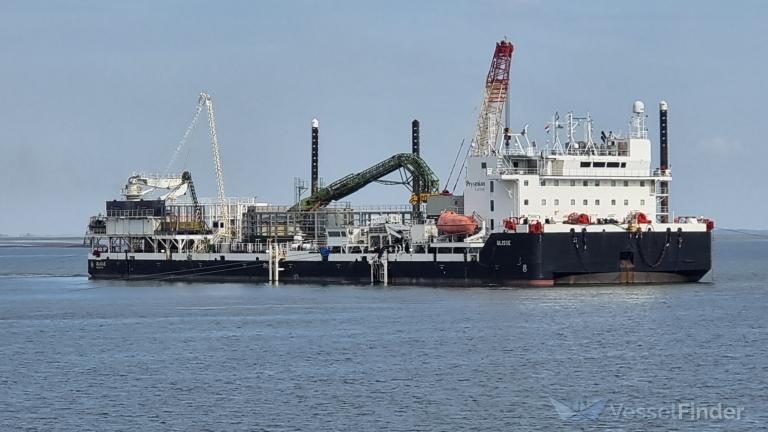
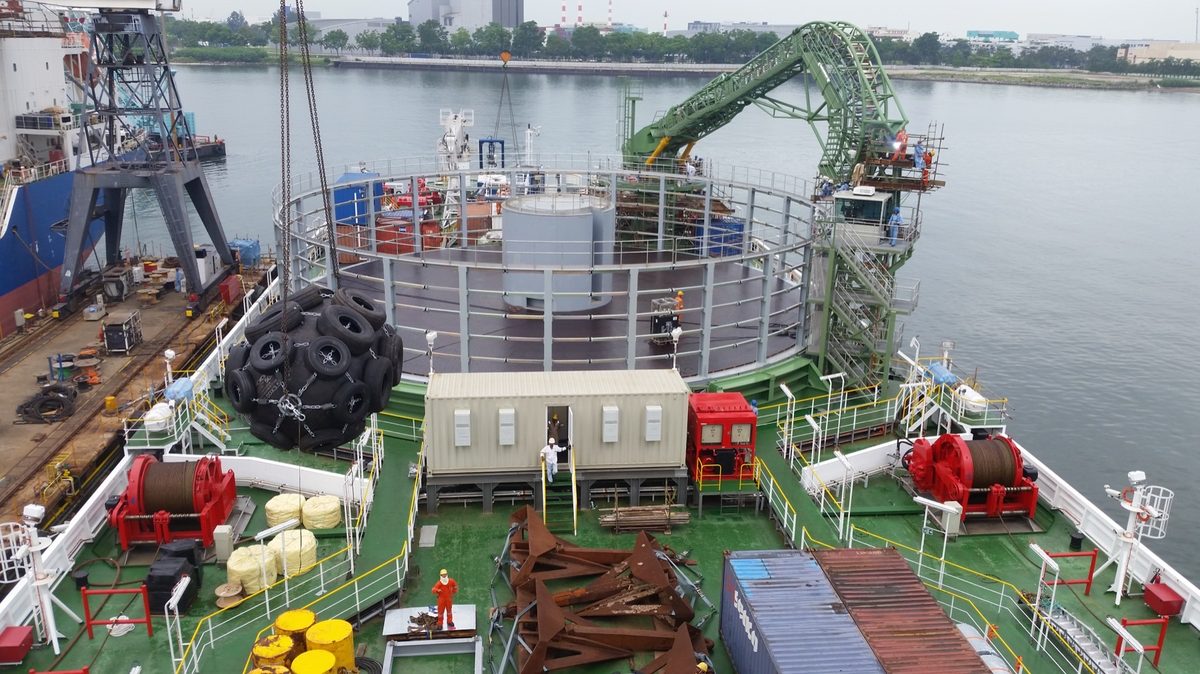
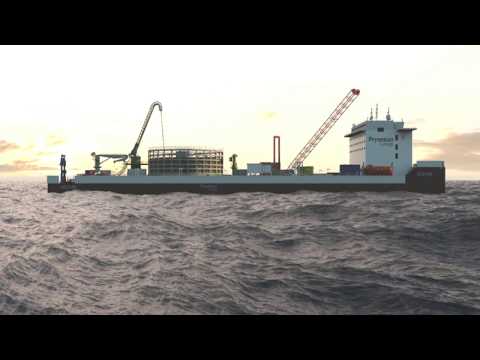
Prysmian's cable-laying vessel Ulisse has begun laying 30 kilometers of cable in shallow water off Wilhelmshaven, on Germany's North Sea coast. That is the stretch that joins a 725-kilometer subsea route to the German mainland, and the first time Britain and Germany will share a physical electricity connection.

The link, called NeuConnect, carries 1.4 gigawatts in either direction, roughly the output of a large power station and enough for about 1.5 million homes. Britain already trades power with France, the Netherlands, Belgium, Norway, Denmark and Ireland. Germany is new.

Why it matters

From 2028, Britain and Germany can trade power directly for the first time, softening price spikes on both sides of the North Sea.

Questions about this story

Free account needed to ask — your question is kept and asked for you right after sign-up. Answers are public.

No questions yet — be the first to ask.

Key Indicators

1.4 GW
Bidirectional capacity
Power that can flow either way between the British and German grids.
725 km
Total cable route
Offshore and onshore cable combined, from Kent to Wilhelmshaven.
350 km
Cable installed so far
More than 350 km had been laid as of November 2026.
30 km
Nearshore German section
Shallow-water cable now being laid toward the landfall at Hooksiel.
1.5 million
Homes the link can supply
Developer estimate of households the 1.4 GW capacity could power.
13 million tonnes
CO2 reduction over 25 years
Project estimate, based on shifting power between the two markets.
£2.4bn
Project cost
£2.4 billion, or about €2.8 billion, funded by four investors.
2028
Target start of commercial operation
Offshore installation is due to finish in 2027, followed by testing.

Voices

Curated perspectives — historical figures and your fellow readers.

Sign up to generate historical perspectives on this story.

People Involved

Organizations Involved

Timeline

July 2023 2028

8 events Latest: Today
Tap a bar to jump to that date
  1. Commercial operation targeted

    Upcoming Scheduled

    NeuConnect is due to start selling cross-border transmission capacity.

  2. Offshore installation due to finish

    Upcoming Scheduled

    Cable laying ends and system-wide testing and commissioning begin.

  3. German landfall cabling begins

    Today Construction

    Ulisse lays 30 km of nearshore cable toward Hooksiel on the German coast.

  4. Cabling programme passes halfway

    Construction

    More than 350 km of offshore and onshore cable is in place.

  5. UK and Germany sign the Kensington Treaty

    Diplomacy

    The two governments agree closer ties, a year before the cable landing.

  6. Construction starts in Germany

    Construction

    Work begins on the Wilhelmshaven converter station and the German cable route.

  7. Offshore cable installation begins

    Construction

    Prysmian starts laying subsea cable at the end of 2024.

  8. Onshore construction starts in the UK

    Construction

    Horizontal directional drilling and earthworks begin at the Isle of Grain in Kent.

Scenarios

1

NeuConnect enters commercial operation in 2028

Likely Resolves by End of 2028

Discussed by: NeuConnect's published construction timeline

Offshore installation finishes in 2027, testing runs through the year, and the link starts commercial operations in 2028 as scheduled. The German landfall at Hooksiel is completed over the winter of 2026-27, and the converter stations move from fit-out to energisation.

2

Cable installation wraps up in 2027 and testing starts

Likely Resolves by End of 2027

Discussed by: Prysmian and NeuConnect construction updates

The remaining subsea and onshore sections are laid, the full 725 km route is joined end to end, and commissioning tests of the cable and both converter stations begin. This milestone would land before the commercial operation date and is the clearest early signal on schedule.

3

Start of operation slips past 2028

Possible Resolves by Q2 2029

Discussed by: No party has forecast this; it is the downside case for a project still two years from service

Weather windows in the North Sea, converter station fit-out, or the cross-border testing regime push the in-service date into 2029 or later. The visible sign would be a revised operational date in a NeuConnect or Ofgem filing, or a cable installation season missed in 2027.

Historical Context

3 moments from history that rhyme with this story — and how they unfolded.

1986

Cross-Channel HVDC link (1986)

Britain and France switched on a 2,000-megawatt high-voltage direct current cable under the English Channel, replacing an earlier experimental connection. For the first time Britain could buy and sell large volumes of power with a continental neighbour.

Then

The cable turned cross-border trading from a technical curiosity into a routine part of British supply.

Now

It set the template for every British interconnector since, and Britain now trades power with six neighbours.

Why this matters now

NeuConnect does for Germany what that cable did for France more than three decades later: creates a first direct trading route where none existed.

2011

BritNed (2011)

A 260-kilometer, 1,000-megawatt cable linked the Isle of Grain in Kent to Maasvlakte in the Netherlands. Its British converter station sits on the same site NeuConnect is now building on.

Then

It added a second continental market to Britain's trading options and gave Dutch generators access to British prices.

Now

The Isle of Grain became a hub where multiple cables meet the British grid, which is why NeuConnect's Kent terminal is there.

Why this matters now

NeuConnect's UK end plugs in at the same coastal site, layering a second 1.4 GW-class connection onto existing grid infrastructure.

2024

Viking Link (2024)

A roughly 765-kilometer cable with 1.4 gigawatts of capacity connected Britain and Denmark, matching NeuConnect's capacity class and running a similar length across the North Sea.

Then

The link gave Danish wind output another buyer and gave British consumers access to Nordic hydro and wind.

Now

It showed that 1.4 GW subsea links of this length can be built and commissioned, which is the engineering benchmark NeuConnect is following.

Why this matters now

Viking Link is the closest existing model for NeuConnect's scale and route length, and the most direct comparison for whether the 2028 target holds.

Sources

(6)