


Pull to refresh
Logo
Marea's MAR001 cuts triglycerides 39% to 46% in phase 2b trial

Marea's MAR001 cuts triglycerides 39% to 46% in phase 2b trial

New Capabilities

The monthly antibody also lowered remnant cholesterol without worsening blood sugar, but the trial did not test heart outcomes.

Overview

Updated 1 hour ago

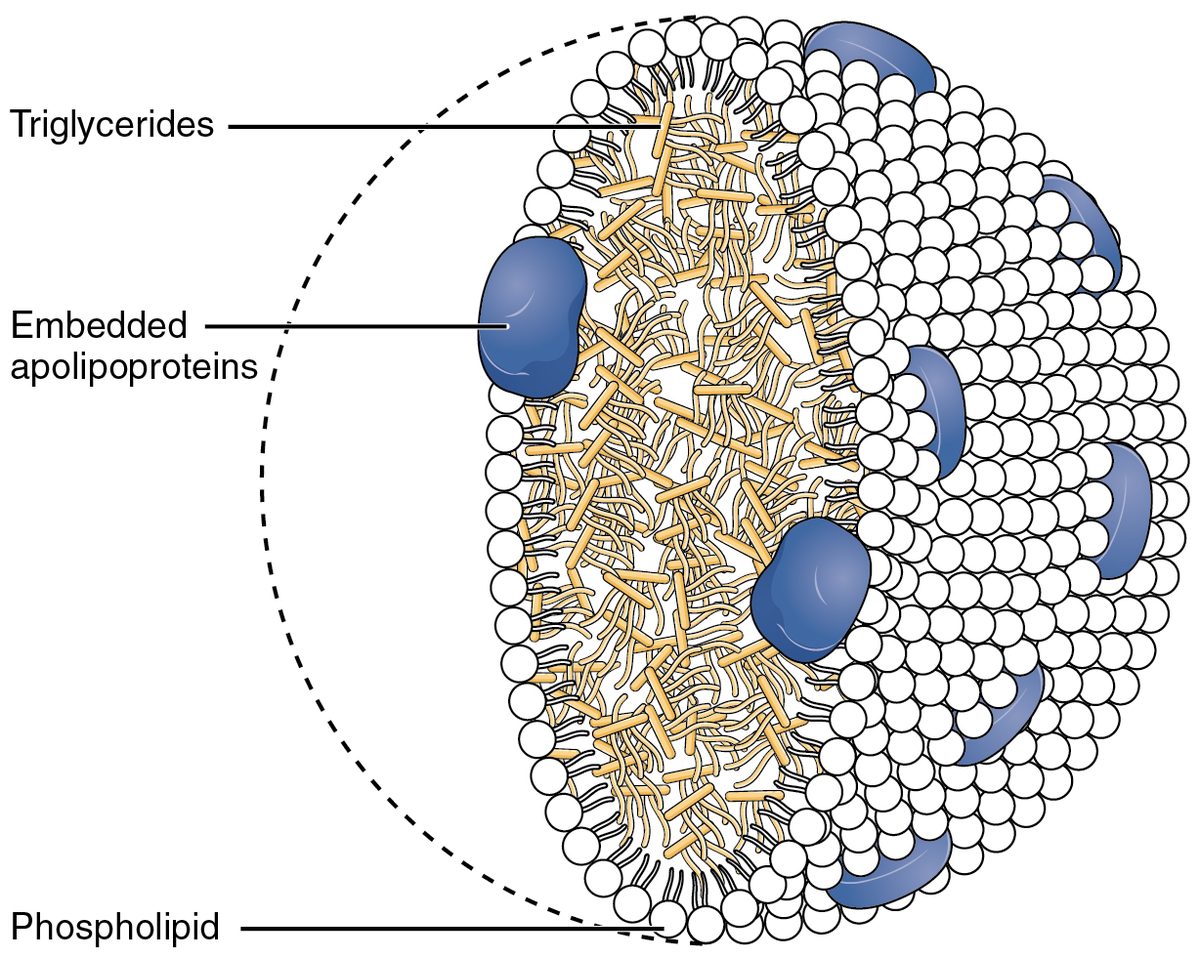
A monthly antibody called MAR001 lowered fasting triglycerides by 39% to 46% more than placebo in a 236-person trial, with the largest drops in patients who started with the highest levels. It also cut remnant cholesterol, the cholesterol carried in triglyceride-rich particles, by 37% to 41%.

The results, presented at the American Heart Association's 2026 meeting and published in the New England Journal of Medicine, open a new route to treating high triglycerides. MAR001 blocks a protein called ANGPTL4, which normally slows the enzyme that clears fat from the blood. The trial did not test whether that translates into fewer heart attacks.

Why it matters

If later trials confirm a heart benefit, a monthly shot could give millions with high triglycerides an option that does not worsen blood sugar.

Questions about this story

Free account needed to ask — your question is kept and asked for you right after sign-up. Answers are public.

No questions yet — be the first to ask.

Key Indicators

45.3%
Triglyceride reduction at the highest dose
Placebo-adjusted change in fasting triglycerides at 12 weeks with 900 mg of MAR001.
52%
Patients reaching normal triglycerides
Share at the 900 mg dose with normal fasting triglycerides at 12 weeks; 3.4% on placebo.
72%
Reduction in the highest-baseline group
Largest drop from baseline among patients who started with the highest triglyceride levels.
236
Trial participants
Adults randomized in part A of the phase 2b TYDAL-TIMI 78 trial.
249.5 mg/dL
Median baseline triglycerides
Middle value at the start of the trial; the eligibility threshold was 150 mg/dL.

Voices

Curated perspectives — historical figures and your fellow readers.

Sign up to generate historical perspectives on this story.

People Involved

Organizations Involved

Timeline

June 2025 November 2026

3 events Latest: Today
  1. ScienceAlert publishes report on MAR001

    Today Publication

    ScienceAlert reports the trial results and notes that MAR001 works through ANGPTL4 rather than APOC3.

  2. Phase 2b results presented at AHA

    Results

    MAR001 cuts fasting triglycerides 39% to 46% versus placebo at 12 weeks; results published in the New England Journal of Medicine.

  3. MAR001 trial begins

    Trial

    Marea starts TYDAL-TIMI 78, a 236-person phase 2b trial in adults with elevated triglycerides and remnant cholesterol.

Scenarios

1

Marea launches a phase 3 trial in severe hypertriglyceridemia

Likely Resolves by Q2 2028

Discussed by: Marea Therapeutics; ClinicalTrials.gov

Part B of TYDAL-TIMI 78 is already enrolling about 100 adults with fasting triglycerides of 450 to 2,000 mg/dL. If it confirms the phase 2b result in that higher-risk group, the next step is a phase 3 program. Marea has not announced phase 3 plans.

2

FDA approves MAR001 for severe hypertriglyceridemia

Possible Resolves by End of 2030

Discussed by: No analyst forecast yet; the path follows plozasiran's approval

Plozasiran won approval for a rare triglyceride disorder on the strength of large triglyceride reductions and fewer pancreatitis events, not cardiovascular outcomes. MAR001 could follow the same path if part B and a phase 3 trial show similar results.

3

An outcomes trial finds no heart benefit, repeating the fibrate story

Possible Resolves by End of 2032

Discussed by: Marc Bonaca and other cardiologists quoted by TCTMD; the PROMINENT precedent

The phase 2b trial did not test heart attacks, strokes, or pancreatitis. Cardiologists note that triglyceride-lowering has repeatedly failed to reduce cardiovascular events on top of statins, and that remnant cholesterol is not a validated surrogate. A large outcomes trial could still fail.

Historical Context

3 moments from history that rhyme with this story — and how they unfolded.

April 2010

ACCORD-LIPID: adding fenofibrate to a statin (2010)

The ACCORD-LIPID trial added fenofibrate to a statin in thousands of patients with type 2 diabetes. Fenofibrate lowered triglycerides, but the combination did not reduce the primary cardiovascular endpoint compared with a statin alone.

Then

The result discouraged the routine use of fenofibrate as a statin add-on for cardiovascular prevention.

Now

It established a pattern that repeated with later triglyceride drugs: lowering the number did not automatically lower heart-attack risk.

Why this matters now

MAR001 is a much more potent triglyceride-lowering drug, but the burden of proof is the same.

January 2019

REDUCE-IT: icosapent ethyl cuts cardiovascular events (2019)

The REDUCE-IT trial gave icosapent ethyl, a purified omega-3, to about 8,000 patients with elevated triglycerides who were already on statins. It reduced major cardiovascular events by about 25%.

Then

It was the first triglyceride-lowering therapy to show a clear cardiovascular benefit on top of statins.

Now

The result led to broad use of icosapent ethyl and remains the benchmark for the field, though the mineral-oil placebo has been debated.

Why this matters now

It is the strongest evidence that modifying the triglyceride pathway can prevent heart attacks, and the bar MAR001 would eventually have to clear.

November 2022

PROMINENT: pemafibrate lowers triglycerides, not heart attacks (2022)

The PROMINENT trial tested pemafibrate, a selective fibrate, in about 10,000 patients with type 2 diabetes and mild-to-moderate hypertriglyceridemia. Pemafibrate lowered triglycerides and remnant cholesterol, but the trial found no reduction in cardiovascular events.

Then

The result undercut the case that lowering triglycerides with a fibrate would reduce heart attacks in people already taking statins.

Now

It became a reference point for skepticism about triglyceride drugs and pushed developers toward genetic validation and pancreatitis endpoints.

Why this matters now

MAR001 lowers triglycerides through a different mechanism, but it faces the same unanswered question: whether that reduction translates into fewer cardiovascular events.

Sources

(7)