
Pull to refresh
Logo
Queens Boulevard redesign gets $27.4M federal funding

Queens Boulevard redesign gets $27.4M federal funding

Built World New York, NY local

Grant supports NYC's Vision Zero push to transform one of the city's deadliest roads

August 28th, 2026: Federal grant awarded to implement Great Streets

Overview

Updated 1 hour ago

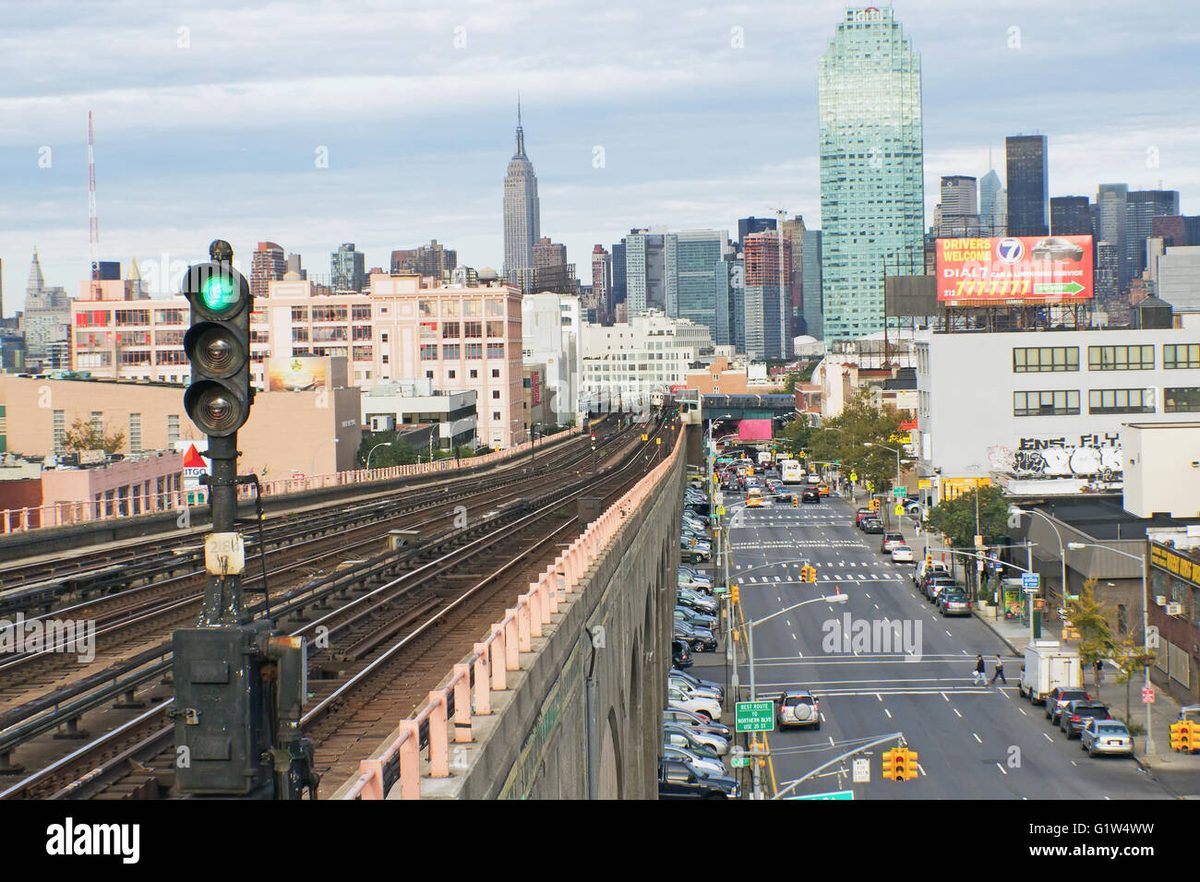
Queens Boulevard has long been one of New York City's most dangerous roads, earning the nickname 'Boulevard of Death' after more than 100 pedestrian fatalities since 1990. On August 28, 2026, the federal government moved to change that, awarding $27.4 million to the city's Department of Transportation to implement the Queens Boulevard Great Streets transformation and fund supplemental Vision Zero planning.

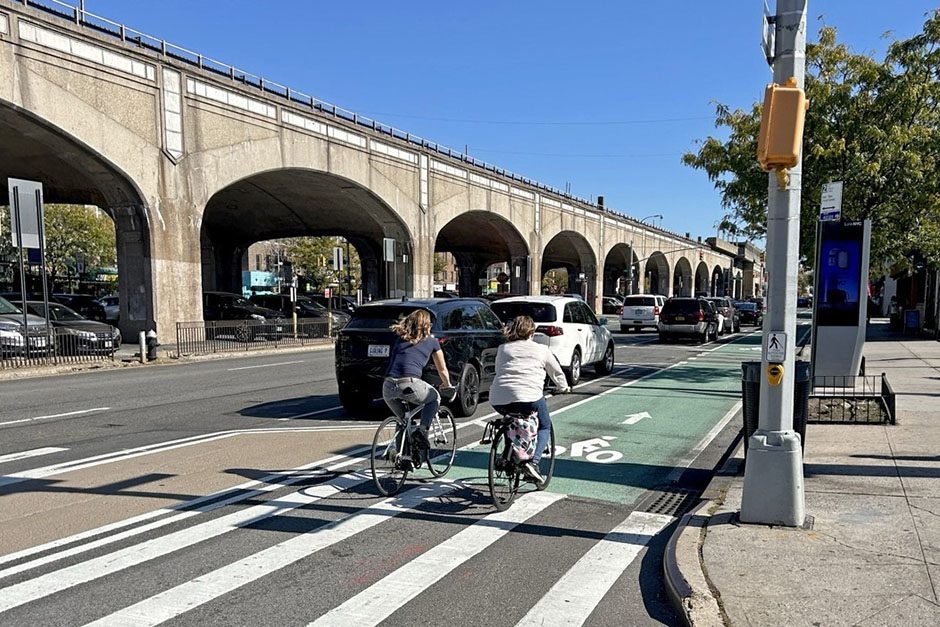
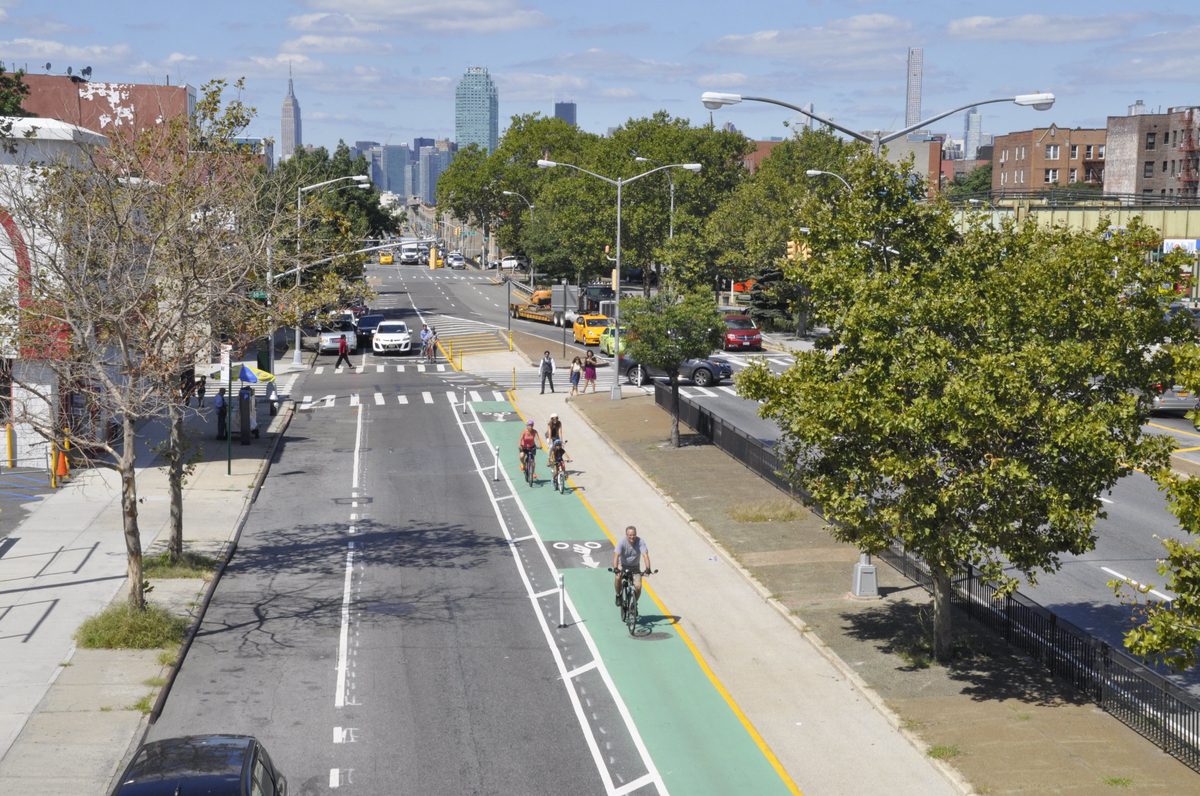
The grant comes from the Federal Highway Administration under the Infrastructure Investment and Jobs Act. It lets the city move from design to construction on a redesign that will narrow lanes, add protected bike paths, shorten crossing distances, and introduce other safety features. The award is an obligation, not a disbursement, meaning the money is reserved for the project but not yet spent.

Why it matters

If the redesign works, it could cut serious injuries and deaths on a road that has killed more than 100 people in 35 years, while becoming a template for other high-speed urban corridors.

Questions about this story

Free account needed to ask — your question is kept and asked for you right after sign-up. Answers are public.

No questions yet — be the first to ask.

Key Indicators

$27.4M
Federal grant awarded
Obligated by the Federal Highway Administration on Aug 28, 2026.
100+
Pedestrian fatalities since 1990
Historic death toll on Queens Boulevard that motivated the redesign.
7.5
Length of corridor (approx. 4.7 miles)
Queens Boulevard spans multiple neighborhoods in Queens.

Voices

Curated perspectives — historical figures and your fellow readers.

Ever wondered what historical figures would say about today's headlines?

Sign up to generate historical perspectives on this story.

People Involved

Organizations Involved

Timeline

October 2013 August 2026

5 events Latest: August 28th, 2026 · 4 weeks ago
Tap a bar to jump to that date
  1. Federal grant awarded to implement Great Streets

    Latest Funding

    FHWA obligates $27.4M to NYC DOT for implementation and supplemental Vision Zero planning.

  2. Queens Boulevard Great Streets plan unveiled

    Announcement

    City announces full redesign plan including wider sidewalks, new greenspace, and continuous safety improvements.

  3. First phase of Queens Boulevard safety upgrades completed

    Construction

    NYC DOT installs protected bike lanes, pedestrian islands, and reduced crossing distances on a section of the boulevard.

  4. NYC launches Vision Zero initiative

    Policy

    Mayor Bill de Blasio signs executive order to eliminate traffic deaths by 2024.

  5. Woman dies pushing stroller on Queens Boulevard

    Incident

    A pedestrian fatality that galvanized calls for street redesign.

Scenarios

1

Construction proceeds, transformation completed by 2029

Likely Resolves by End of 2029

Discussed by: NYC DOT officials, city planning analysts

The federal grant, combined with local funds, allows the city to begin construction in 2027. Work occurs in phases along the corridor. By 2029, the full redesign is operational, featuring protected bike lanes, new crosswalks, and green medians. The city documents a measurable drop in pedestrian injuries.

2

Legal challenge delays funding, project stalls

Possible Resolves by Q2 2027

Discussed by: Local news outlets, transportation advocates

Following the pattern of the Gateway Tunnel funding dispute, the Trump administration freezes or delays disbursement of the award, citing budget reviews. NYC and the state file suit to compel the release. Construction halts for months, and the project timeline slips to 2031.

3

Cost overruns force scaled‑back scope

Unlikely Resolves by End of 2028

Discussed by: Independent budget watchdog, Regional Plan Association

During design, construction costs rise beyond projections. The city uses the $27.4M plus local funds to implement only the highest‑priority safety elements—crosswalk improvements and intersection upgrades—while deferring the full 'Great Streets' buildout indefinitely.

Historical Context

2 moments from history that rhyme with this story — and how they unfolded.

1990-2013

The 'Boulevard of Death' era (1990s-2010s)

Queens Boulevard earned its grim nickname after repeated pedestrian fatalities. In 1997, a 7-year-old girl was killed crossing, and in 2013, a young mother died pushing her stroller. The city responded with piecemeal safety measures, but the street remained dangerous.

Then

Pressure mounted for more aggressive redesign, culminating in Vision Zero in 2014.

Now

These tragedies shaped NYC's commitment to street safety, leading to the current Great Streets plan.

Why this matters now

The federal grant is the latest step in a 30-year effort to undo the road's lethal design, demonstrating how public pressure and federal funding can drive urban transformation.

2009-2015

Broadway redesign in Times Square (2009-2015)

NYC closed sections of Broadway to cars in Times Square and Herald Square, converting them to pedestrian plazas. The redesign cut pedestrian injuries by 35% and sped up traffic on adjacent streets.

Then

The changes succeeded and were made permanent in 2013.

Now

They proved that shrinking car space can improve safety and commerce, influencing later projects like Queens Boulevard.

Why this matters now

The Queens Boulevard project follows the same playbook: reclaiming road space for pedestrians and cyclists, with federal backing to overcome cost barriers.

Sources

(4)

More from New York, NY

Openings, permits and council decisions in New York, NY, in your inbox every Monday.