
Pull to refresh
Logo
Hochul vetoes New York's AI accuracy warning bill

Hochul vetoes New York's AI accuracy warning bill

Rule Changes New York, NY local

The governor cited free-speech concerns and the measure's broad scope. Its sponsors say they'll try again next year.

Overview

Updated Yesterday

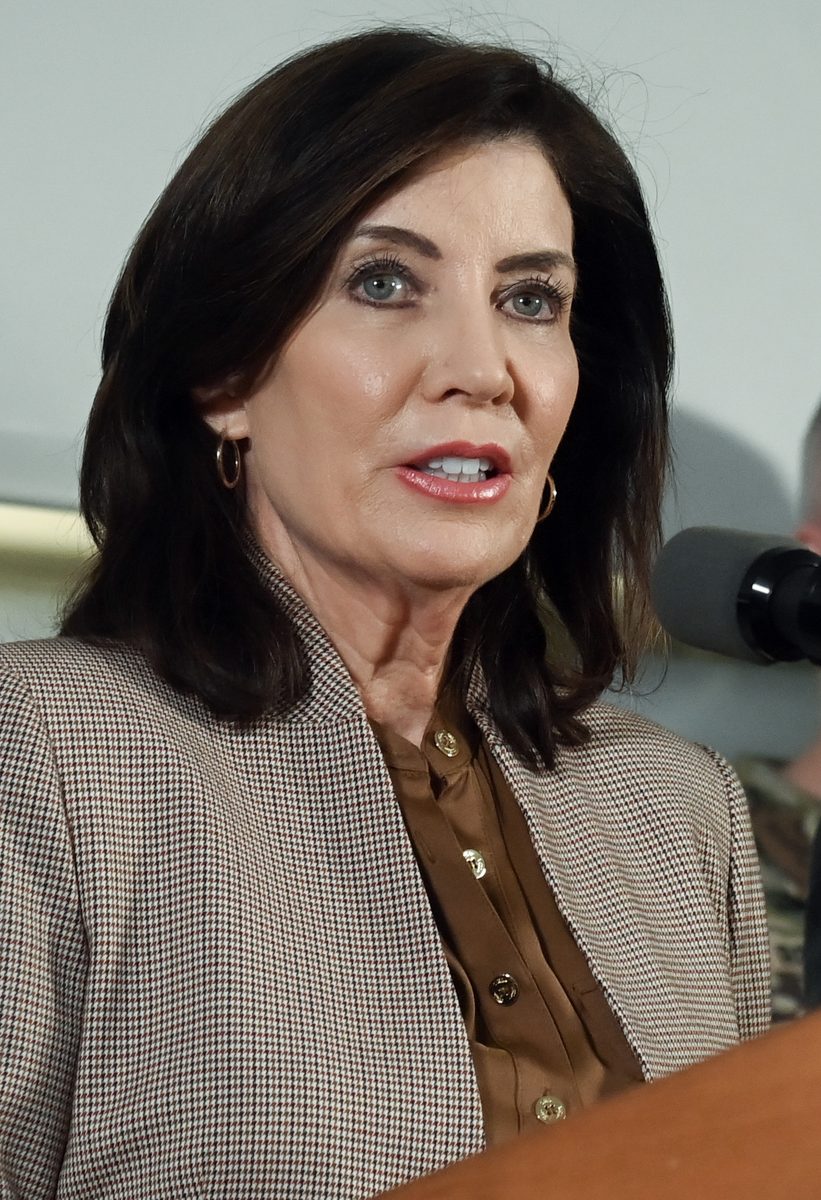
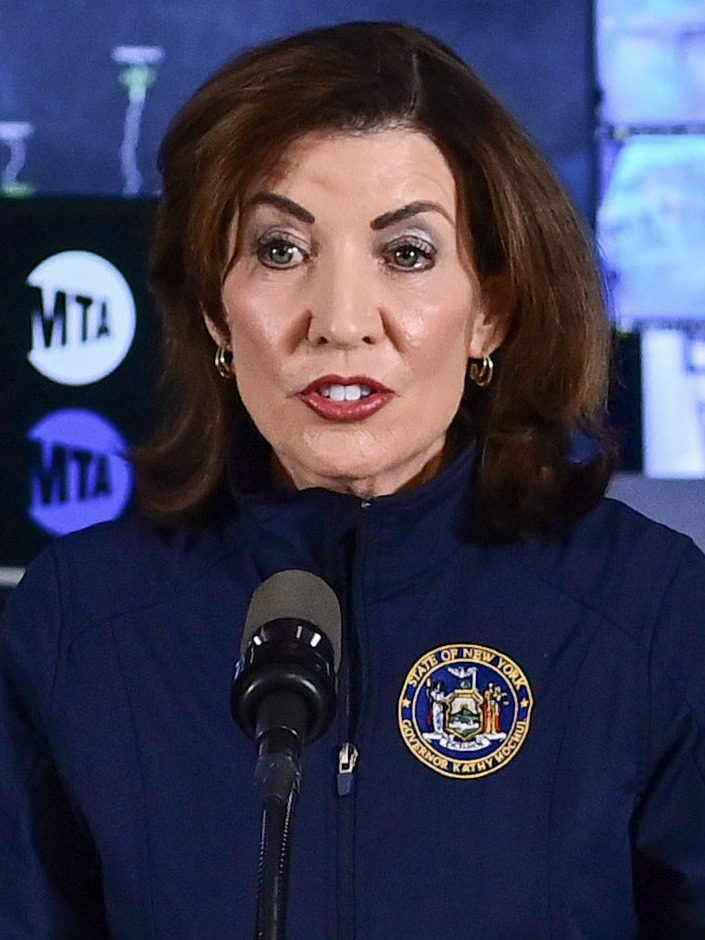
The New York State Legislature passed a bill this year requiring every generative AI platform to display a warning on its user interface that its output 'may be inaccurate.' It passed near-unanimously. On Friday, Nov. 20, Gov. Kathy Hochul vetoed it.

Hochul said the bill was too broad. It applied to AI used for fiction and images, not just chatbots answering questions, and she argued that could run into First Amendment limits. The veto leaves New York without a disclosure rule while the industry's warnings stay voluntary and inconsistent: ChatGPT puts one on screen, Grok keeps it in its terms of service.

Why it matters

New York's veto leaves AI accuracy disclosures to the companies themselves, so what users see still depends on which chatbot they open.

Last Monday's email for New York, NY

Sent Nov 23. It carried:

Get next Monday's: one short email a week. Free. Unsubscribe in one click.

Questions about this story

Free account needed to ask — your question is kept and asked for you right after sign-up. Answers are public.

No questions yet — be the first to ask.

Key Indicators

$100,000
Maximum penalty under the vetoed bill
Platforms that failed to display the required notice would have faced civil penalties up to this amount.
4
Chatbots that warned of inaccuracy, of eight tested
Assemblymember Clyde Vanel's office reviewed eight commonly used chatbots and found only half consistently flagged possible errors.
12+
Lawmakers whose names were tested on Meta AI
City & State prompted Meta's chatbot with more than a dozen legislators' names; most returned fabricated harassment allegations.

Voices

Curated perspectives — historical figures and your fellow readers.

Sign up to generate historical perspectives on this story.

People Involved

Organizations Involved

Timeline

2024 November 2026

4 events Latest: 4 days ago
Tap a bar to jump to that date
  1. Hochul vetoes the AI accuracy-warning bill

    Latest Veto

    The governor says the universal notice may violate the First Amendment and would reach expressive content that was never meant to be factual.

  2. Legislature passes AI accuracy-warning bill

    Legislation

    The Assembly and Senate approve the notice requirement by a near-unanimous margin, with penalties reaching $100,000 for noncompliance.

  3. Hochul imposes temporary data center moratorium

    Executive Action

    The governor unilaterally halts approvals for large-scale data centers, including facilities used by AI providers.

  4. Meta's chatbot invents harassment claims about New York lawmakers

    Incident

    Meta AI generated false sexual-harassment allegations against several state legislators, including Assemblymember Clyde Vanel and Sen. Kirsten Gonzalez.

Scenarios

1

Albany passes a narrower AI disclosure bill in 2027

Possible Resolves by Q2 2027

Discussed by: Assemblymember Clyde Vanel, the bill's Assembly sponsor, who said he would work with the governor's office on a compromise

Vanel said after the veto that he and the governor agree disclosure matters and differ only on how to write it. A narrower bill scoped to chatbots and research tools, rather than all generative AI, would blunt Hochul's objection that the mandate reaches fiction and images. Both chambers backed the broader version near-unanimously, which suggests the votes are there for a revised text.

2

Hochul signs the stricter data center moratorium

Uncertain Resolves by End of 2026

Discussed by: Gothamist's Albany coverage, which noted the separate moratorium bill awaiting action before the end of 2026

Lawmakers passed a stricter version of the data center moratorium Hochul imposed by executive order. Tech firms oppose it. The governor's decision is due by the end of the year and will signal how far she is willing to go against the AI industry in an election year, after siding with it on disclosure.

3

No New York AI warning law, and industry notices stay voluntary

Possible Resolves by End of 2027

Discussed by: Trade groups representing OpenAI and Meta, which lobbied against the bill and favor companies setting their own disclosure

If the compromise stalls, the status quo holds. ChatGPT keeps its in-interface warning, Grok keeps its terms-of-service note, and no state agency sets a standard. Voluntary disclosure has already produced the inconsistency the bill's sponsors cited, so a stall would lock that patchwork in place.

Historical Context

3 moments from history that rhyme with this story — and how they unfolded.

August 2012

FDA graphic cigarette warnings struck down (2012)

The Food and Drug Administration required cigarette packs to carry large graphic images of tobacco's health effects. Tobacco companies sued, arguing the labels forced them to carry the government's anti-smoking message rather than their own.

Then

A federal appeals court ruled 2-1 that the requirement violated the First Amendment, and the FDA abandoned the specific images.

Now

The case set a test for compelled commercial warnings: they must be factual and not unduly burden the speaker's own message.

Why this matters now

Hochul's veto message uses the same logic. A notice that applies to fiction, art and entertainment, not just factual answers, is harder to defend as neutral disclosure.

November 1990

Nutrition Labeling and Education Act (1990)

Congress required standardized nutrition panels on nearly all packaged food, replacing a mix of voluntary and state-level rules with one federal format.

Then

The panels took effect in 1994 after industry pushback over cost and format.

Now

The nutrition panel became the reference model for mandatory consumer disclosure in the United States.

Why this matters now

It shows the path that works: a standardized, factual disclosure applied uniformly. Supporters of the New York bill argued their notice was the same kind of thing.

August 2024

EU AI Act transparency rules (2024)

The European Union's AI Act entered into force. Its Article 50 requires providers and users of generative AI to disclose when people are interacting with a machine and when content is synthetic.

Then

The transparency obligations apply from August 2026, two years after entry into force.

Now

The EU tied disclosure to specific contexts, such as chatbots, deepfakes and synthetic media, rather than imposing one notice on every generative system.

Why this matters now

That context-specific design is close to what Hochul said she wanted and what Vanel says he will draft for the 2027 session.

Sources

(3)