

Pull to refresh
Logo
NYPD narrows spitting and idling summonses after quality-of-life complaints

NYPD narrows spitting and idling summonses after quality-of-life complaints

Rule Changes New York, NY local

Internal guidance limits spitting tickets to transit and idling tickets to complaint responses.

Overview

Updated 59 minutes ago

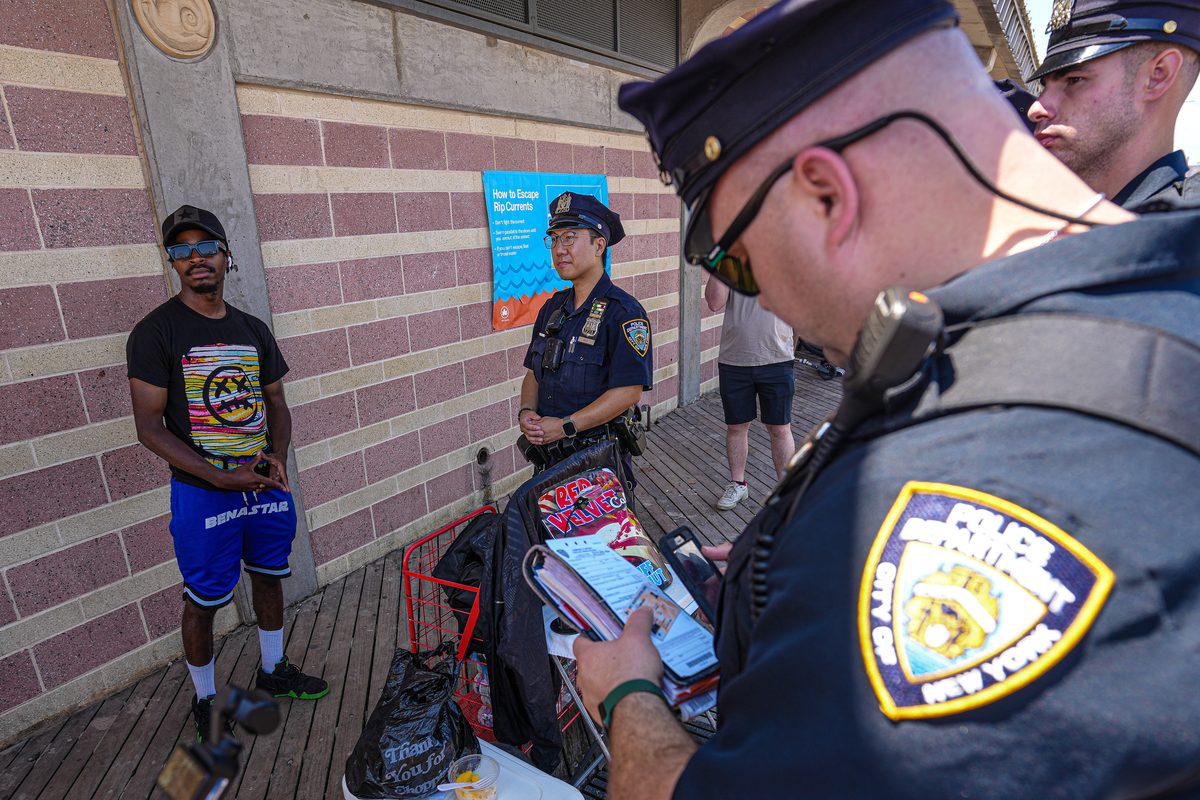
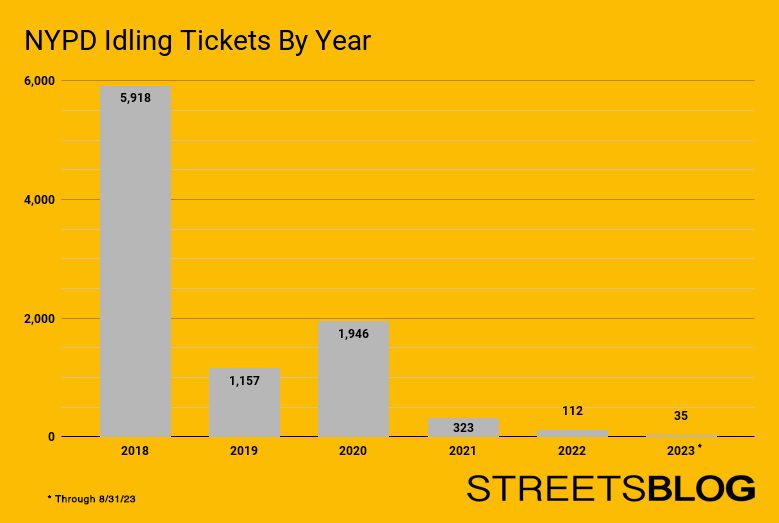
The New York Police Department told officers on Friday to stop issuing summonses for spitting except in the transit system, and for vehicle idling except when responding to specific complaints. The internal guidance also cautioned against jaywalking summonses, which have not been criminal offenses since 2024.

The order came after complaints about quality-of-life enforcement. In October, a video of an officer arresting someone for spitting in Brownsville drew criticism, and City Councilmember Chris Banks said he would introduce a bill to remove spitting from the city's litter ordinance. The department wrote 220,802 quality-of-life summonses in fiscal year 2026, more than triple the total in fiscal 2022.

Why it matters

The NYPD's retreat on two low-level offenses tests whether New York can address disorder complaints without relying on summonses that often get dismissed.

Last Monday's email for New York, NY

Sent Nov 9. It carried:

Get next Monday's: one short email a week. Free. Unsubscribe in one click.

Questions about this story

Free account needed to ask — your question is kept and asked for you right after sign-up. Answers are public.

No questions yet — be the first to ask.

Key Indicators

220,802
Quality-of-life summonses, FY2026
Up 13% from FY2025 and more than triple the FY2022 total, per the Mayor's Management Report.
549
Civil spitting summonses, last fiscal year
Written in the fiscal year ending June 2026, according to the city hearing and trials office.
222
Civil engine-idling tickets, last fiscal year
Same fiscal year, according to the city hearing and trials office.
98,000
Civil tickets for open containers, public urination and similar
Nearly half were dismissed as defectively written or as failing to identify the recipient.
65%
Criminal summons cases dismissed in 2024
Judges threw out cases over ticket errors; just 9% ended in a conviction.

Voices

Curated perspectives — historical figures and your fellow readers.

Sign up to generate historical perspectives on this story.

People Involved

Organizations Involved

Timeline

2024 November 2026

6 events Latest: 3 days ago
Tap a bar to jump to that date
  1. NYPD issues guidance curbing spitting and idling tickets

    Latest Policy

    Directive limits spitting tickets to transit and idling tickets to complaint responses; it also cautions on jaywalking.

  2. Video of Brownsville spitting arrest draws criticism

    Incident

    An officer forcefully arrests someone stopped for spitting; Councilmember Chris Banks condemns the response.

  3. Banks announces bill to strike spitting from litter ordinance

    Legislation

    The bill would remove spitting from the city's litter law after the arrest video.

  4. Fiscal year ends with 220,802 quality-of-life summonses

    Data

    The total is up 13% from the prior year and more than triple the fiscal 2022 figure.

  5. NYPD launches Quality of Life Division

    Policy

    Commissioner Jessica Tisch starts the division in five precincts with a plan to expand citywide.

  6. City Council legalizes jaywalking

    Law

    The Council passes a bill legalizing jaywalking, and then-Mayor Eric Adams does not veto it.

Scenarios

1

City Council passes bill removing spitting from litter ordinance

Possible Resolves by Q2 2027

Discussed by: Councilmember Chris Banks announced the bill; no vote has been reported.

Banks said he would introduce the bill after the Brownsville arrest video. If it passes, spitting would no longer be a litter-law violation, though transit rules could still apply. The Council would need to pass it and Mayor Zohran Mamdani would need to sign it.

2

NYPD writes narrower quality-of-life rules into Patrol Guide

Possible Resolves by Q1 2027

Discussed by: Department spokespeople called the Nov. 6 guidance routine; no Patrol Guide change has been reported.

The internal guidance could remain a memo or become a formal Patrol Guide rule. Formalization would make the limits on spitting and idling tickets harder to reverse without a new order.

3

Quality-of-life summonses fall in fiscal 2027

Possible Resolves by Oct 31, 2027

Discussed by: City data show a sharp rise through fiscal 2026; no official forecast for fiscal 2027 has been reported.

The guidance covers only spitting, idling and jaywalking cautions, so overall summonses could stay high. A decline would signal the department is pulling back more broadly from low-level enforcement.

Historical Context

2 moments from history that rhyme with this story — and how they unfolded.

2024

New York City jaywalking legalization (2024)

The City Council passed a bill legalizing jaywalking, and then-Mayor Eric Adams did not veto it. The NYPD stopped issuing jaywalking summonses but continued enforcement of a similar violation called "pedestrian in the roadway." Most of those tickets this year came from one Staten Island precinct.

Then

The legal change did not end police contact over street crossings; it shifted the charge.

Now

The Nov. 6 guidance cautioned officers against jaywalking summonses, showing how old enforcement patterns can persist after a law changes.

Why this matters now

It explains why the NYPD's new guidance mentions jaywalking even though the offense is no longer criminal.

1990s

Broken-windows policing in New York

New York police prioritized low-level disorder like public drinking and urination. Supporters said it improved neighborhood order; critics said it disproportionately targeted Black and brown residents.

Then

The approach became a central part of New York policing and a target for civil-rights criticism.

Now

Later police leaders and critics still argue over whether low-level enforcement improves safety or burdens minority neighborhoods.

Why this matters now

The current Quality of Life Division and the criticism it faces repeat that argument over disorder and fairness.

Sources

(3)