

Pull to refresh
Logo
Strand Bookstore settles ineligible pandemic loan case

Strand Bookstore settles ineligible pandemic loan case

Rule Changes New York, NY local

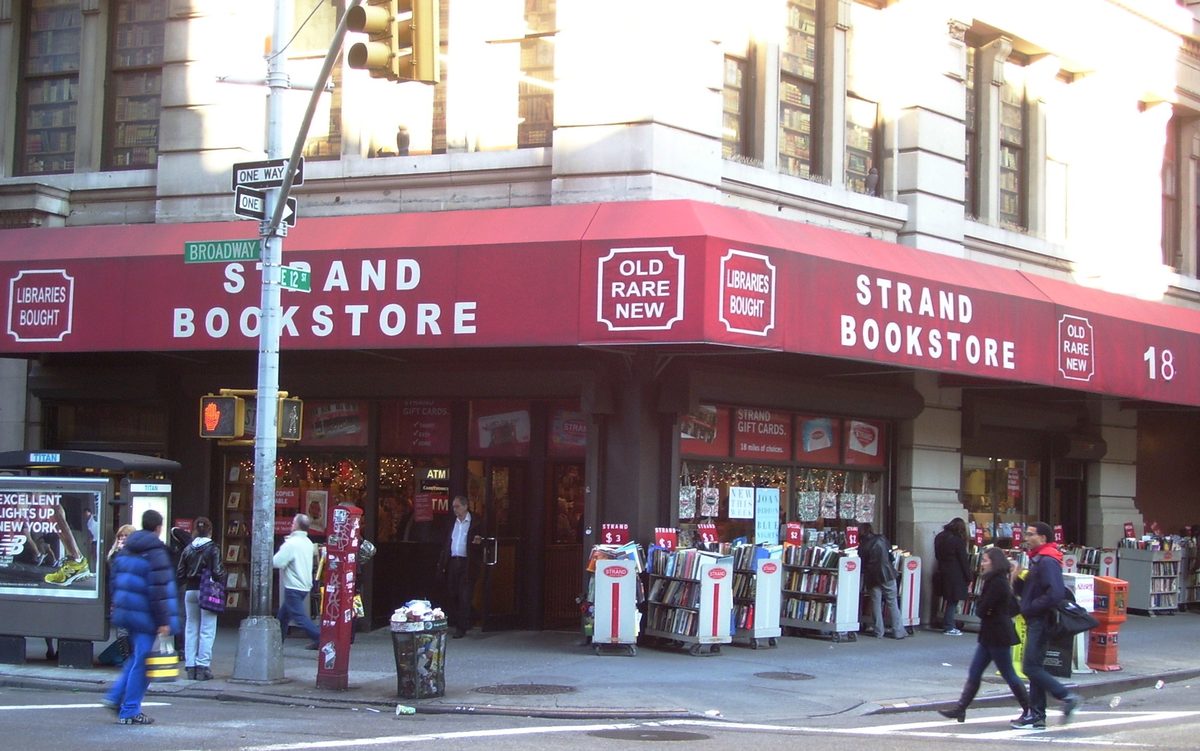
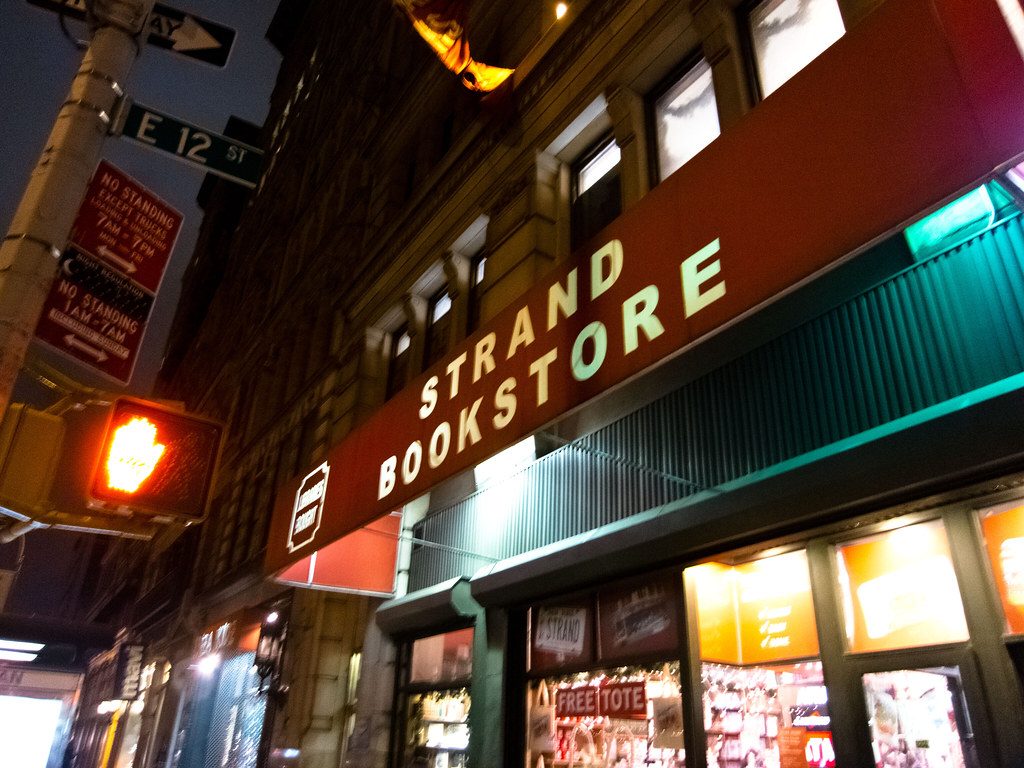
The Union Square store will pay nearly $1.5 million over a $932,350 PPP loan it received while owned by Sen. Ron Wyden's wife.

Overview

Updated 39 minutes ago

The Strand, the Union Square bookstore known for "18 miles of books," agreed to pay $1,482,560 to settle claims that it wrongly received a $932,350 pandemic loan. The loan came in February 2021 from the Paycheck Protection Program (PPP), which Congress had barred for businesses controlled by a member of Congress or their spouse.

The store is owned by Nancy Bass Wyden, wife of Oregon Democratic Sen. Ron Wyden. The settlement resolves a whistleblower suit under the False Claims Act, which lets private parties sue on the government's behalf and share in recoveries; the store says the mistake was unintentional and that its accountant and bank were unaware of the restriction.

Why it matters

The case shows how a narrow ethics rule attached to pandemic aid can turn into a seven-figure False Claims Act payout years later.

Last Monday's email for New York, NY

Sent Nov 2. It carried:

Get next Monday's: one short email a week. Free. Unsubscribe in one click.

Questions about this story

Free account needed to ask — your question is kept and asked for you right after sign-up. Answers are public.

No questions yet — be the first to ask.

Key Indicators

$1,482,560
Civil settlement
Amount the Strand agreed to pay to resolve the False Claims Act allegations.
$932,350
Second-draw PPP loan
Loan the Strand received in February 2021.
$148,256
Whistleblower share
Approximate amount Blockquote Inc. will receive from the settlement.

Voices

Curated perspectives — historical figures and your fellow readers.

Sign up to generate historical perspectives on this story.

People Involved

Organizations Involved

Timeline

March 2020 November 2026

5 events Latest: Yesterday
Tap a bar to jump to that date
  1. Strand applies for second-draw PPP loan

    Loan application

    Strand applies for a $932,350 second-draw PPP loan.

  2. Congress bars spouse-controlled PPP loans

    Legislation

    Congress bars second-draw PPP loans to businesses controlled by lawmakers or spouses.

  3. Congress creates PPP

    Legislation

    Congress creates the Paycheck Protection Program in the CARES Act.

Scenarios

1

Settlement ends with no further charges

Likely Resolves by Nov 3, 2027

Discussed by: CNBC and the U.S. Attorney's Office for the District of Columbia

The civil settlement resolves the False Claims Act claims, and the U.S. Attorney's Office said there was no determination of liability. If no new criminal or civil case follows, the Strand and Nancy Bass Wyden close the matter with the payment.

2

Whistleblower docket is unsealed

Possible Resolves by May 3, 2027

Discussed by: CNBC, which noted the docket remains sealed

The qui tam lawsuit filed by Blockquote Inc. is sealed from public view. A court could unseal the docket, revealing the original allegations and how the government handled the case.

Historical Context

3 moments from history that rhyme with this story — and how they unfolded.

March 2020

Paycheck Protection Program (2020)

Congress created the Paycheck Protection Program in the CARES Act, offering forgivable loans to small businesses hit by pandemic shutdowns. The program became a major source of relief and later added eligibility limits.

Then

The program lent money quickly to businesses across the country.

Now

Later rounds added restrictions, including the December 2020 ban at issue in the Strand case.

Why this matters now

The Strand's loan came in the second round, after Congress barred businesses controlled by lawmakers or their spouses.

April 2020

Ruth's Chris and Shake Shack return PPP loans (2020)

Public companies faced backlash for receiving PPP loans meant for small businesses. Ruth's Chris and Shake Shack returned the money.

Then

The Small Business Administration tightened eligibility guidance.

Now

High-profile borrowers became a template for public scrutiny of PPP recipients.

Why this matters now

The Strand case shows a different trigger: a statutory bar tied to a congressional spouse, enforced years later.

1863

False Claims Act qui tam actions (1863)

Congress passed the False Claims Act during the Civil War to punish contractors who defrauded the Union. It lets private citizens sue on the government's behalf and share in recoveries.

Then

The law became a tool for fraud enforcement.

Now

1986 amendments strengthened whistleblower incentives.

Why this matters now

Blockquote Inc. used this mechanism and will receive about $148,256 of the Strand settlement.

Sources

(3)