

Pull to refresh
Logo
Nvidia launches CUDA-Q Logical, a design layer for fault-tolerant quantum computers

Nvidia launches CUDA-Q Logical, a design layer for fault-tolerant quantum computers

New Capabilities

New orchestration layer cuts fault-tolerant algorithm development from five months to three weeks at Fermilab

Yesterday: NVIDIA announces CUDA-Q Logical

Overview

Updated 14 minutes ago

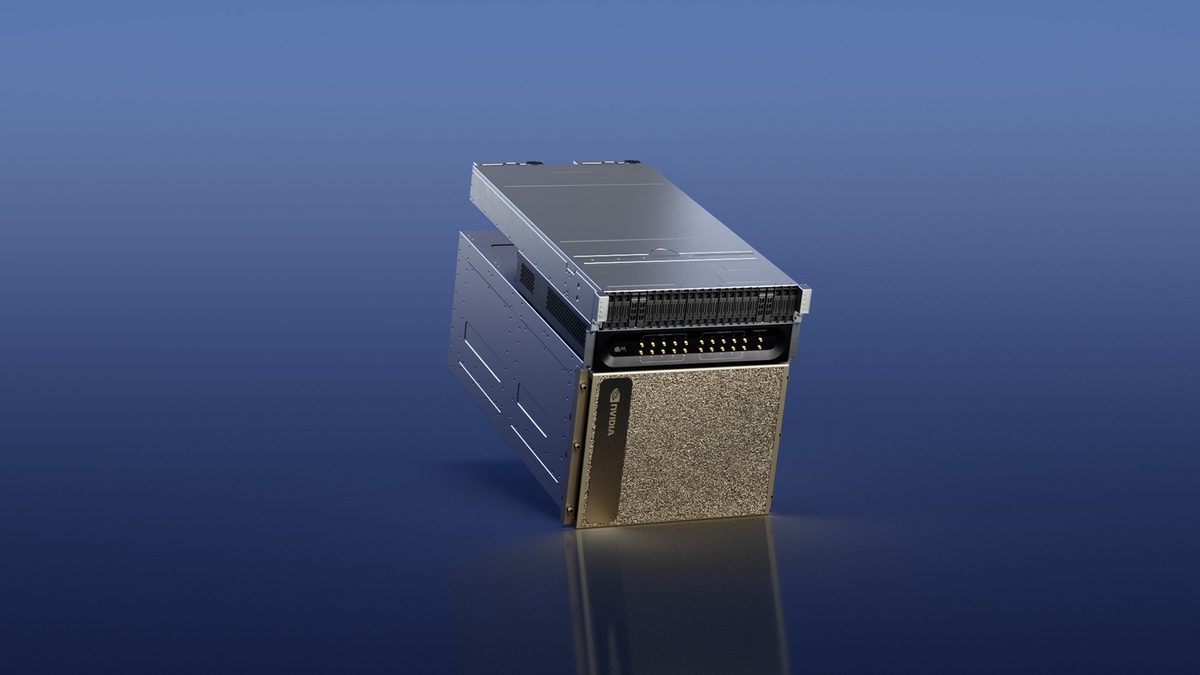
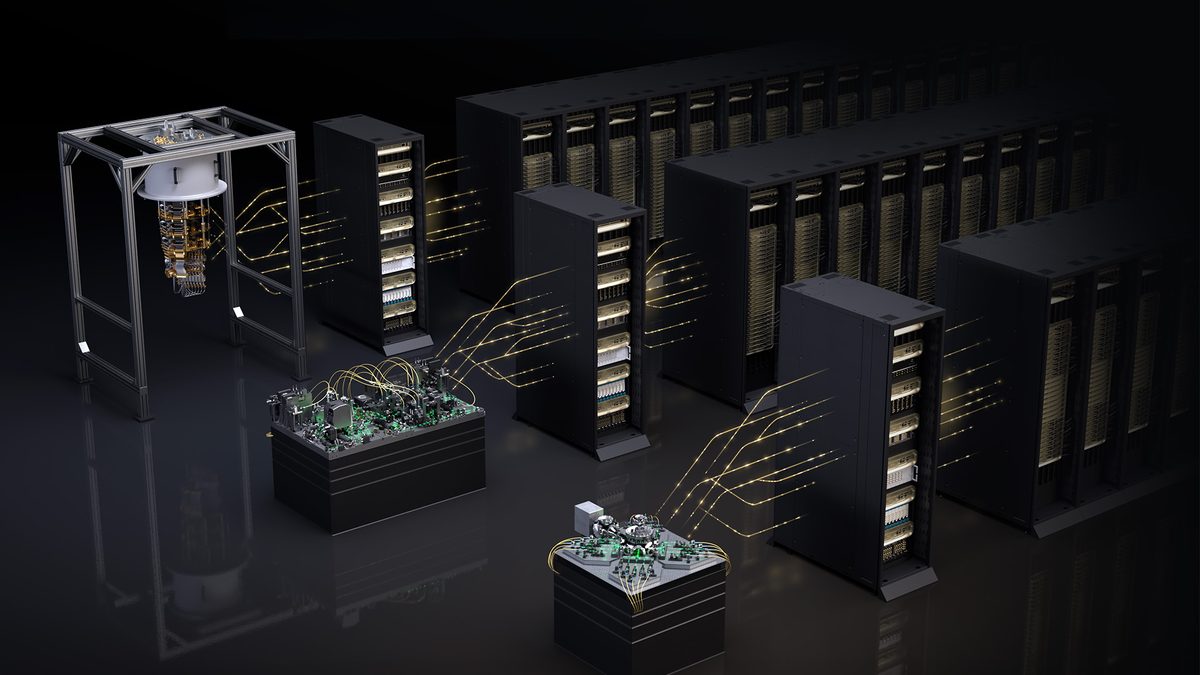
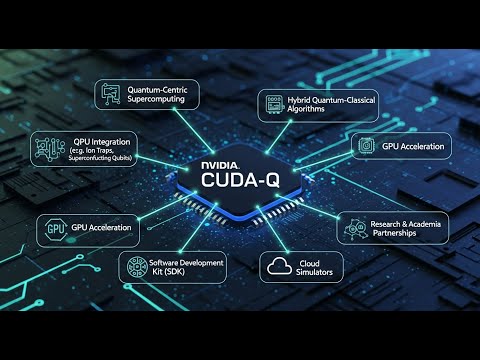
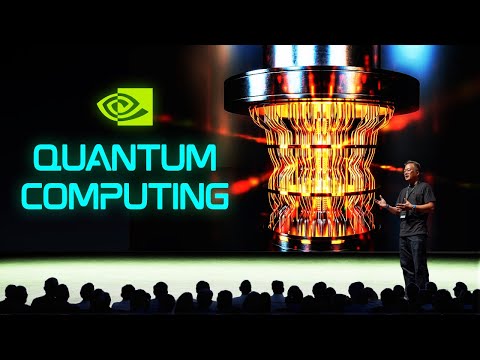
Designing software for fault-tolerant quantum computers has meant rebuilding the toolchain every time a hardware maker changes its qubit type or error-correction code. Nvidia's CUDA-Q Logical, announced Sep 14, gives researchers a single programmable layer to model algorithms, error-correction methods, and processor architectures side-by-side before building hardware.

Early results are sharp. Fermilab cut fault-tolerant algorithm development from five months to three weeks. Infleqtion designed a high-rate error-correction code using about six physical qubits per logical qubit. The battle over who controls the software layer of quantum computing is now part of the hardware race.

Why it matters

Whoever owns the design toolchain for fault-tolerant quantum computing shapes which hardware architectures, error-correction codes, and applications actually get built.

Questions about this story

Free account needed to ask — your question is kept and asked for you right after sign-up. Answers are public.

No questions yet — be the first to ask.

Key Indicators

21 days
Fermilab fault-tolerant development time
Down from five months, a 7x speedup using CUDA-Q Logical.
6:1
Infleqtion physical-to-logical qubit ratio
High-rate error-correction code uses about six physical qubits per logical qubit, roughly a 5x improvement over surface-code approaches.
150,000
Physical qubits for 1,000 logical qubits
Iceberg Quantum's modeled architecture for Diraq's qubits, roughly 10x fewer than Diraq's previous estimates.

Voices

Curated perspectives — historical figures and your fellow readers.

Ever wondered what historical figures would say about today's headlines?

Sign up to generate historical perspectives on this story.

People Involved

Organizations Involved

Timeline

1 event Latest: Yesterday
  1. NVIDIA announces CUDA-Q Logical

    Latest Product Launch

    New orchestration layer lets developers model algorithms, error-correction codes, and processor architectures side-by-side. Fermilab reports 7x faster fault-tolerant development; QUOPS benchmark from Sandia debuts in the platform.

Scenarios

1

CUDA-Q Logical becomes the industry-standard toolchain for fault-tolerant quantum

Possible Resolves by End of 2027

Discussed by: NVIDIA executives and early partners including Fermilab and Infleqtion

NVIDIA's play mirrors its CUDA strategy for GPUs: make the design layer so good that hardware makers have to support it. If IBM Quantum or Google Quantum AI publicly adopts CUDA-Q Logical for production fault-tolerant design work, the platform becomes the de facto standard, and quantum hardware makers compete on qubit quality while NVIDIA controls the software stack above them.

2

CUDA-Q Logical stays within NVIDIA's partner ecosystem

Likely Resolves by End of 2027

Discussed by: Observers noting IBM's and Google's competing investments in their own quantum software stacks

Adoption remains limited to NVIDIA's announced partners: Fermilab, Infleqtion, IQM, Quantum Motion, Diraq, and Sandia. IBM continues pushing Qiskit and Google its own tools, and fault-tolerant design work fragments across proprietary and open-source stacks, with CUDA-Q Logical a strong player but not the standard.

3

Competing open standard for fault-tolerant quantum design emerges

Unlikely Resolves by End of 2027

Discussed by: Qiskit ecosystem developers and the open-source quantum community

A consortium-backed or community-driven toolchain (built on IBM's Qiskit or a new standard) reaches production maturity and is adopted by major hardware makers, splitting the design-tool market and preventing any single vendor from controlling the fault-tolerant quantum software layer.

Historical Context

2 moments from history that rhyme with this story — and how they unfolded.

2006

NVIDIA's CUDA platform launch (2006)

NVIDIA introduced CUDA, a parallel computing platform that made its graphics processing units programmable for general scientific and engineering workloads. Before CUDA, GPUs were primarily for graphics; researchers had to write assembly-level shader code to use them for computation.

Then

CUDA unlocked GPUs for AI training and HPC, creating a wave of startups and research around GPU computing.

Now

CUDA became the dominant software layer for AI, giving NVIDIA a software moat that competitors have spent years trying to erode.

Why this matters now

CUDA-Q Logical is the same playbook applied to quantum. NVIDIA is betting that whoever owns the software layer above fault-tolerant hardware controls the market, regardless of which qubit technology wins.

1980s

EDA tools transform chip design (1980s)

Before electronic design automation (EDA), chip designers drew circuits by hand and simulated them with bespoke scripts. Companies like Cadence and Synopsys automated layout and verification, letting engineers design chips with millions of transistors they never physically touched.

Then

Chip design became faster, cheaper, and reproducible, fueling the microprocessor era.

Now

The EDA industry became a permanent, multi-billion-dollar layer between chipmakers and fabrication, and the same companies still dominate it today.

Why this matters now

CUDA-Q Logical is attempting for quantum hardware what EDA tools did for semiconductors: turn painful, per-architecture manual design into standardized, repeatable tooling. If it works, NVIDIA could occupy the same chokepoint position in quantum that Cadence and Synopsys hold in chips.

Sources

(8)