
Pull to refresh
Logo
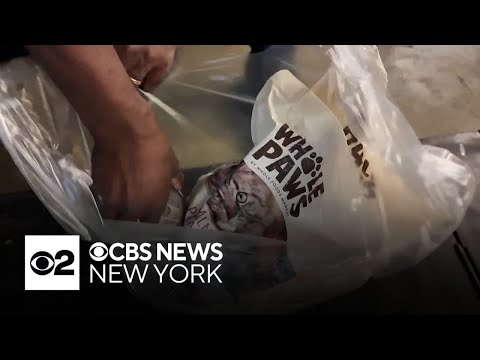
NYC food pantries now stock free pet food for struggling households

NYC food pantries now stock free pet food for struggling households

New Capabilities

City spends $500,000 to keep pets with families who can't afford them

Yesterday: Pantries begin distributing; some await first delivery

Overview

Updated 55 minutes ago

For the first time, New York City is giving away free dog and cat food at 22 city-funded food pantries across all five boroughs. The $500,000 program launched Oct 19, four days after Mayor Zohran Kwame Mamdani, the City Council, the Mayor's Office of Animal Welfare (MOAW) and the Department of Social Services (DSS) announced it.

The program targets a specific trade-off. When money gets tight, owners skip their own meals before letting animals go hungry, and some surrender pets they can't feed. Pantry workers have watched this for years. Sites like The Campaign Against Hunger in Brooklyn and The Father's Heart Ministries in Manhattan now stock dry and canned food for dogs and cats, with brands including Gravy Train, Purina One, and 9 Lives.

The pet food pilot sits inside a bigger shift. The Mamdani administration tripled baselined funding for DSS's Community Food Connection program, which supports more than 700 pantries citywide, to $78 million for fiscal year 2027. The additional $500,000 covers pet food at the 22 participating locations.

Why it matters

For New Yorkers who would otherwise skip meals or surrender a pet, free pantry pet food removes an impossible choice.

Questions about this story

Free account needed to ask — your question is kept and asked for you right after sign-up. Answers are public.

No questions yet — be the first to ask.

Key Indicators

$500,000
City funding for pet food at pantries
Covers free dog and cat food at 22 locations across five boroughs.
22
Pantries offering free pet food
Spread across the Bronx, Brooklyn, Manhattan, Queens, and Staten Island.
$78M
FY2027 food distribution funding
Tripled baseline for DSS Community Food Connection, supporting more than 700 pantries.
700+
Food pantries in city network
Supported by the Community Food Connection program citywide.

Voices

Curated perspectives — historical figures and your fellow readers.

Ever wondered what historical figures would say about today's headlines?

Sign up to generate historical perspectives on this story.

People Involved

Organizations Involved

Timeline

3 events Latest: Yesterday
  1. Pantries begin distributing; some await first delivery

    Latest Rollout

    The Father's Heart Ministries starts Saturday distribution; Trinity's Services and Food for the Homeless expects delivery later in the month.

  2. Free pet food arrives at 22 pantries

    Launch

    Dog and cat food becomes available at participating pantries in all five boroughs.

  3. Mayor, Council, DSS, MOAW unveil pet food pilot

    Announcement

    Mayor Mamdani and city agencies announce $500,000 plan for free pet food at 22 pantries, starting Oct 19.

Scenarios

1

Pet food program expands beyond 22 pantries

Likely Resolves by Q2 2027

Discussed by: Pantry directors and city officials, citing demand from households hit by SNAP benefit cuts

If demand stays strong, the mayor's office could add sites or boost funding in the next budget cycle. City Council members who co-funded the program have framed it as a safety-net expansion, and pantry directors report steady requests. Expansion would likely be announced with the FY2028 budget.

2

Pet food becomes a permanent city budget line

Possible Resolves by Jul 31, 2027

Discussed by: Mayor's office, which framed the program inside a broader food distribution expansion

Pet food could be folded into annual Community Food Connection baselines, making it a standing service rather than a pilot. That would require the FY2028 city budget to include recurring pet food funding, signaling the program is no longer a one-time allocation.

3

Initial funding runs out; program stalls

Possible Resolves by Q2 2027

Discussed by: Budget observers noting the $500,000 is a one-time allocation

If the money is spent and not renewed, pantries lose the city funding and return to grant-chasing for pet food, the situation The Campaign Against Hunger faced before the program. The program would quietly end or shrink to pantries that raise their own funds.

Historical Context

2 moments from history that rhyme with this story — and how they unfolded.

March 2020 – February 2023

SNAP emergency allotments (2020–2023)

During the pandemic, the federal government gave Supplemental Nutrition Assistance Program (SNAP) households extra monthly benefits under emergency allotments. When Congress let them expire in early 2023, food banks across the country reported a sharp jump in demand within weeks.

Then

Millions of households lost $90–$250 per month in food assistance almost overnight, and pantry visits spiked.

Now

The episode showed that food assistance expansions respond fast to need, and that cuts hit the same households just as fast.

Why this matters now

St. John's Bread and Life said demand for its pantry grew after clients saw SNAP benefits reduced. The city's pet food program launched months after those cuts, aiming to fill a gap in household budgets that now includes pets.

2008–2009

Great Recession food bank surge (2008–2009)

As unemployment climbed toward 10%, the Feeding America food bank network saw record demand. Many food banks that had served working families expanded hours and pantry locations to keep up, and a wave of new pantries opened in low-income neighborhoods.

Then

Food banks became a regular stop for newly unemployed families, not just the chronically poor.

Now

The network that expanded during the recession became permanent infrastructure, still operating years later.

Why this matters now

The same dynamic is visible now: economic strain pushes food assistance beyond its usual client base. The pet food program extends that safety net one step further, to the animals in those households.

Sources

(7)