
Overview
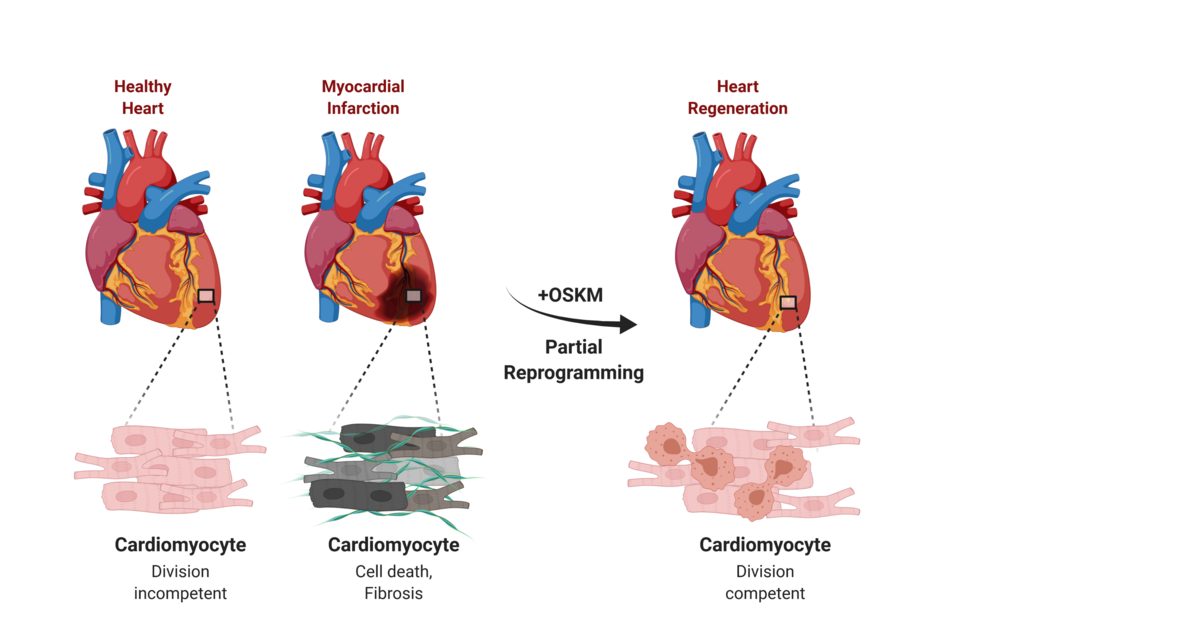
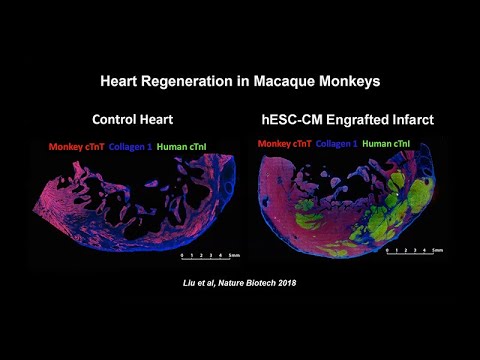
Researchers just demonstrated they can regenerate heart muscle using reprogrammed stem cells—and for the first time, proved these patches work in a human patient. In January 2025, a 46-year-old woman with advanced heart failure received 10 patches containing 400 million stem cell-derived heart muscle cells. Three months later, when she received a transplant, examination of her original heart revealed the patches had survived, formed blood vessels, and integrated with her heart tissue. When your heart suffers a heart attack, scar tissue normally replaces dead muscle cells permanently. Adult human hearts renew less than 1% of their cells per year. This damage has been irreversible—until now.
Scientists are closing in on therapies that could rewrite that script. They're discovering immune mechanisms that trigger regeneration in newborns, coaxing ordinary cells into beating heart muscle, and engineering patches of living tissue delivered through tiny chest incisions. A January 2026 breakthrough revealed CD4+ regulatory T cells control a key protein (MRG15) that enables neonatal hearts to regenerate—offering a potential vaccine-based approach to reactivate dormant repair pathways in adults. With 19.8 million people dying annually from cardiovascular disease and clinical trials now enrolling patients in Germany, this isn't just lab curiosity—it's a race approaching the finish line.
Key Indicators
People Involved
Organizations Involved
Leading development of engineered heart tissue patches from reprogrammed cells.
Developed AD-NP1, first-in-class drug for cardiac tissue repair approved by FDA.
Regulates stem cell therapies and regenerative medicine products.
Leading research in stem cell-based cardiac tissue regeneration.
Conducting advanced clinical trials testing off-the-shelf iPSC-derived heart muscle patches.
Discovered CD4+ Treg cells as master regulators of heart regeneration mechanism.
Timeline
-
Researchers regenerate heart muscle from reprogrammed stem cells
ResearchLab demonstration of heart muscle regeneration using reprogrammed stem cells advances repair for heart attack damage.
-
CUHK discovers CD4+ Treg cells control heart regeneration
Scientific BreakthroughChinese University of Hong Kong team identifies CD4+ regulatory T cells as master regulators of MRG15 protein, the key mechanism enabling neonatal heart regeneration. Published in Circulation.
-
Mayo unveils minimally invasive tissue patch
ResearchMayo Clinic develops foldable stem cell patch deliverable through small chest incision, avoiding open-heart surgery.
-
FDA approves first cardiac regeneration drug for trials
RegulatoryUCLA's AD-NP1 becomes first-in-class heart tissue regeneration drug cleared for Phase I human testing.
-
First human patient receives stem cell heart patches
Clinical Trial46-year-old woman with advanced heart failure receives 10 patches containing 400 million iPSC-derived heart muscle cells. Post-transplant analysis shows patches survived, formed blood vessels, and integrated with heart tissue. Published in Nature.
-
Late-stage clinical trial enrolls 15 heart failure patients
Clinical TrialUniversity Medical Center Göttingen advances stem cell heart patch therapy to late-stage trial with 15 patients enrolled, testing off-the-shelf iPSC-derived patches containing up to 200 million cells.
-
Clemson develops silicon nanowire tissue engineering
ResearchResearchers combine stem cells with silicon nanowires to improve electrical connectivity in lab-grown heart tissue.
-
Phase III trial improves quality of life
Clinical TrialLargest heart attack stem cell study shows patients report lessened daily hardship with optimized stem cell therapy.
-
$23.6M fundraising for cardiac regeneration
FundingCanada's McEwen Stem Cell Institute launches major campaign to build global team for heart disease treatments.
-
UW engineers arrhythmia-free stem cells
Scientific BreakthroughUniversity of Washington team solves major safety obstacle by creating stem cells that don't trigger dangerous heart rhythms.
-
Clinical trial shows 65% reduction in cardiovascular events
Clinical TrialUniversity of Miami trial demonstrates stem cell therapy reduces heart attacks and strokes by 65% in heart failure patients.
-
USF launches $20M+ regenerative medicine center
FundingDa-Zhi Wang establishes Center for Regenerative Medicine with major NIH backing to focus on cardiac repair.
-
Mayo Clinic discovers stem cell repair mechanism
ResearchMayo researchers find cardiopoietic stem cells reverse two-thirds of disease-induced cellular changes in heart failure.
-
Nobel Prize awarded for cell reprogramming
RecognitionYamanaka and John Gurdon win Nobel Prize in Physiology or Medicine for discovering mature cells can be reprogrammed.
-
Human cell reprogramming achieved
Scientific BreakthroughTwo independent teams successfully reprogram human adult cells into iPSCs, opening pathway to patient-specific therapies.
-
Yamanaka discovers induced pluripotent stem cells
Scientific BreakthroughShinya Yamanaka identifies four genes that can reprogram adult mouse cells into pluripotent stem cells, eliminating need for embryonic cells.
Scenarios
Stem Cell Patches Reach Clinical Practice by 2030
Discussed by: Mayo Clinic researchers, market analysts at Grand View Research, academic reviews in npj Regenerative Medicine
Mayo's minimally invasive patch delivery system completes trials successfully and wins FDA approval within four years. Hospitals begin offering the procedure to severe heart failure patients whose only current option is transplant. Insurance coverage follows FDA approval. The $1.9 billion cardiology stem cell market accelerates to $2.7 billion by 2029 as multiple institutions scale manufacturing of patient-specific tissue patches. Initial treatments cost $100,000+ but decline as techniques standardize. Cardiologists can identify ideal candidates: patients with advanced left ventricular enlargement who show high inflammation markers. Success depends on solving immunogenicity challenges and proving long-term integration of engineered tissue.
Drug-Based Regeneration Beats Cell Therapy to Market
Discussed by: UCLA researchers, FDA regulatory analysts, pharmaceutical industry observers
UCLA's AD-NP1 or similar small-molecule drugs prove safer and more scalable than cell transplantation approaches. Rather than engineering tissue patches or injecting stem cells, patients receive drugs that reactivate dormant regenerative pathways in their own hearts. This approach avoids surgery entirely, eliminates rejection risk, and can be manufactured at pharmaceutical scale. If Phase I and II trials show AD-NP1 triggers even modest cardiomyocyte proliferation without cancer risk, the pathway to approval becomes clearer than for cell therapies. The seven-year academic development timeline suggests approval could come by 2032. This scenario faces the challenge that targeting single molecular pathways has historically failed due to cardiac repair's complexity.
Safety Concerns Stall Translation for Another Decade
Discussed by: FDA advisory panels, critics analyzing failed trials like BAMI and C-CURE, cardiovascular safety experts
Arrhythmia risks, tumor formation from uncontrolled proliferation, or poor tissue integration block regulatory approval despite promising preclinical results. The FDA's unanimous rejection of J&J's heart failure device shows regulators won't compromise safety for innovation. Early-phase trials reveal that engineered tissues trigger immune responses or that iPSC-derived cells retain cancer-like properties. Multiple high-profile failures erode investor confidence, slowing the market growth projections. Meanwhile, conventional therapies continue improving—better stents, improved pharmaceuticals, refined transplant techniques—reducing the urgency for regenerative approaches. The field retreats to basic research for another decade, studying zebrafish and salamander models to understand what humans are missing.
Zebrafish Blueprint Unlocks Endogenous Regeneration
Discussed by: Comparative biology researchers, reviews in Frontiers in Cardiovascular Medicine, Nature Regenerative Medicine publications
Rather than transplanting cells or tissue, researchers crack the code of why zebrafish regenerate 20% of heart mass in two months while humans form scars. They identify the macrophage-fibroblast interactions and signaling cascades that repress fibrotic scarring in regenerating animals. Gene therapy or targeted drugs then replicate these signals in human hearts post-attack, triggering patients' own cardiomyocytes to proliferate. This represents the holy grail: restoring humans' lost regenerative capacity rather than engineering replacement parts. University of Washington's arrhythmia-free cells and Mayo's mechanistic discoveries suggest pieces of this puzzle are falling into place. Success requires identifying therapeutic targets that boost the <1% annual turnover rate without causing cancer.
mRNA Vaccine Reactivates Dormant Heart Repair Pathways
Discussed by: CUHK researchers, immunology-based cardiac regeneration teams, Circulation journal publications
CUHK's discovery that CD4+ Treg cells control MRG15—the protein enabling neonatal heart regeneration—opens a radical new approach: mRNA vaccines that reactivate this pathway in adults. Rather than transplanting cells or tissue, patients receive an injection that triggers their immune system to switch on dormant regenerative mechanisms. The team is exploring feasibility of this vaccine-based strategy. If successful, this represents a paradigm shift from cell therapy to immunological intervention—potentially more scalable, safer, and accessible than surgical patch delivery. Success requires proving the neonatal regeneration pathway can be safely reactivated without triggering autoimmune responses or uncontrolled cell proliferation in adult hearts.
Historical Context
James Thomson's Human Embryonic Stem Cells (1998)
1998-2007What Happened
University of Wisconsin researcher James Thomson first isolated human embryonic stem cells in 1998, proving human pluripotent cells could be cultured in labs. The discovery ignited fierce ethical debates over destroying embryos for research. Federal funding restrictions followed. Religious groups opposed the work while patient advocates demanded cures for Parkinson's, diabetes, and heart disease. The controversy paralyzed the field politically for nearly a decade.
Outcome
Short term: Bush administration limited federal funding to existing cell lines in 2001, slowing U.S. research dramatically.
Long term: Ethical gridlock motivated Yamanaka's search for alternatives, directly leading to induced pluripotent stem cells that bypassed embryo destruction entirely.
Why It's Relevant
The embryonic stem cell wars explain why Yamanaka's 2006 iPSC breakthrough proved so revolutionary—it eliminated the ethical obstacle that had blocked cardiac regeneration research.
Dolly the Sheep Cloning (1996)
1996-2003What Happened
Scottish scientists cloned a sheep from an adult mammary cell, proving mature cells could be reprogrammed to embryonic states. Dolly's birth shattered the assumption that cellular differentiation was irreversible. She lived six years before developing arthritis and lung disease, dying younger than typical sheep. The achievement sparked both scientific excitement about cellular reprogramming possibilities and public fear about human cloning.
Outcome
Short term: Multiple countries banned human cloning; media frenzy overshadowed the cellular biology implications.
Long term: Dolly proved cellular reprogramming was possible, providing conceptual foundation for Yamanaka's iPSC work a decade later without requiring cloning.
Why It's Relevant
Dolly demonstrated that adult cells retain the genetic information to become any cell type—you just need to find the right molecular switches, which Yamanaka later identified as four specific genes.
First Human Heart Transplant (1967)
1967-presentWhat Happened
Christiaan Barnard performed the first human heart transplant in Cape Town, South Africa. Patient Louis Washkansky survived 18 days before dying of pneumonia. The surgery proved hearts could be replaced mechanically but revealed massive challenges: organ rejection, immunosuppression side effects, and critical donor shortages. Over 50 years later, only 3,500 heart transplants occur annually in the U.S. while 6.5 million Americans have heart failure.
Outcome
Short term: Initial transplants had <50% one-year survival; immunosuppression drugs gradually improved outcomes through the 1980s.
Long term: Heart transplantation became standard for end-stage failure but donor scarcity and rejection risk left millions without options, creating demand for regenerative alternatives.
Why It's Relevant
Transplantation's limitations—fewer than 6,000 donor hearts available worldwide annually for millions in need—make regenerating patients' own heart tissue the only scalable solution.
