
Pull to refresh
Logo
U.S. Steel breaks ground on Arkansas direct reduced iron plant

U.S. Steel breaks ground on Arkansas direct reduced iron plant

Built World

$1.9 billion facility links Minnesota ore to Osceola electric arc furnaces, with first production targeted for 2029.

Overview

Updated 1 hour ago

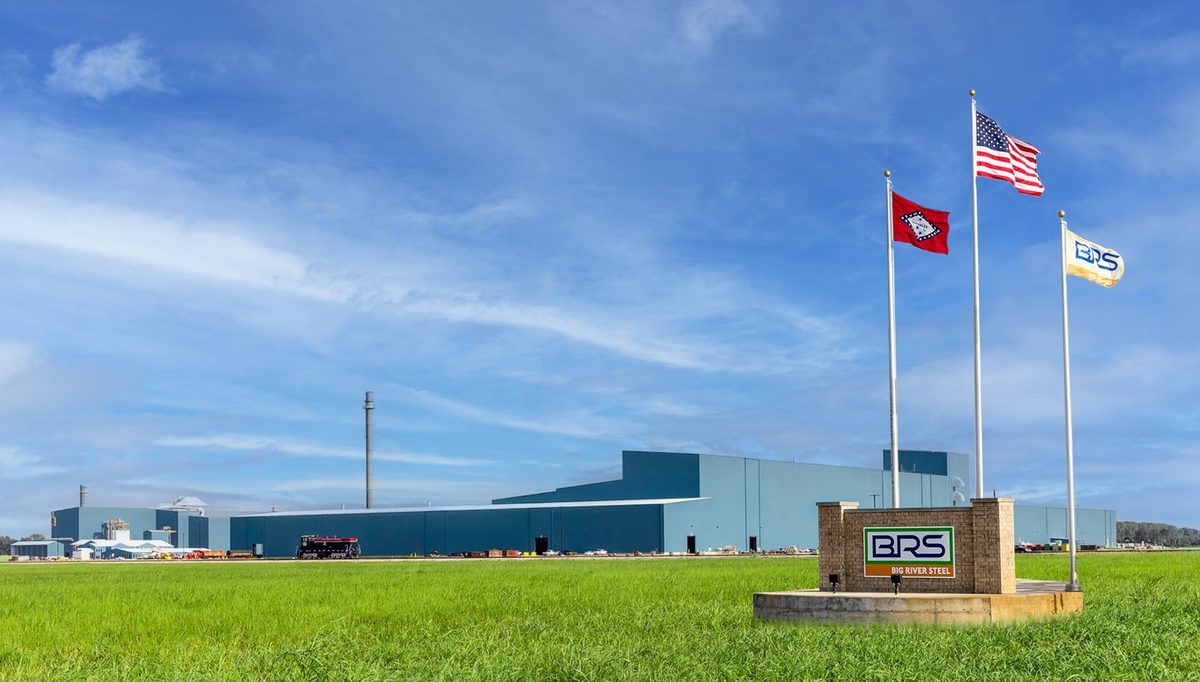
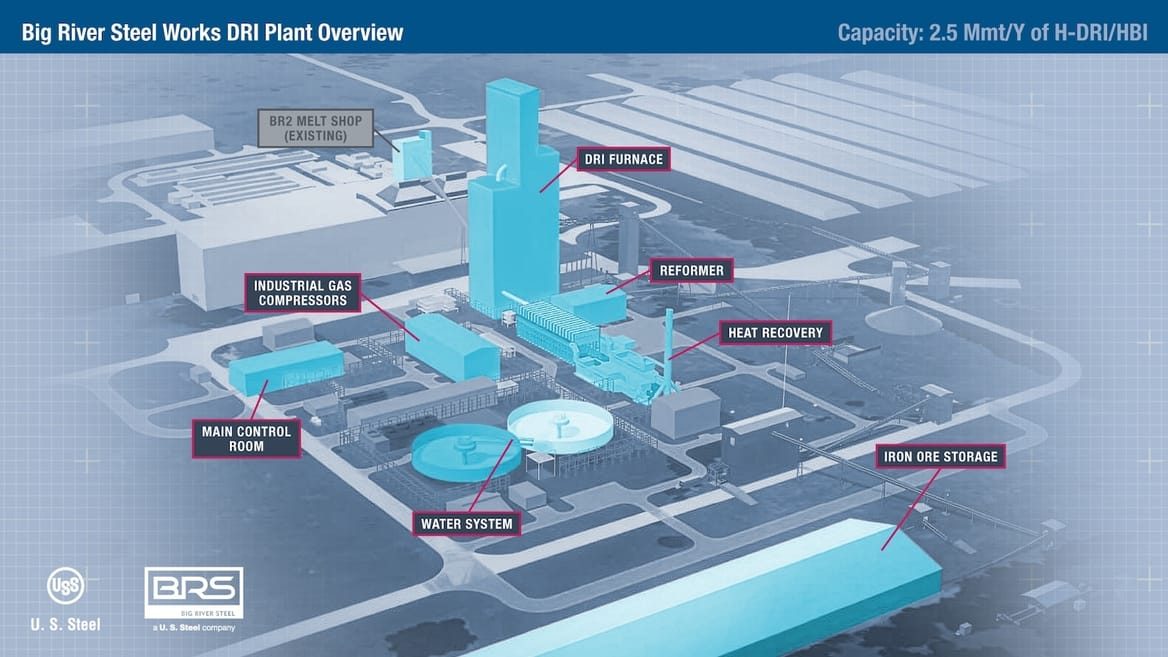
U.S. Steel broke ground Friday on a $1.9 billion direct reduced iron plant at its Big River Steel Works campus in Osceola, Arkansas. The plant will take iron ore pellets from Minnesota, strip out the oxygen, and feed the result hot into the electric arc furnaces next door.

That short trip is the point. Electric arc furnaces run on scrap, and prime scrap is scarce and volatile in price. A steady supply of direct reduced iron lets U.S. Steel make more of its steel from its own ore, with fewer trains and less exposure to the scrap market. The company targets first production in the first half of 2029.

Why it matters

If the plant works, U.S. Steel's newest mills will run on Minnesota ore instead of purchased scrap.

Questions about this story

Free account needed to ask — your question is kept and asked for you right after sign-up. Answers are public.

No questions yet — be the first to ask.

Key Indicators

$1.9B
DRI plant investment
U.S. Steel's announced capital cost for the Osceola facility.
200
Full-time plant jobs
Permanent Big River Steel Works positions tied to the DRI plant.
2,000
Construction jobs at peak
Estimated peak construction workforce during the 30-month build.
6M+
Annual campus steel capacity
Combined output of Big River Steel and Big River 2 with four electric arc furnaces.
4
Electric arc furnaces on site
Furnaces at the Osceola campus that the DRI plant will supply.

Voices

Curated perspectives — historical figures and your fellow readers.

Sign up to generate historical perspectives on this story.

People Involved

Organizations Involved

Timeline

2021 2029

7 events Latest: 2 days ago
Tap a bar to jump to that date
  1. Targeted first production

    Upcoming Operations

    U.S. Steel expects the plant to start up in the first half of 2029.

  2. Groundbreaking in Osceola

    Latest Construction

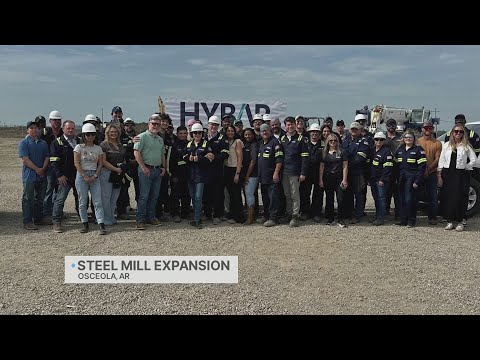
    Company and state officials launch construction on the DRI facility.

  3. Board approves nearly $3 billion Pennsylvania hot strip mill

    Investment

    U.S. Steel funds a new hot strip mill at Mon Valley Works near Pittsburgh.

  4. U.S. Steel announces $1.9 billion DRI plant

    Announcement

    Company announces the first-of-its-kind U.S. DRI facility at Big River Steel Works.

  5. Big River 2 starts producing steel

    Expansion

    The $3 billion expansion begins production, giving the campus four electric arc furnaces.

  6. Keetac upgraded for DRI-grade pellets

    Investment

    U.S. Steel invests in direct-reduced-grade pellet capacity at its Minnesota Ore Operations Keetac plant.

  7. U.S. Steel buys Big River Steel

    Acquisition

    U.S. Steel acquires the Osceola electric arc furnace steelmaker.

Scenarios

1

Osceola DRI Plant Starts Up in First Half of 2029

Likely Resolves by Q2 2029

Discussed by: U.S. Steel's April and October 2026 project announcements

The company's stated schedule calls for a 30-month construction phase and first production in the first half of 2029. Hitting it would give Big River 2 a domestic, hot-fed DRI supply before the end of the decade and validate the mine-to-mill chain.

2

Construction Slips Past 2029 as Costs Rise

Possible Resolves by End of 2029

Discussed by: Trade press covering the project and industrial construction cost watchers

Large industrial builds frequently slip after A long, labor-intensive construction phase. A delay past 2029 would leave Big River 2 buying more prime scrap and push the vertical integration payoff further out.

3

U.S. Steel Adds a Second DRI Module in Arkansas

Uncertain Resolves by End of 2028

Discussed by: Steel industry analysts tracking U.S. electric arc furnace capacity

If the first plant runs well and scrap prices stay volatile, U.S. Steel could expand DRI capacity at Osceola. The company already has the ore supply and the furnaces on one campus, which lowers the cost of a second module.

4

Mon Valley Hot Strip Mill Breaks Ground on Schedule

Likely Resolves by End of 2027

Discussed by: U.S. Steel's October 2026 board authorization

The same capital wave includes a nearly $3 billion hot strip mill at Mon Valley Works. A groundbreaking would show U.S. Steel is modernizing its flat-rolled finishing capacity alongside its Arkansas feedstock and furnace capacity.

Historical Context

3 moments from history that rhyme with this story — and how they unfolded.

2021-2024

Big River 2 (2021-2024)

U.S. Steel acquired Big River Steel in 2021 and built Big River 2, a second electric arc furnace mill on the same Osceola campus. The $3 billion expansion began producing steel in 2024.

Then

The campus reached four electric arc furnaces and more than six million tons of annual capacity.

Now

U.S. Steel shifted a larger share of its flat-rolled production onto electric arc furnaces, which raised its exposure to scrap prices.

Why this matters now

The DRI plant is the next layer: it feeds the furnaces U.S. Steel just built and reduces that scrap exposure.

2022

Keetac DRI-Grade Pellet Investment (2022)

U.S. Steel invested in direct-reduced-grade pellet capabilities at its Minnesota Ore Operations Keetac plant. The upgrade was designed to produce iron ore pellets suitable for DRI production.

Then

The company created an upstream source of feedstock for a DRI plant it had not yet announced.

Now

That investment became the first half of the mine-to-mill chain that the Osceola plant completes.

Why this matters now

Without DRI-grade pellets from Minnesota, the Arkansas plant has no domestic feedstock. The two projects are one supply chain.

1989

Nucor's Crawfordsville Minimill (1989)

Nucor began producing flat-rolled steel at its Crawfordsville, Indiana minimill using electric arc furnaces and thin-slab casting. It was the first plant to prove that scrap-based electric steelmaking could make sheet products at commercial scale.

Then

The minimill showed that electric arc furnaces could compete with integrated blast furnace mills in flat-rolled sheet.

Now

Electric arc furnace share of U.S. steel production grew, and scrap quality became a limit on what those mills could make.

Why this matters now

Early electric arc sheet mills were constrained by scrap quality. DRI is the workaround U.S. Steel is now building at scale.

Sources

(6)