

Pull to refresh
Logo
Pakistan creates Indus dolphin sanctuary, linking 400 km of protected river

Pakistan creates Indus dolphin sanctuary, linking 400 km of protected river

Rule Changes

Punjab designates a 198-km stretch of the Indus as the Punjnad sanctuary, joining existing reserves in Sindh

3 days ago: Pakistan creates Indus dolphin sanctuary

Overview

Updated 2 hours ago

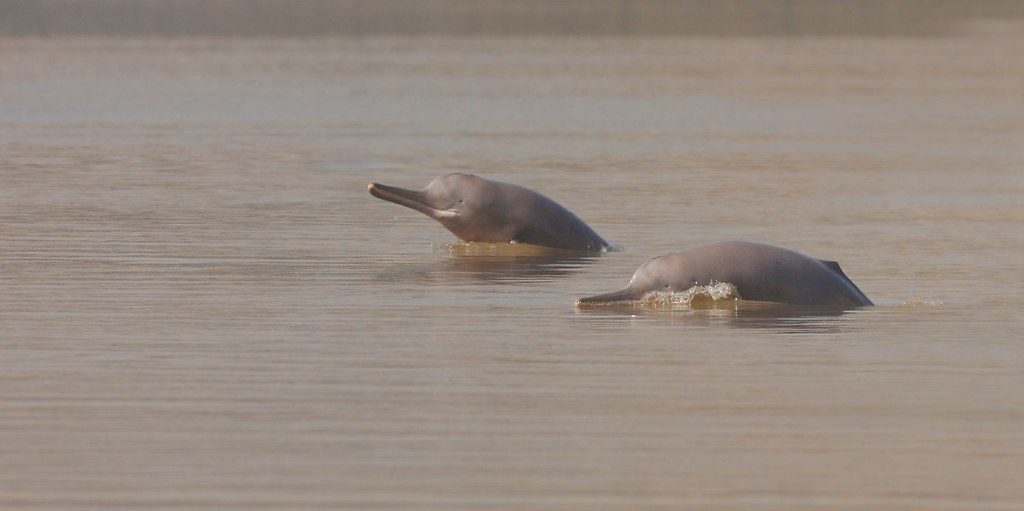
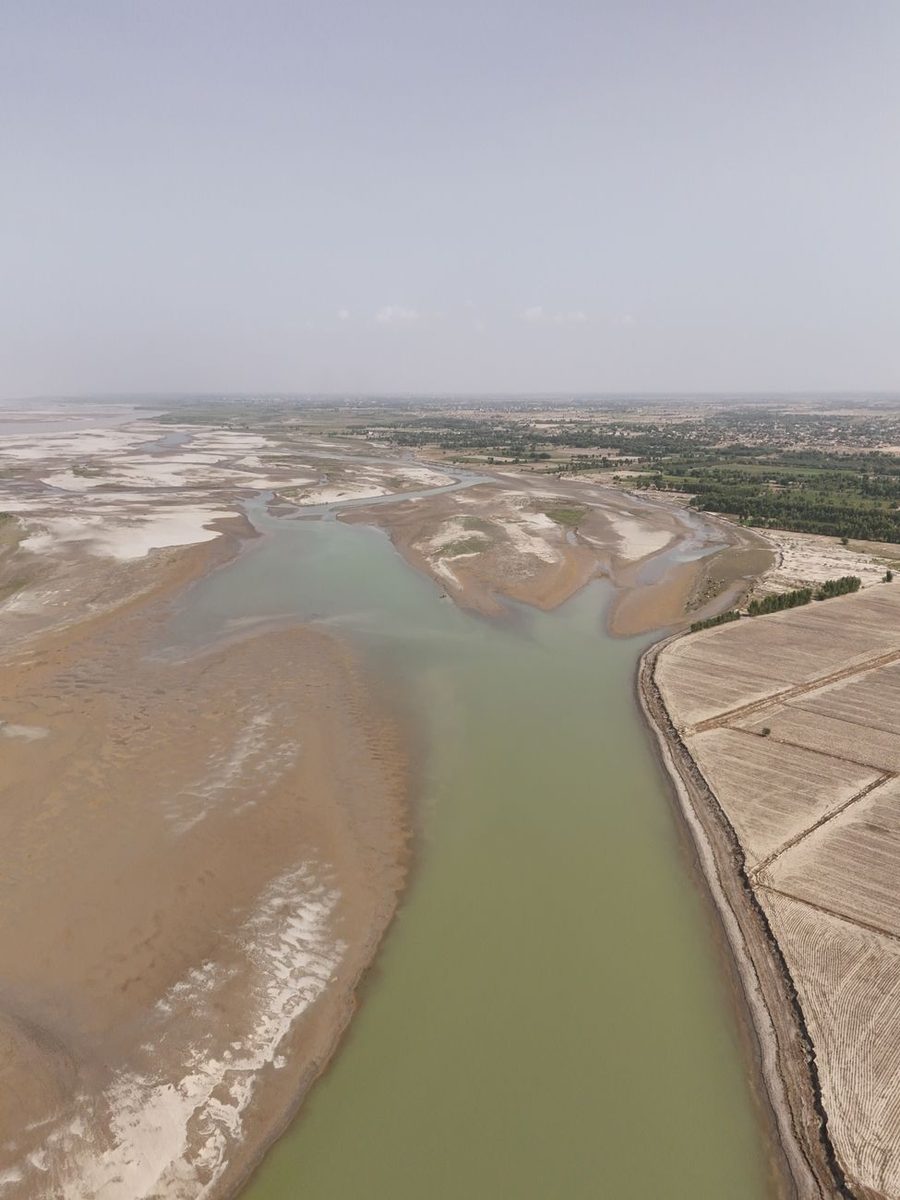
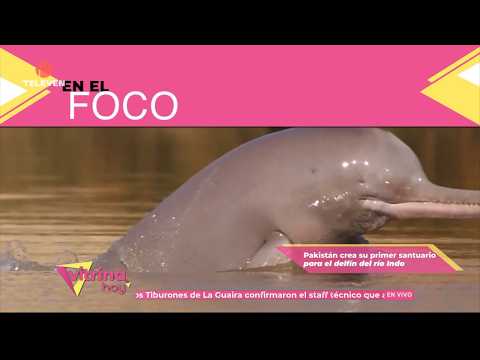
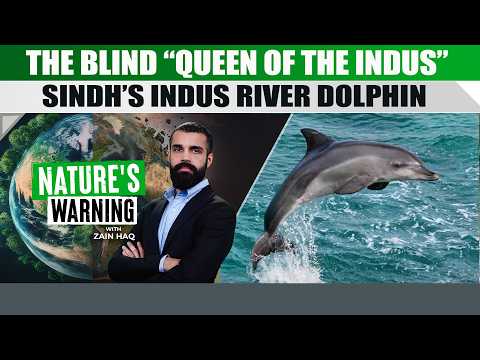
Pakistan's Punjab province has created its first protected area for the Indus River dolphin, a blind freshwater cetacean. The Punjnad sanctuary covers 198 kilometers (123 miles) of the Indus and links an existing reserve in Sindh to form a 400-kilometer protected corridor.

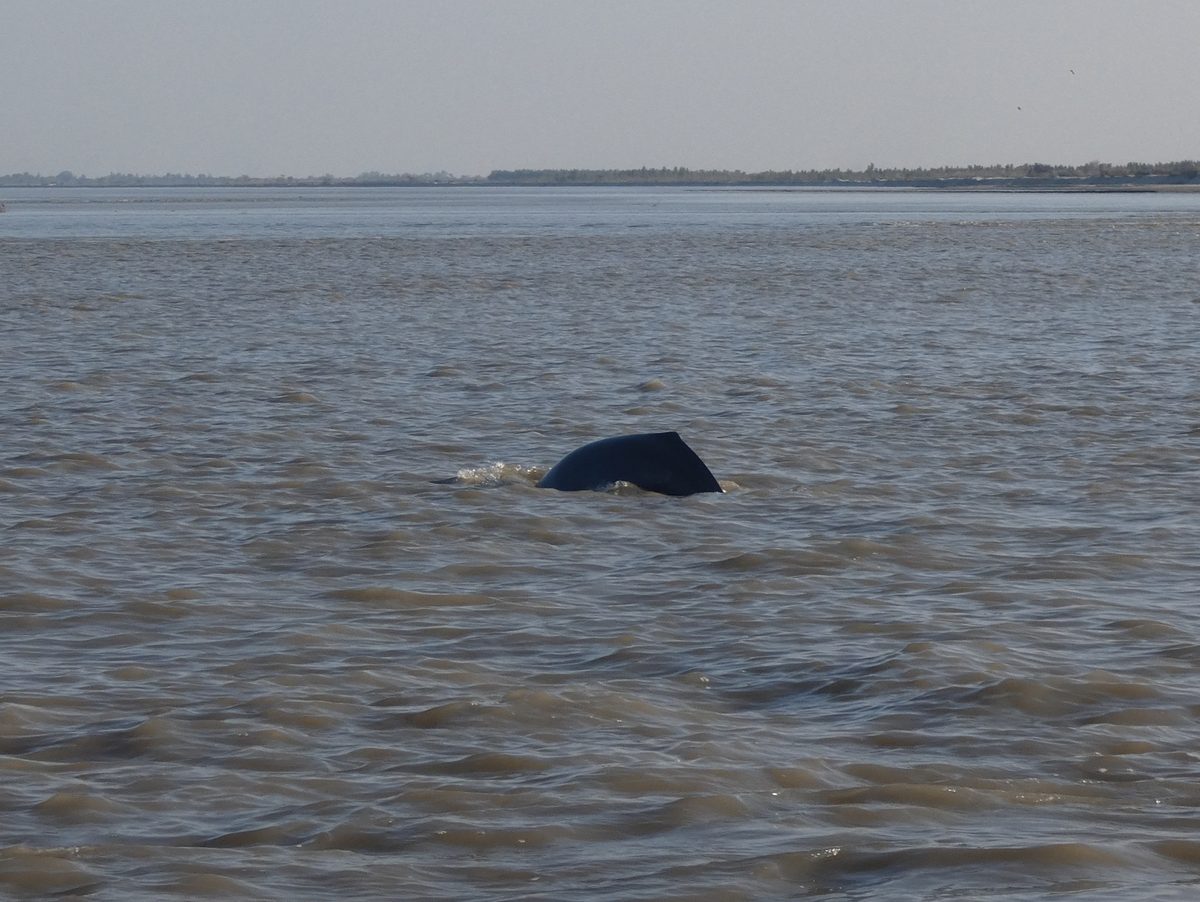
Fewer than 2,000 Indus dolphins survive, their range down 80% in a century. The sanctuary protects the heart of the Punjab population — roughly 660 dolphins, two-thirds within this stretch. The open question: can legal designation beat the dams and fishing nets that kill them?

Why it matters

This 400-km protected corridor is the main test of whether legal protection can secure one of the world's rarest freshwater dolphins.

Questions about this story

Free account needed to ask — your question is kept and asked for you right after sign-up. Answers are public.

No questions yet — be the first to ask.

Key Indicators

1,987
Estimated Indus dolphin population
2025 abundance survey, up 19.4% from 2011.
19.4%
Population increase, 2011-2017
Documented in the 2025 Endangered Species Research study.
198 km
Length of new Punjnad sanctuary
Runs from Jampur to the Guddu Barrage in Punjab.
400 km
Connected protected habitat
The new sanctuary joins an existing reserve in Sindh.
52%
Share of documented dolphin deaths from gillnets, 2008-2023
The leading recorded cause of dolphin mortality in the basin.

Voices

Curated perspectives — historical figures and your fellow readers.

Ever wondered what historical figures would say about today's headlines?

Sign up to generate historical perspectives on this story.

People Involved

Organizations Involved

Timeline

January 1975 October 2026

5 events Latest: 3 days ago
Tap a bar to jump to that date
  1. Pakistan creates Indus dolphin sanctuary

    Latest Conservation

    Reporting details the Punjnad sanctuary linking with Sindh's reserve to form a 400-km protected stretch.

  2. Study counts 1,987 Indus dolphins

    Research

    Endangered Species Research documents a metapopulation rise of 19.4% from 2011 to 2017.

  3. WWF-Pakistan begins dolphin work

    Conservation

    WWF starts research, rescue, and community outreach for Indus dolphins.

Scenarios

1

Punjab publishes sanctuary management plan

Likely Resolves by End of 2027

Discussed by: WWF-Pakistan and Punjab Wildlife and Parks Department

WWF-Pakistan said it will work with the Punjab government to develop a management plan for the sanctuary. A completed plan would lay out patrolling, dolphin monitoring, and community-based fishing rules — turning legal designation into on-the-ground enforcement.

2

Next census shows dolphin population growing past 2,000

Possible Resolves by Q2 2028

Discussed by: 2025 Endangered Species Research study; WWF

The 2011-2017 surveys recorded steady growth. If the trend continues beyond the sanctuary's creation, the next nationwide survey could push the estimate above the 2025 figure of 1,987 and past 2,000 — evidence that legal protection is working.

3

Barrages still trap dolphins; sanctuary changes little on the ground

Possible Resolves by Q2 2027

Discussed by: Aisha, conservation researcher quoted by Mongabay

The sanctuary creates legal continuity but not ecological connectivity. Irrigation barrages still fragment the river and push dolphins into canals, where gillnet entanglement remains the leading documented cause of death. Without canal safeguards and fishing rules, the designation alone may not reduce mortality.

Historical Context

2 moments from history that rhyme with this story — and how they unfolded.

December 2006

Yangtze River dolphin (baiji) declared functionally extinct (2006)

An international survey team swept the entire Yangtze River in 2006 and found no baiji, the river's endemic freshwater dolphin. The expedition declared the species functionally extinct — the first dolphin lost to human activity.

Then

No individual was found and the species was effectively gone despite decades of earlier sightings.

Now

The baiji became the benchmark for freshwater cetacean extinction, a warning for all remaining river dolphins.

Why this matters now

The Indus dolphin shares the baiji's vulnerability to dams, fragmentation and fishing. The new sanctuary is the direct effort to avoid that endpoint.

2017-2021

Yangtze finless porpoise conservation (2017-2021)

The critically endangered Yangtze finless porpoise, the only other freshwater cetacean in China, continued to decline despite protected-area designations. A 2021 review studied its management for lessons applicable elsewhere.

Then

Conservationists documented continuing pressure from fishing, shipping and habitat loss.

Now

Its management practices were held up as both a model and a caution for river dolphin conservation, directly informing Indus dolphin strategy.

Why this matters now

The 2021 Frontiers review explicitly drew lessons from the porpoise for the Indus River dolphin, the species this sanctuary protects.

Sources

(8)