
Pull to refresh
Logo
Canada ratifies global ocean treaty, gains seat at first Ocean COP

Canada ratifies global ocean treaty, gains seat at first Ocean COP

Rule Changes

The move lets Ottawa help create the first protected sanctuaries in international waters

5 days ago: Carney announces $1.2B ocean protection package

Overview

Updated 1 hour ago

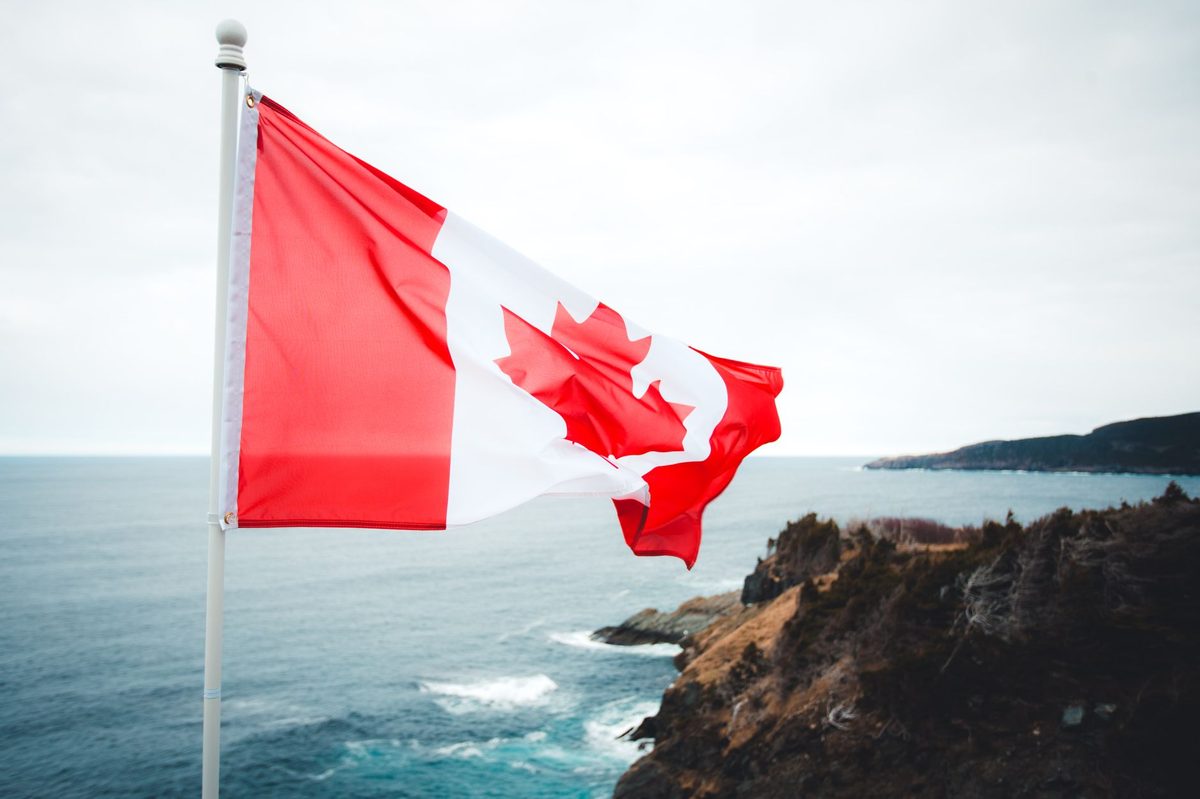
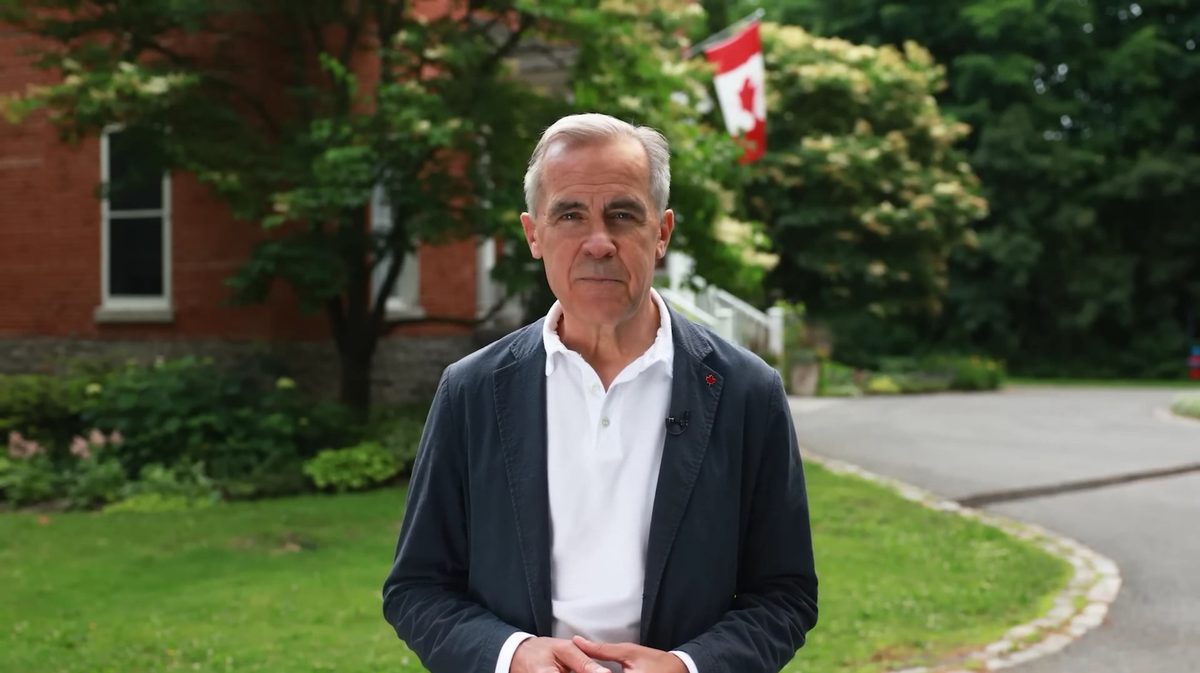
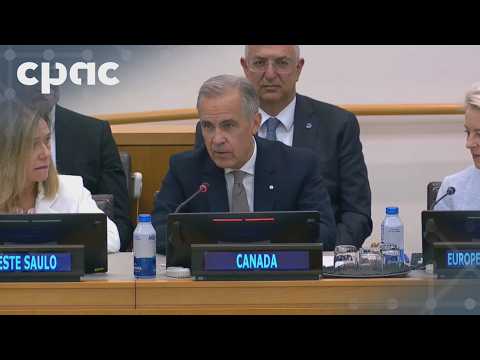
Canada is now a party to the High Seas Treaty, the first legal framework for protected areas in the oceans beyond any nation's borders. Prime Minister Mark Carney announced the ratification September 23 at the United Nations General Assembly, alongside an $82 million pledge to the OceanEye ocean-monitoring alliance.

The move gives Canada a seat when countries meet in January 2027 to set rules for the world's first high-seas sanctuaries. Today, just 1.5% of the high seas are protected. The global goal is 30% of all oceans by 2030.

Why it matters

Canada now votes on creating the first sanctuaries in high seas that cover nearly half the planet — currently just 1.5% protected.

Questions about this story

Free account needed to ask — your question is kept and asked for you right after sign-up. Answers are public.

No questions yet — be the first to ask.

Key Indicators

30%
Target share of world's oceans to protect by 2030
Globally agreed goal that the High Seas Treaty's sanctuary mechanism is meant to help meet.
1.5%
Share of high seas currently protected
International waters make up nearly half the planet; almost none of them are protected.
~100
Countries that have joined the treaty
Germany, Papua New Guinea and Zimbabwe were among the latest parties as of September 2026.
$82M
Canada's five-year pledge to OceanEye
Funding for the global ocean-observation alliance Canada co-chairs with the European Union.
17%
Share of Canada's own oceans protected
Over a million square kilometers, including two new Arctic protected areas added in 2026.

Voices

Curated perspectives — historical figures and your fellow readers.

Ever wondered what historical figures would say about today's headlines?

Sign up to generate historical perspectives on this story.

People Involved

Organizations Involved

Timeline

June 2023 January 2027

6 events Latest: 5 days ago
Tap a bar to jump to that date
  1. First Ocean COP convenes

    Upcoming International Meeting

    Countries negotiate rules and the process for proposing the first high-seas sanctuaries.

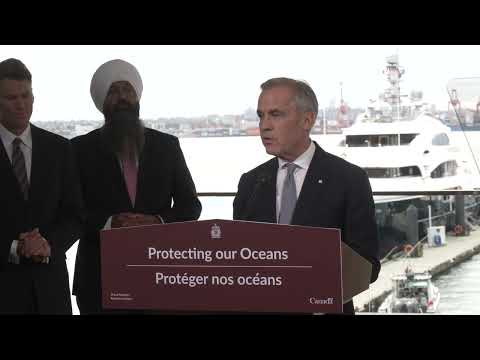
  2. Carney announces $1.2B ocean protection package

    Latest Funding

    New federal funding for monitoring, enforcement and marine conservation in Canada's own waters.

  3. Canada ratifies, pledges $82M to OceanEye

    Ratification

    Carney announces ratification at UN General Assembly; Canada gains a seat at the first Ocean COP.

  4. Treaty enters into force

    International Agreement

    The agreement becomes international law once enough countries ratify.

  5. Canada signs the treaty

    Diplomacy

    Signing commits Canada to the agreement's intent but requires ratification to take full legal effect.

  6. UN adopts High Seas Treaty

    International Agreement

    Nearly 200 countries adopt the agreement on marine biodiversity beyond national jurisdiction after two decades of negotiation.

Scenarios

1

First high-seas sanctuaries approved at Ocean COP

Possible Resolves by End of 2027

Discussed by: Greenpeace Canada and ocean conservation groups

When members meet in January 2027, Greenpeace and allies want the first generation of high-seas sanctuaries approved. Countries must agree that sanctuaries are fully or highly protected, excluding industrial fishing. Canada's seat lets it help set those standards. A successful COP1 would launch a fast sanctuary-proposal process.

2

Ocean COP1 stalls, sanctuary creation delayed

Possible Resolves by Q2 2027

Discussed by: Marine policy analysts

Countries could fail to agree on sanctuary standards or how to assess proposals at COP1, as disagreements over fishing rights and genetic resources stall talks. Delay compounds: only about 1.5% of high seas are protected, and each missed year erodes the 2030 goal.

3

Canada reaches 30% domestic ocean protection by 2030

Likely Resolves by End of 2030

Discussed by: Government of Canada commitments

Canada reports protecting more than 17% of its marine territory, including two new Arctic protected areas added in 2026. The $1.2 billion ocean package funds monitoring and new protected areas. Reaching 30% by 2030 depends on designating additional sites, especially on the Pacific coast.

Historical Context

2 moments from history that rhyme with this story — and how they unfolded.

1973 to 1982

UNCLOS (1982)

After nine years of talks, nearly 160 countries adopted the United Nations Convention on the Law of the Sea in Montego Bay, Jamaica, in December 1982. It established the first global rules for ocean boundaries, navigation and seabed resources.

Then

Created 12-nautical-mile territorial waters and 200-nautical-mile exclusive economic zones, giving coastal states control over vast ocean areas.

Now

Became the baseline ocean governance framework that took 12 years to enter into force, in 1994.

Why this matters now

The High Seas Treaty fills the gap UNCLOS left. UNCLOS governs national waters but created no mechanism for protected areas in the high seas beyond them.

December 2022

Kunming-Montreal Global Biodiversity Framework (2022)

At the UN biodiversity summit in Montreal, nearly 200 countries adopted a framework committing to protect 30% of the world's land and oceans by 2030, known as the 30x30 target.

Then

Set a clear global goal but provided no enforcement mechanism for the ocean share.

Now

Created the pressure that made the High Seas Treaty's sanctuary mechanism urgent.

Why this matters now

The High Seas Treaty is the main tool countries have to meet the ocean half of the 30% target, because high seas cover nearly half the planet.

Sources

(7)