


1994-2008
Antioxidant vitamins for heart disease (1994-2008)
Observational studies linked vitamin E and beta-carotene to lower heart disease risk, and the biology sounded plausible: antioxidants should slow the artery damage that leads to heart attacks. Large randomized trials then tested the idea in tens of thousands of people.
Then
The trials found no reduction in heart attacks or cardiovascular death, and high-dose beta-carotene trials in smokers suggested harm.
Now
The field shifted toward demanding large outcome trials before accepting mechanism-based claims about supplements.
Why this matters now
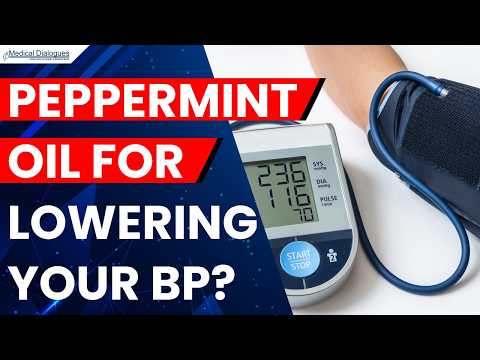
Peppermint oil now sits where antioxidant vitamins sat in the 1990s: a plausible mechanism, a small short trial, and no outcome data on heart attacks or strokes.