
Pull to refresh
Logo
Philadelphia Housing Authority breaks ground on 63-unit senior housing in Sharswood

Philadelphia Housing Authority breaks ground on 63-unit senior housing in Sharswood

Built World Philadelphia, PA local

Final piece of decade-long $750M Sharswood revitalization moves forward

Overview

Updated 1 hour ago

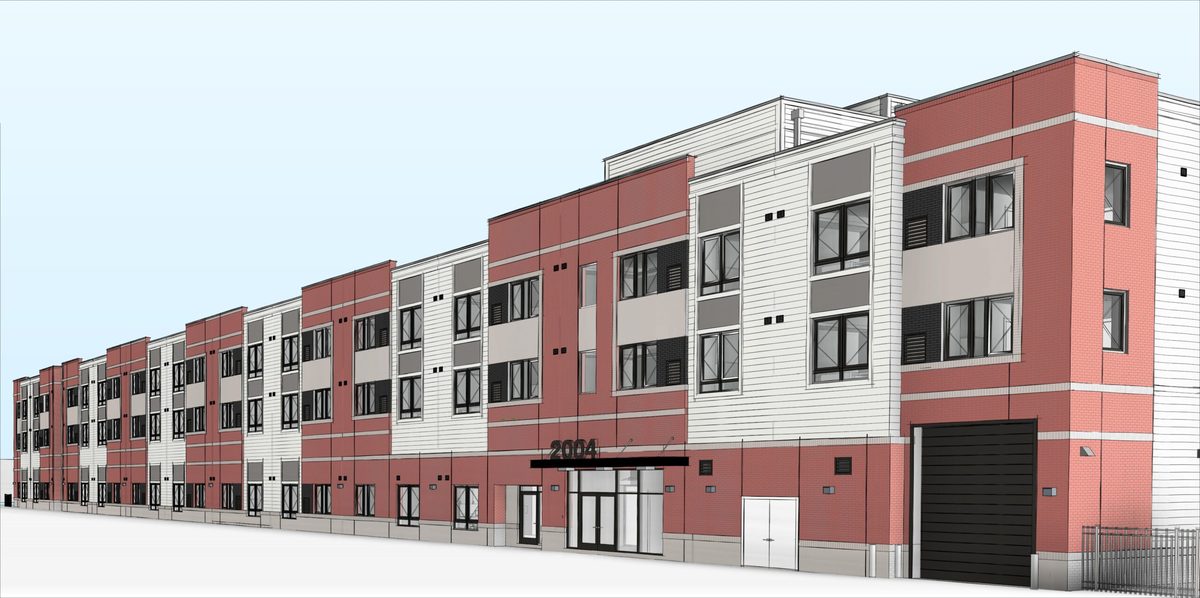
The Philadelphia Housing Authority broke ground on a $27 million, 63-unit affordable housing building for seniors in the Sharswood section of North Philadelphia. The Dwight Evans Senior Residences, at 20th Street and Cecil B. Moore Avenue, will offer one-bedroom apartments to people 62 and older, with rents capped at 30% of income.

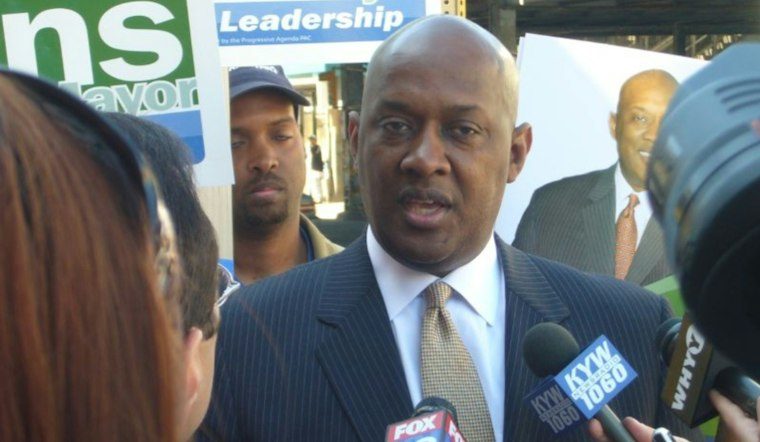
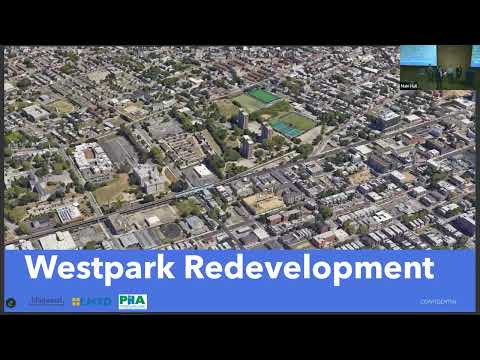
The project is one of the last in the agency's decade-long Sharswood Transformation Plan, which has invested roughly $750 million in the neighborhood. It will be the first PHA building named for Rep. Dwight Evans, who helped secure federal funding for the area and is retiring in January.

Why it matters

Affordable senior housing is scarce in Philadelphia; this project adds 63 income-restricted units and shows how PHA leverages tax credits to build on public land.

Monday: what changed in Philadelphia, PA

One short email a week with the openings, closings, permits and council votes we covered. Free. Unsubscribe in one click.

Questions about this story

Free account needed to ask — your question is kept and asked for you right after sign-up. Answers are public.

No questions yet — be the first to ask.

Key Indicators

$27 million
Project cost
Total development cost for the senior residences.
63
Affordable units
All units are one-bedroom and income-restricted.
25%
Units for disabled/homeless
Quarter of units reserved for individuals with disabilities or experiencing homelessness.
30%
Max rent share
Tenants pay up to 30% of adjusted income; HUD covers the rest.
$750M
Sharswood investment
Total PHA investment in Sharswood transformation over a decade.

Voices

Curated perspectives — historical figures and your fellow readers.

Sign up to generate historical perspectives on this story.

People Involved

Organizations Involved

Timeline

2016 October 2026

4 events Latest: 3 days ago
Tap a bar to jump to that date
  1. Groundbreaking for Dwight Evans Senior Residences

    Latest Construction

    PHA breaks ground on 63-unit senior housing building, the first named for Rep. Dwight Evans, with completion expected in 15-18 months.

  2. Sharswood 65 opens

    Construction

    PHA and partners celebrate the grand opening of a 65-unit mixed-income development, the city's first sidewalk poetry project.

  3. PHA receives $30 million federal grant

    Funding

    HUD awards a Choice Neighborhoods Implementation grant to support the entire Sharswood initiative.

  4. Sharswood Transformation Plan begins

    Plan

    PHA launches comprehensive redevelopment of Sharswood-Blumberg, including new housing and infrastructure.

Scenarios

1

Senior residences open on schedule and fill quickly

Likely Resolves by Q1 2029

Discussed by: PHA leadership and local housing advocates often cite the project's solid funding and pre-approved design as low-risk.

Construction proceeds on time, receiving certificate of occupancy by mid-2028. The building fills to over 80% occupancy within six months, driven by demand for affordable senior housing. PHA reports success, and the building becomes a model for future senior projects.

2

Construction delays push opening past 2028

Possible Resolves by End of 2028

Discussed by: Industry observers note that supply chain disruptions and labor shortages have delayed similar projects in the region.

Inclement weather, material shortages, or contractor issues stall the 15-18 month timeline. The building does not receive a certificate of occupancy by the end of 2028, forcing seniors and community members to wait. PHA may have to tap contingency funds, though the project remains viable.

3

Building opens but struggles to attract tenants

Unlikely Resolves by Q1 2029

Discussed by: Some housing analysts point to the building's location at a busy intersection and age restrictions as potential deterrents, despite the high demand for affordable housing.

Construction completes on time, but occupancy remains below 80% after the first year. PHA adjusts marketing or services, but significant vacancies persist, increasing per-unit costs and raising questions about the project's long-term viability.

Historical Context

3 moments from history that rhyme with this story — and how they unfolded.

1972

Pruitt-Igoe demolition (1972)

The St. Louis Housing Authority demolished the Pruitt-Igoe public housing project, a 33-building complex that had become emblematic of failed high-rise public housing. Within two decades, crime, neglect, and structural decay had made it uninhabitable.

Then

The demolition symbolized the end of large-scale public housing towers in the U.S. and sparked a national shift toward scattered-site and mixed-income approaches.

Now

The event shaped federal policy, leading to the HOPE VI program in the 1990s and the eventual demolition of many high-rise projects across the country.

Why this matters now

Sharswood's transformation is a direct response to that era, replacing aging public housing with low-rise, mixed-income developments. The senior building continues that approach, focusing on quality of life rather than density.

1992

HOPE VI program (1992)

Congress created HOPE VI to provide grants to public housing authorities to demolish and redevelop severely distressed public housing into mixed-income communities. Over $6 billion was awarded over 20 years.

Then

Cities like Chicago, Atlanta, and Baltimore tore down high-rises and built townhomes and low-rises, often displacing residents in the short term.

Now

HOPE VI demonstrated both the benefits of mixed-income development and the risks of gentrification and displacement, informing the later Choice Neighborhoods program.

Why this matters now

Sharswood is funded through Choice Neighborhoods, the successor to HOPE VI. The senior building uses the same playbook—leveraging federal grants and tax credits to redevelop a neighborhood while preserving affordability.

1995-2017

Chicago's Cabrini-Green redevelopment (1990s-2010s)

Chicago demolished the Cabrini-Green high-rises and replaced them with mixed-income townhomes and apartments, part of a broader plan to deconcentrate poverty and attract private investment.

Then

The redevelopment produced thousands of new units, but only a third were public housing or affordable. Many former residents were relocated with vouchers or left the city.

Now

The transformation dramatically changed the Near North Side, leading to rapid gentrification and ongoing debates about who benefits from neighborhood revitalization.

Why this matters now

Sharswood faces similar tensions between revitalization and displacement. The senior building is designed to keep longtime residents in the neighborhood, but its 63 units are a small slice of the broader change reshaping North Philadelphia.

Sources

(4)