


Pull to refresh
Logo
Poland shuts down national services portal ePUAP after cyberattack

Poland shuts down national services portal ePUAP after cyberattack

Force in Play

Warsaw pulls its main government document platform offline as a precaution and gives no restoration date

Overview

Updated 2 hours ago

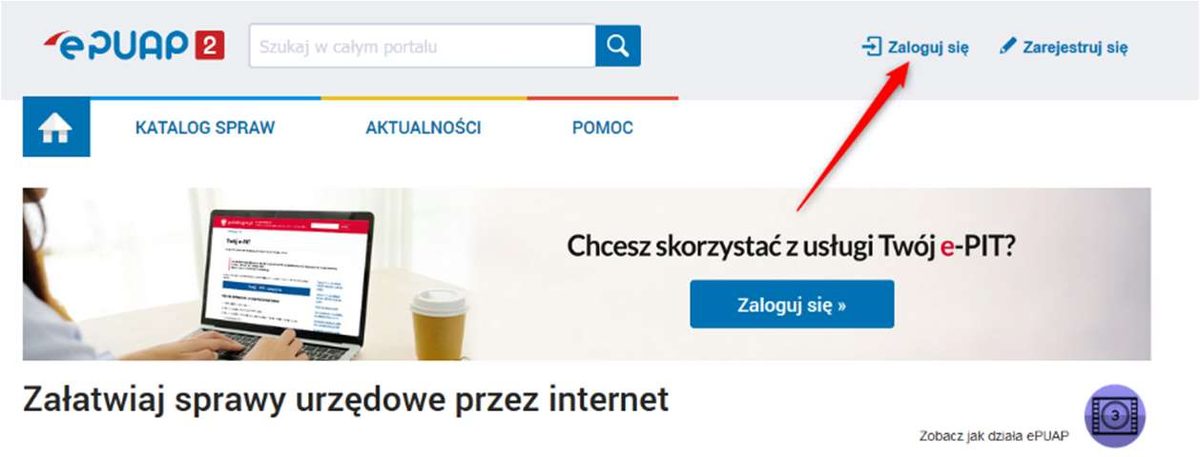
Poland took its main portal for official documents offline on the evening of November 10 after detecting an attack on the system. By the next morning, citizens and institutions could not reach their ePUAP mailboxes, and the Digital Affairs Ministry had no date for restoring them.

The ministry says the platform was disconnected as a precaution, not because it was damaged. That leaves the central question open: whether anything was copied before the plug was pulled. ePUAP holds identity numbers, home addresses and correspondence with tax offices, courts and the social insurance agency.

Why it matters

If data left the system before the shutdown, stolen identity numbers and official correspondence could feed fraud for years.

Questions about this story

Free account needed to ask — your question is kept and asked for you right after sign-up. Answers are public.

No questions yet — be the first to ask.

Key Indicators

1
National platform taken offline
ePUAP, used for official filings, court correspondence and electronic signatures.
19M
People potentially exposed in earlier Polish health data breach
The MyDr incident in September 2026 affected records tied to roughly 19 million people and 12,000 healthcare organizations.
0
Confirmed data compromises in this incident
Officials have not confirmed that hackers reached government systems or took data.

Voices

Curated perspectives — historical figures and your fellow readers.

Sign up to generate historical perspectives on this story.

People Involved

Organizations Involved

Timeline

September 2026 November 2026

4 events Latest: Today
Tap a bar to jump to that date
  1. Ministry confirms attack, sets no restoration date

    Today Statement

    The Digital Affairs Ministry said the attack was stopped and the technology center's infrastructure was secure. Internal Security Agency investigators joined the case.

  2. Attack detected, ePUAP disconnected

    Cyberattack

    Security teams spotted the attack shortly before 9pm and took the platform offline. The ministry later described the shutdown as precautionary.

  3. Invoicing provider reports breach

    Data breach

    Polish online invoicing provider Fakturownia reported a breach that may have exposed user, customer and business partner information.

  4. Polish healthcare software breaches surface

    Data breach

    Hackers stole data from healthcare software provider Qbusoft, after a separate breach at medical technology company MyDr. Authorities said the MyDr incident potentially affected data on about 19 million people and 12,000 healthcare organizations.

Scenarios

1

ePUAP returns within weeks with no confirmed data theft

Likely Resolves by Dec 11, 2026

Discussed by: Ministry of Digital Affairs statements carried by PAP and Polish outlets

The Central Information Technology Center finishes its security review, the ministry restores the platform, and officials say nothing was copied. This is the outcome the ministry has described so far: an attack stopped in time and a precautionary disconnect. It requires no damaging finding from the Internal Security Agency.

2

Outage drags past a month, court filings stall

Possible Resolves by End of 2026

Discussed by: Polish legal and technology outlets covering deadline protections for administrative filings

Restoration slips because the security team keeps finding problems. Courts, prosecutors, bailiffs and police, which still route correspondence through ePUAP, lose a working channel. Polish administrative law allows deadlines missed through no fault of the filer to be reinstated on request, so the damage shows up as backlog rather than lost cases.

3

Investigators confirm stolen identity data or Trusted Profile access

Unlikely Resolves by Q1 2027

Discussed by: Polish commentary raising the data-theft scenario, and the ministry's refusal to rule it out

The Internal Security Agency or the ministry discloses that attackers copied personal data, correspondence or authentication material before the disconnect. The highest-risk version involves the Trusted Profile, which allows electronic signatures and identity confirmation online. That would turn a service outage into a years-long identity fraud problem.

Historical Context

3 moments from history that rhyme with this story — and how they unfolded.

April-May 2007

Estonia cyberattacks (2007)

After Estonia relocated a Soviet war memorial, distributed denial-of-service attacks took down government, banking, media and police websites for days. Estonia blamed Russia, and a Russian student was later convicted over the attacks.

Then

Online banking and state services were disrupted for days, and Estonia pressed its NATO and EU allies for a coordinated response.

Now

NATO opened a cyber defense center in Tallinn, and the episode became the reference case for attacks on a state's digital services.

Why this matters now

It is the clearest precedent for a government pulling core online services offline under attack, and for how quickly availability attacks become a national security matter.

June 2015

US Office of Personnel Management breach (2015)

Intruders reached personnel records held by the US Office of Personnel Management, ultimately exposing background-check information on roughly 21.5 million people. Director Katherine Archuleta resigned the following month.

Then

The agency cut off parts of its network and offered credit monitoring to affected employees and applicants.

Now

The breach drove a multi-year overhaul of federal identity and background-check systems.

Why this matters now

It shows what is at stake when a government portal holding identity data is probed: the lasting harm is copied records, not the outage.

June 2017

NotPetya wiper attack (2017)

Malicious code pushed through M.E.Doc, a widely used Ukrainian tax and accounting program, wiped machines at Ukrainian banks, ministries and companies, then spread worldwide to Maersk, Merck and FedEx.

Then

Thousands of systems were rebuilt from scratch; damage estimates ran into the billions of dollars.

Now

Governments began treating trusted national software supply chains as critical infrastructure.

Why this matters now

Poland's ePUAP sits in the same position: a single platform that agencies, courts and citizens all trust to carry official traffic.

Sources

(9)