
Pull to refresh
Logo
Savona finishes shore power at its cruise terminal

Savona finishes shore power at its cruise terminal

Built World

A €10.1 million berth lets cruise ships at Palacrociere switch off diesel generators, as ports trail a fleet that is already plug-ready

Overview

Updated 1 hour ago

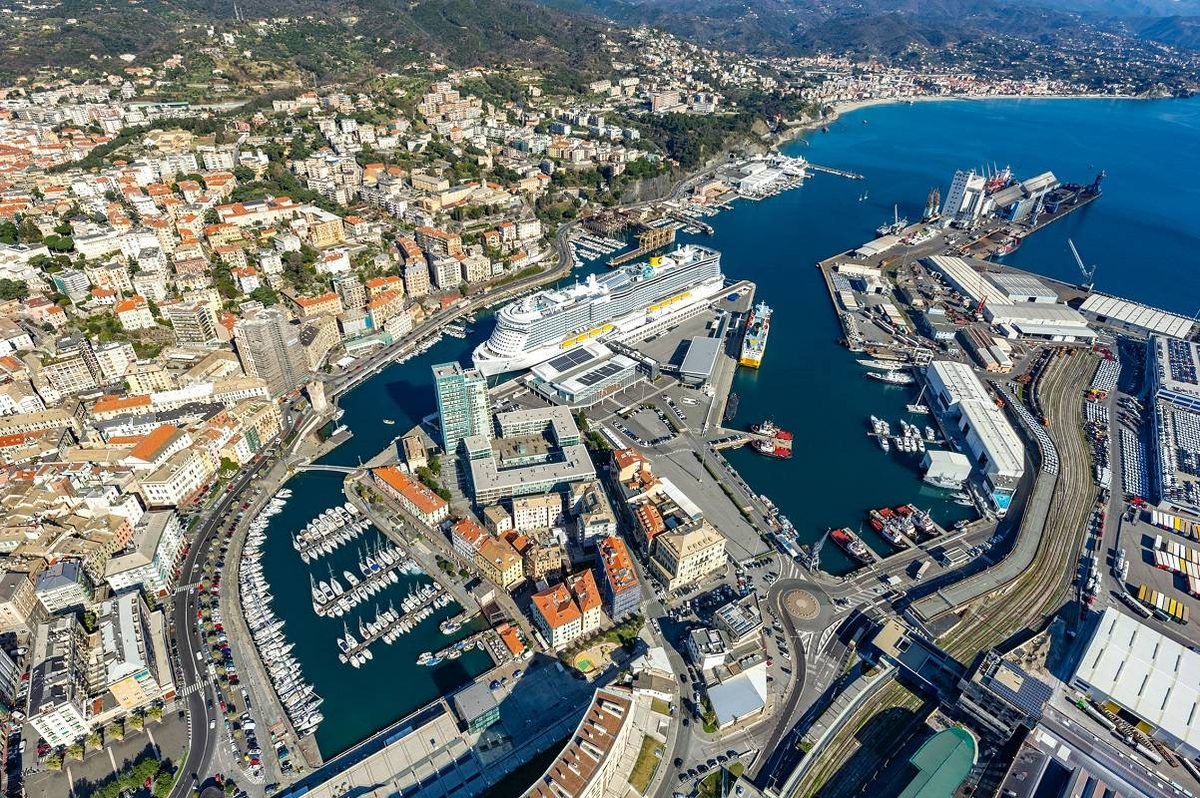
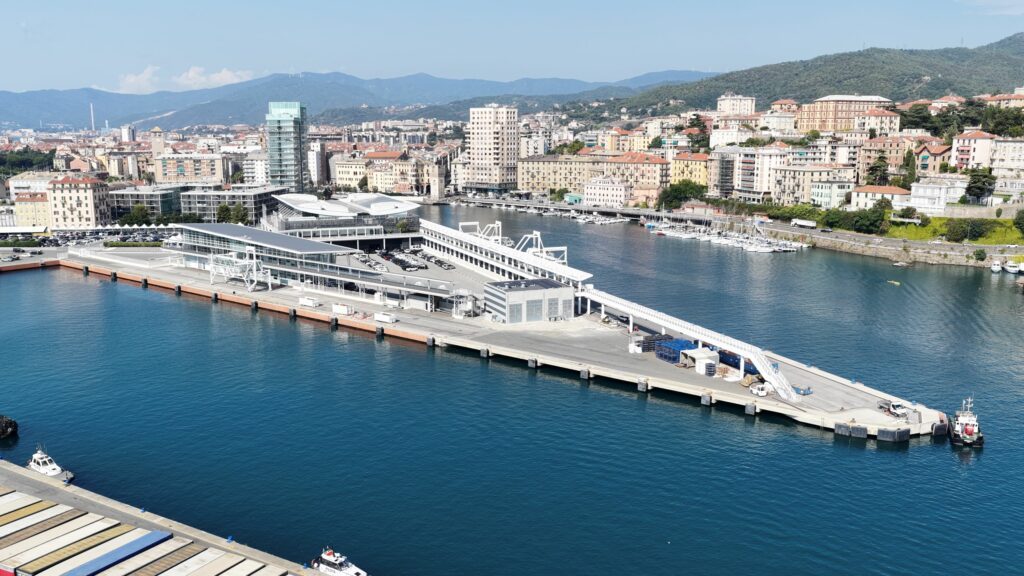
Cruise ships docking at Savona's Palacrociere terminal can now run on mains electricity instead of their own diesel generators. The Western Ligurian Sea Port Authority finished a €10.1 million shore power facility there and completed ship-to-shore connection tests in early November 2026.

The berth joins roughly 40 cruise ports worldwide that can power a ship at the quay. Against that, 193 cruise ships, or 65% of the fleet tracked by the Cruise Lines International Association (CLIA), are already built to plug in. The ships are arriving faster than the sockets.

Why it matters

Only about 40 cruise ports can power a ship at berth, and the EU says major ports must by 2030.

Questions about this story

Free account needed to ask — your question is kept and asked for you right after sign-up. Answers are public.

No questions yet — be the first to ask.

Key Indicators

€10.1m
Project cost
Total cost of the Palacrociere onshore power supply facility, funded by the port authority.
193
Cruise ships able to plug in
CLIA's September 2026 count of shore-power-capable ships, up from 55 in 2018.
65%
Share of reporting fleet equipped
Portion of the CLIA-tracked fleet built to connect to shore power.
40
Cruise ports with a shore-power berth
Fewer than 3% of cruise ports worldwide have at least one equipped berth.
279
Ships expected to be plug-ready by 2039
CLIA forecast that widens the gap with ports unless berths are built.
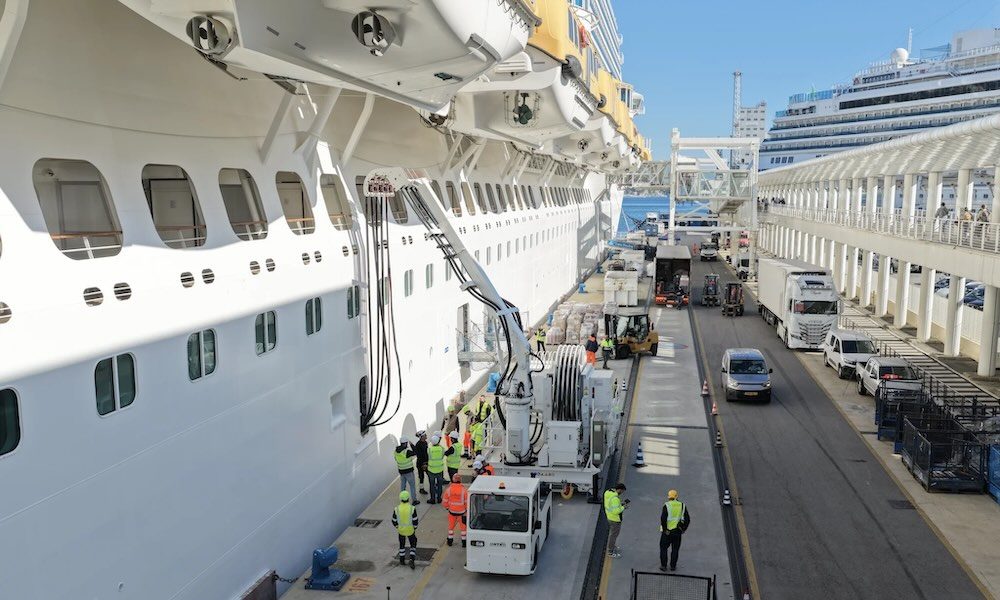
28 t
Weight of the mobile cable unit
Wheeled unit with a 10-metre crane that moves power cables from quay to ship.

Voices

Curated perspectives — historical figures and your fellow readers.

Sign up to generate historical perspectives on this story.

Organizations Involved

Timeline

October 2023 November 2026

6 events Latest: Today
Tap a bar to jump to that date
  1. Savona confirms the berth is built

    Today Milestone

    The authority reports the €10.1 million Palacrociere facility complete, with connection tests done and no commissioning date set.

  2. Ship-to-shore tests complete

    Testing

    The port authority reports the connection tests at the new facility have been successfully completed.

  3. Connection testing begins

    Testing

    Commissioning tests start, including dry runs without current to check procedures between ship and shore.

  4. Works completed on the projected schedule

    Construction

    The port authority finishes the €10.1 million installation, within the first-quarter 2026 completion date listed for the project.

  5. Port board clears space for the substation

    Approval

    The authority approves a temporary, partial suspension of about 3,000 square metres of Costa Crociere's concession at Palacrociere for the electrical cabin and cable ducts.

  6. Construction starts at the cruise terminal

    Construction

    Nidec ASI begins work on the onshore power supply plant, including a dedicated substation linking the quay to the local grid.

Scenarios

1

Savona commissions the berth and ships start plugging in

Likely Resolves by Q2 2027

Discussed by: Ports of Genoa project documentation and Splash Cruise reporting

The remaining step is operational management, which the authority says was contracted under national and EU procurement rules. If that contract is signed and the first commercial hookup follows, Savona moves from a tested plant to a working berth. The trigger is an authority announcement of commissioning, followed by a cruise line using it on a scheduled call.

2

The plant is ready, but few ships use it

Possible Resolves by Q2 2028

Discussed by: CLIA fleet figures and the port's own project documents

Building the berth does not guarantee use. Only 65% of the CLIA-tracked fleet is equipped, and individual ships call at many ports, so a single terminal may see plug-capable vessels irregularly. If Savona's berth goes long stretches without connections, the €10.1 million asset becomes a regulatory checkpoint more than a daily emissions cut.

3

Genoa and Vado Ligure add their own shore power berths

Possible Resolves by End of 2028

Discussed by: Ports of Genoa infrastructure programme

Savona is one piece of a wider plan across Genoa, Pra', Savona and Vado Ligure. Shore power is under construction at Genoa's passenger terminals and at Vado Ligure's container terminal. A commissioning announcement at either site would show the model is spreading rather than sitting at a single cruise quay.

Historical Context

3 moments from history that rhyme with this story — and how they unfolded.

2007

California at-berth shore power rule (2007)

California's Air Resources Board adopted a rule requiring container, cruise and refrigerated-cargo ships at major ports to connect to shore power or use equivalent emission controls. The state's largest ports then had to build the electrical berths to make that possible.

Then

Los Angeles and Long Beach built shore power connections, and plug-in rates climbed slowly as ships were retrofitted and berths came online.

Now

Shore power became standard equipment at the biggest US container ports, and the rule was later extended to more ship types.

Why this matters now

It is the clearest test of whether mandatory shore power actually gets used, which is the question now facing Savona and other EU ports.

January 2015

North Sea and Baltic sulphur limits (2015)

Emission control areas covering the Baltic Sea and North Sea cut the allowed sulphur content of ship fuel to 0.1%, years before the global limit moved. Ships had to burn cleaner fuel, fit scrubbers or switch fuels to enter those waters.

Then

Operators rerouted fuel purchasing and refitters took on scrubber orders ahead of the deadline.

Now

The regional limit became a template for stricter rules elsewhere and showed that a fixed date moves a fleet faster than voluntary targets.

Why this matters now

The EU's 2030 shore power requirement for major ports follows the same pattern: a regional rule with a hard date, applied port by port.

January 2020

Global sulphur cap (2020)

The International Maritime Organization cut the sulphur limit for marine fuel worldwide from 3.5% to 0.5% on 1 January 2020. Shipowners had to buy cleaner fuel, install scrubbers or change fuel entirely.

Then

Fuel markets shifted toward low-sulphur blends and scrubber installations jumped.

Now

Compliance became routine, and the rule showed the shipping industry could absorb a fleet-wide change on a single date.

Why this matters now

It shows what happens when a deadline applies to the whole fleet at once, and why the port-side infrastructure is the harder half to build.

Sources

(8)