Logo
Daily Brief
Following
Why
Portugal's Five-Way Presidential Race Signals Democratic Fragmentation

Portugal's Five-Way Presidential Race Signals Democratic Fragmentation

First runoff since 1986 as populist, socialist, liberal and independent candidates split the electorate

Today: Portugal Votes in First Round

Overview

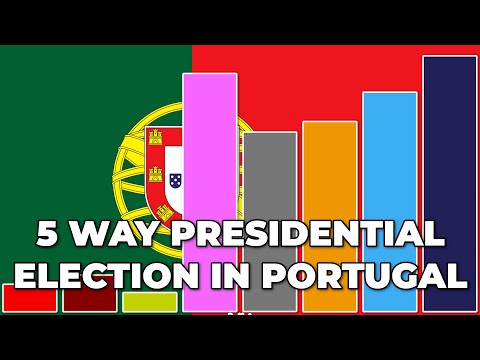
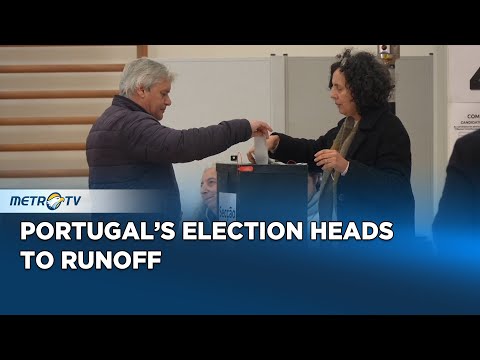
Portugal has held only one presidential runoff in 50 years of democracy. After January 18, 2026, it will likely hold its second. Eleven candidates—a record—competed for the presidency being vacated by term-limited Marcelo Rebelo de Sousa, with five polling within statistical margin of error. The fragmented field virtually guarantees no one captures the 50% needed for a first-round win.

The stakes extend beyond the Belém Palace. A potential runoff featuring André Ventura of the populist Chega party would mark another European milestone for the nationalist right, following gains in France, Italy, Netherlands, Austria, and Germany. While Portugal's president holds limited executive power, the office commands moral authority and constitutional tools—including legislative vetoes and the power to dissolve parliament—that could reshape the country's political trajectory.

Key Indicators

11
Presidential candidates
Record number in Portugal's democratic history, reflecting fragmentation across the political spectrum.
40
Years since last runoff
The 1986 election between Mário Soares and Freitas do Amaral was the only previous second-round vote.
1.5M
Immigrants since 2018
Portugal's foreign-born population tripled from 400,000 to 1.5 million, fueling political polarization over housing and jobs.
60
Chega parliamentary seats
From 1 seat in 2019 to official opposition status in 2025, the party's rise mirrors European populist trends.

People Involved

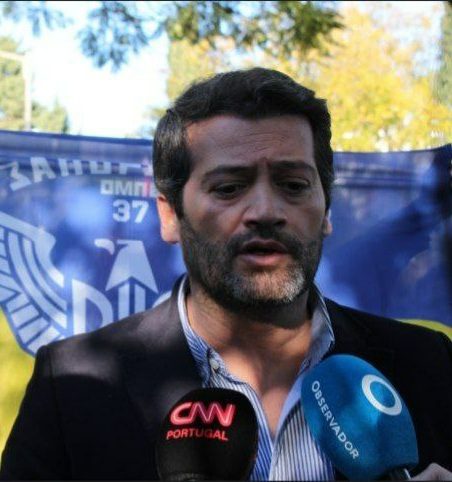
André Ventura
André Ventura
Leader of Chega party; Parliamentary Opposition Leader (Presidential candidate, polling 20-24%)
António José Seguro
António José Seguro
Former Socialist Party Secretary-General (Presidential candidate with official PS endorsement, polling 17-25%)
Luís Marques Mendes
Luís Marques Mendes
Former PSD President; Council of State member (Presidential candidate backed by governing coalition, polling 16-19%)
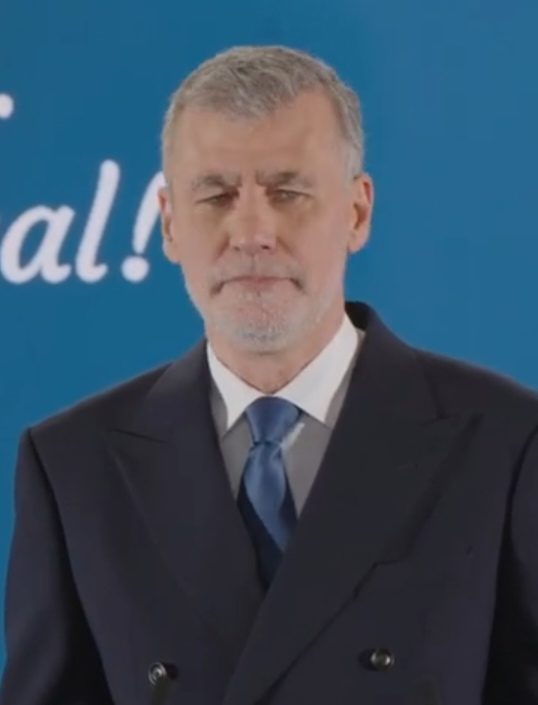
Henrique Gouveia e Melo
Retired Admiral; Former Navy Chief of Staff (Independent presidential candidate, polling 15-16%)
João Cotrim de Figueiredo
MEP; Former Liberal Initiative Leader (Presidential candidate, polling 16-22%)
Marcelo Rebelo de Sousa
Incumbent President of Portugal (Term-limited, cannot seek re-election)

Organizations Involved

Chega
Chega
Political Party
Status: Official opposition in parliament; fielding presidential candidate

National-conservative populist party that grew from one parliamentary seat in 2019 to 60 seats and official opposition status by 2025.

SO
Socialist Party (PS)
Political Party
Status: Third-largest party; backing Seguro for president

Centre-left party that governed Portugal from 2015-2024 before losing ground to both the centre-right AD coalition and Chega.

Timeline

  1. Portugal Votes in First Round

    Election

    11 million eligible voters cast ballots in most fragmented presidential race in Portuguese history. Results expected overnight.

  2. Court Orders Ventura Posters Removed

    Legal

    Lisbon court rules Chega campaign billboards targeting Roma community are discriminatory, orders removal within 24 hours.

  3. Socialists Formally Endorse Seguro

    Political

    PS officially backs its former leader—a rare formal presidential endorsement for the party.

  4. Cotrim de Figueiredo Joins Race

    Campaign

    Liberal Initiative's former leader and current MEP announces candidacy, running on liberal reform platform.

  5. Seguro Launches Socialist Campaign

    Campaign

    Former PS leader announces presidential bid in Caldas da Rainha, calling for "change and hope."

  6. Admiral Gouveia e Melo Enters Race

    Campaign

    The former COVID vaccine coordinator announces independent candidacy, initially leading polls at 36%.

  7. Chega Becomes Official Opposition

    Election

    With 22.8% and 60 seats, Chega overtakes Socialists for first time, reshaping Portugal's political landscape.

  8. Marques Mendes Announces Candidacy

    Campaign

    Former PSD president declares presidential bid, positioning himself as centre-right standard-bearer.

  9. Centre-Right Wins Snap Election

    Election

    AD coalition defeats Socialists after PM Costa's resignation. Chega quadruples seats to 50.

  10. Rebelo de Sousa Re-elected

    Election

    Incumbent wins second term with 60.7%. Ventura finishes third with 11.9%, behind anti-corruption candidate Ana Gomes.

  11. Chega Wins First Seat

    Election

    With 1.3% of the vote, Chega elects Ventura to parliament—the first far-right MP since 1974.

  12. Chega Party Founded

    Political

    André Ventura founds Chega, the first significant far-right party in Portugal since the end of dictatorship in 1974.

Scenarios

1

Ventura Tops First Round, Loses Runoff to Unified Opposition

Discussed by: Bloomberg, France 24, Portuguese pollsters; mirrors 2024 Austrian pattern

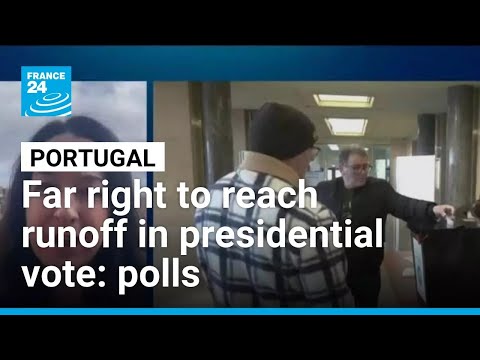
Pre-election polls consistently showed Ventura winning the first round but losing any second-round matchup. This scenario follows the 1986 pattern: fragmented moderate vote consolidates behind whoever faces the candidate perceived as outside mainstream consensus. Ventura would claim momentum and vindication; opponents would frame the runoff as a defense of democratic norms.

2

Seguro Qualifies for Runoff, Defeats Ventura with Centre-Right Crossover

Discussed by: Robert Schuman Foundation analysis; PS campaign strategists

If Seguro edges other moderates for the second runoff slot, polling suggests he'd attract PSD voters uncomfortable with Ventura. Internal PSD divisions—with Passos Coelho supporters already backing Seguro over Marques Mendes—could accelerate this crossover. A Seguro presidency would restore centre-left influence after years of electoral setbacks.

3

Marques Mendes or Cotrim de Figueiredo Reaches Runoff

Discussed by: Polymarket odds; centre-right analysts

Given margins of 1-2 percentage points separating five candidates, either the PSD-backed Marques Mendes or liberal Cotrim de Figueiredo could qualify for the runoff instead of Seguro. This would create a centre-right vs. populist-right dynamic, potentially splitting the right-of-centre electorate rather than unifying it against Ventura.

4

Ventura Wins Presidency Outright

Discussed by: Hungarian Conservative; some European populist observers

The lowest-probability but highest-impact scenario. Polling consistently shows Ventura losing second rounds by significant margins. But if turnout dynamics diverge sharply from polls, or if opposition fails to consolidate, Ventura would become the first far-right head of state in Portugal since the 1974 revolution—with constitutional powers to veto legislation and dissolve parliament.

Historical Context

Portugal Presidential Runoff (1986)

January-February 1986

What Happened

Socialist Mário Soares trailed conservative Diogo Freitas do Amaral 25% to 46% in the first round—his party had just suffered a devastating legislative defeat. But the Communist Party threw its support behind him as the "lesser evil," and left-wing voters consolidated. Soares won the runoff 51% to 49%, becoming Portugal's first elected civilian president in 60 years.

Outcome

Short Term

Soares became president despite his party's weakness, demonstrating the consolidation dynamic that still shapes Portuguese runoffs.

Long Term

Soares served two terms (1986-1996), establishing the modern template for a president above partisan fray. No runoff occurred again until 2026.

Why It's Relevant Today

The 1986 pattern—fragmented first round followed by ideological consolidation—is exactly what pollsters predict for 2026 if Ventura leads round one.

Austria's FPÖ Victory (2024)

September 2024

What Happened

Herbert Kickl's Freedom Party won Austria's parliamentary election with 29%—the first far-right victory in an Austrian federal election since World War II. Despite winning, Kickl failed to form a government when coalition talks collapsed. President Alexander Van der Bellen, a former Green, ultimately had to task him with forming government anyway.

Outcome

Short Term

Coalition negotiations dragged on for months; FPÖ remained unable to govern despite winning the election.

Long Term

Demonstrated that winning an election and forming a government are separate challenges for populist parties facing a cordon sanitaire.

Why It's Relevant Today

Shows how populist parties can win pluralities without governing—relevant because Portugal's presidency is largely ceremonial but holds constitutional levers a governing coalition cannot easily ignore.

Carnation Revolution and Democratic Transition (1974)

April 1974

What Happened

Military officers overthrew the Estado Novo dictatorship that had ruled Portugal for 48 years. The peaceful revolution—soldiers placed carnations in their rifle barrels—ended Europe's longest-running authoritarian regime and began Portugal's transition to democracy, producing the 1976 constitution still in force today.

Outcome

Short Term

Portugal rapidly decolonized, held free elections, and established its current semi-presidential system.

Long Term

The memory of dictatorship inoculated Portugal against far-right politics for decades; Chega's rise represents the first significant challenge to that consensus.

Why It's Relevant Today

Portugal's 50-year resistance to far-right politics traces directly to 1974. Chega's emergence ends that exceptionalism, making this election a test of how deeply democratic norms took root.

10 Sources: