


Pull to refresh
Logo
Victorian Labor loses government as Coalition's Jess Wilson wins election

Victorian Labor loses government as Coalition's Jess Wilson wins election

Rule Changes

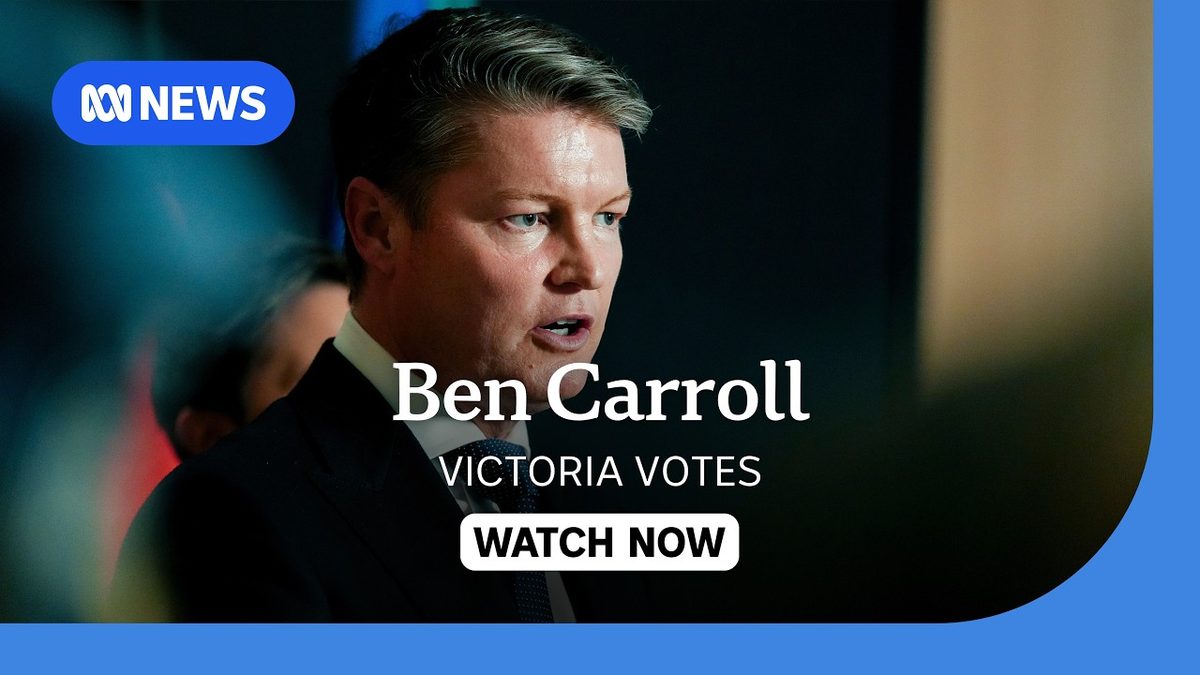
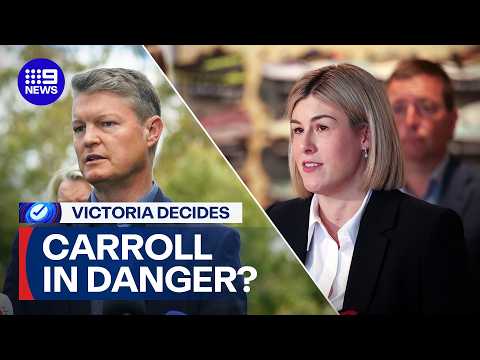
Ben Carroll conceded before 8:30pm after the ABC called the result two hours after polls closed, with Labor's primary vote falling toward 17%

Overview

Updated 37 minutes ago

Labor had governed Victoria for twelve years. The Australian Broadcasting Corporation called the 2026 state election for the Coalition less than two hours after polls closed, and Premier Ben Carroll conceded before 8:30pm.

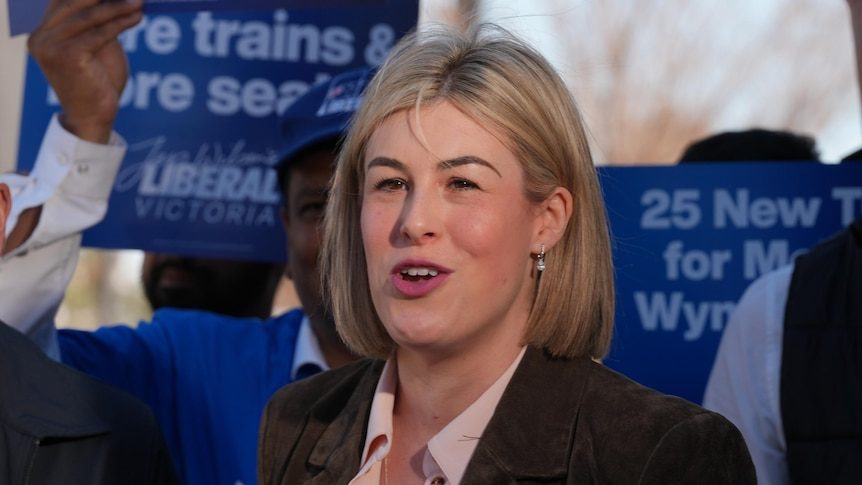
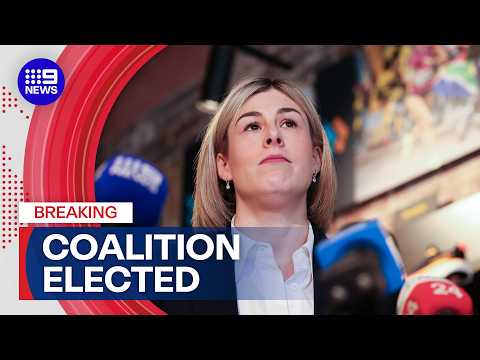
Early counting put Labor's primary vote near 17%, behind the Liberals, One Nation and the Greens. Carroll lost his own seat of Niddrie, and Liberal leader Jess Wilson, 36, is set to become the state's youngest premier and its first woman elected to the job at a general election.

Why it matters

Victoria is Australia's second-most-populous state and a federal bellwether; the result adds pressure on Prime Minister Anthony Albanese.

Questions about this story

Free account needed to ask — your question is kept and asked for you right after sign-up. Answers are public.

No questions yet — be the first to ask.

Key Indicators

17%
Labor primary vote, early count
Measured with just under 19% of votes counted, well below the 56 seats Labor won in 2022.
56
Labor seats won in 2022
The baseline for the swing; polling projected Labor could fall to 13 seats.
88
Seats in the lower house
45 seats are needed to govern in the Coalition's own right.
2.2 million
Early votes cast before polling day
Ballots banked before Wilson's privatisation announcement drew criticism.
36
Jess Wilson's age
She became Liberal leader in November 2025, the party's fifth change in seven years.

Voices

Curated perspectives — historical figures and your fellow readers.

Sign up to generate historical perspectives on this story.

People Involved

Organizations Involved

Timeline

2010 November 2026

7 events Latest: Today
Tap a bar to jump to that date
  1. Carroll concedes to Wilson

    Today Election

    The ABC called the state for the Coalition within two hours of polls closing.

  2. YouGov projects Coalition 55 seats

    Polling

    The survey of 4,300 voters put Labor as low as 13 seats.

  3. Wilson announces sewerage privatisation

    Campaign

    Two days before polling, with 2.2 million votes already cast.

  4. Carroll replaces Allan as premier

    Leadership

    He called a royal commission into infrastructure-project corruption allegations.

  5. Wilson ousts Battin as Liberal leader

    Leadership

    The party's fifth leadership change in seven years.

  6. Labor wins 56 lower-house seats

    Election

    The high-water mark against which the 2026 swing is measured.

  7. Coalition's last Victorian win

    Election

    The Coalition took government and held it for a single four-year term.

Scenarios

1

Coalition wins a majority in its own right

Likely Resolves by Dec 19, 2026

Discussed by: ABC's live count and the YouGov poll commissioned by the Herald Sun and News24

The ABC count had the Coalition on 46 seats with about a third of the vote counted, and YouGov projected 55 of 88. If that holds through preference distribution, Wilson governs without depending on One Nation or the Greens, the same position the party held after its 2010 win.

2

Hung parliament leaves One Nation or the Greens holding the balance of power

Possible Resolves by Dec 19, 2026

Discussed by: Pre-election polling and Wilson's statement ruling out a deal with One Nation

If the Coalition finishes below 45 seats, it needs crossbench support to govern. Wilson has ruled out striking a deal with One Nation, which would leave the Greens or independents as the remaining route to a stable minority government.

3

Labor loses official opposition status

Possible Resolves by Dec 19, 2026

Discussed by: POLITICO and ABC's live count, which showed Labor fourth on primary vote

Official opposition goes to the largest non-government party. If One Nation converts its vote into more seats than Labor, or the Greens overtake Labor, the party that governed for twelve years also loses the institutional platform that comes with leading the opposition.

4

Wilson legislates partial privatisation of Melbourne's sewerage network

Uncertain Resolves by End of 2027

Discussed by: Wilson's costings announcement and the A$20 billion package reported by The Straits Times

Wilson put a partial privatisation of Melbourne's sewerage network into her costings two days before the vote, alongside delayed level crossing removals and a walk-back of free kindergarten expansion. A majority gives her the numbers to pass it.

Historical Context

3 moments from history that rhyme with this story — and how they unfolded.

2010-2014

Victoria's one-term Coalition government (2010-2014)

The Coalition won the 2010 Victorian election and held power for a single four-year term before Labor returned in 2014.

Then

The Coalition took office after eleven years of Labor government.

Now

It lost after one term, and Labor then governed for twelve years.

Why this matters now

Victorian governments have recently lasted one term or three, which makes Wilson's majority less secure than the size of the swing suggests.

August 1990 - October 1992

Joan Kirner's government and the 1992 landslide

Joan Kirner replaced John Cain as premier mid-term and led Labor into the 1992 election, which it lost heavily to Jeff Kennett's Coalition.

Then

Labor was reduced to a small rump and spent the next seven years in opposition.

Now

The defeat set the terms of Victorian politics for most of the 1990s.

Why this matters now

Carroll also took over mid-term, four months before the vote, and inherited a government's accumulated problems. The parallel is a mid-term succession followed by a rout.

June 1998

One Nation's Queensland breakthrough (1998)

One Nation won 11 seats and roughly 23% of the primary vote in Queensland, taking votes from the Nationals and from Labor in regional areas.

Then

The result helped deliver government to the Coalition and made One Nation a statewide force.

Now

Internal disputes and preference deals eroded the party's hold on those seats within a few years.

Why this matters now

One Nation polled about 21.5% in Victoria, mostly at the Nationals' expense. The Queensland precedent shows a large primary vote does not automatically convert into durable seat holdings.

Sources

(6)