



Pull to refresh
Logo
Daily Brief
Following
Why
Australia's Liberal Party rebuilds after historic 2025 defeat

Australia's Liberal Party rebuilds after historic 2025 defeat

Rule Changes
By Newzino Staff | |

From Dutton's loss to Taylor's ascent: nine months of leadership turmoil

February 14th, 2026: Taylor Outlines Policy Priorities

Overview

Nine months after suffering Australia's worst opposition defeat in modern history, the Liberal Party has changed leaders for the second time. Angus Taylor defeated incumbent Sussan Ley 34-17 in a February 13 leadership spill, ending her 276-day tenureโ€”the second shortest in party history. Ley, the party's first female leader, announced she would resign from parliament entirely, triggering a by-election in her rural New South Wales seat of Farrer.

Taylor inherits a party polling at 20 percent primary support, behind both Labor at 30 percent and One Nation at 25 percent. The Coalition itself has fractured twice since the May 2025 election, briefly splitting with the National Party over hate speech legislation before reunifying on February 8. With Labor commanding a 94-seat majority and no election required until 2028, Taylor faces the task of rebuilding a party that lost its leader's own seat for the first time in Australian history.

Key Indicators

34-17
Spill margin
Taylor's decisive victory over Ley in the February 13 leadership ballot
276
Days of Ley leadership
Second shortest tenure in Liberal Party history, behind Alexander Downer's eight months
94
Labor seats
The governing party's historic majority in the 150-seat House of Representatives
20%
Liberal primary vote
Party polling behind One Nation's 25 percent for the first time

Interactive

Exploring all sides of a story is often best achieved with Play.

Eleanor Roosevelt

Eleanor Roosevelt

(1884-1962) · Progressive Era · politics

Fictional AI pastiche โ€” not real quote.

"Democracy demands more than simply standing for officeโ€”it requires standing for something. When a party loses even its leader's own constituents, perhaps the electorate is saying that reshuffling faces cannot substitute for examining principles."

Ever wondered what historical figures would say about today's headlines?

Sign up to generate historical perspectives on this story.

Sign Up

Debate Arena

Two rounds, two personas, one winner. You set the crossfire.

People Involved

Angus Taylor
Angus Taylor
Leader of the Opposition, Leader of the Liberal Party (Elected Liberal leader February 13, 2026)
Sussan Ley
Sussan Ley
Former Leader of the Opposition, Member for Farrer (Announced resignation from parliament)
Peter Dutton
Peter Dutton
Former Leader of the Opposition (Retired from politics after losing seat)
Jane Hume
Jane Hume
Deputy Leader of the Liberal Party (Elected deputy leader February 13, 2026)
David Littleproud
David Littleproud
Leader of the National Party (Retained leadership after February 2 challenge)

Organizations Involved

Liberal Party of Australia
Political Party
Status: Official opposition, rebuilding after historic defeat

Australia's main center-right party, currently holding 39 seats in the 150-seat House of Representatives.

Liberal-National Coalition
Political Alliance
Status: Reunified February 8, 2026

The formal alliance between the Liberal Party and National Party that governs or opposes as a unit.

Timeline

  1. Taylor Outlines Policy Priorities

    Policy

    New opposition leader emphasizes lower immigration with "higher standards" and tougher stance on entrants who "bring hatred and violence."

  2. Taylor Outlines Stricter Immigration Policy

    Policy

    New Liberal leader emphasizes 'lower numbers and higher standards' for immigration, stating Australia wants entrants who believe in democracy, rule of law, and basic freedoms rather than those who 'bring hatred and violence.'

  3. Taylor Defeats Ley in Leadership Spill

    Leadership

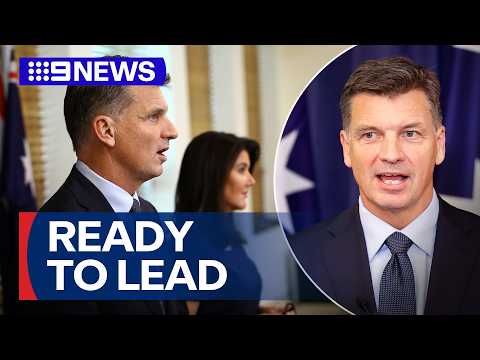
    Taylor wins 34-17, becoming opposition leader. Jane Hume defeats Ted O'Brien 30-20 for deputy. Ley announces resignation from parliament.

  4. Taylor Resigns, Announces Leadership Bid

    Leadership

    Taylor resigns from shadow cabinet, stating Ley is not "in a position to lead the party as it needs to be led."

  5. Coalition Reunifies

    Coalition

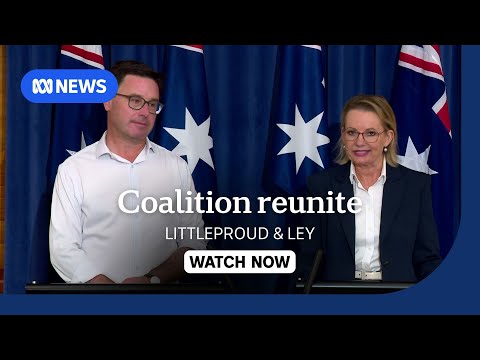
    Liberals and Nationals end 17-day split, rejoining formal coalition arrangement.

  6. Littleproud Survives Leadership Challenge

    Leadership

    Littleproud defeats Boyce in party room vote, retaining Nationals leadership.

  7. Nationals MP Challenges Littleproud

    Leadership

    Colin Boyce announces leadership challenge, calling Coalition split "political suicide."

  8. Coalition Splits Over Hate Speech Vote

    Coalition

    Three National Party frontbenchers cross the floor to vote against hate speech laws. Littleproud announces Nationals will sit on crossbench separately.

  9. Parliament Reconvenes for Hate Speech Laws

    Legislative

    Albanese recalls parliament to pass emergency hate speech and firearms legislation in response to Bondi attack.

  10. Bondi Beach Shooting Kills Dozens

    Incident

    Gunman attacks Hanukkah celebration at Bondi Beach in deadliest terrorist attack in Australian history. Government announces hate speech legislation.

  11. Coalition Reunifies After Eight-Day Split

    Coalition

    Liberals and Nationals reunify after Ley agrees to four policy demands from Littleproud. Taylor appointed shadow defence minister.

  12. Ley Becomes First Female Liberal Leader

    Leadership

    Sussan Ley defeats Angus Taylor 29-25 in leadership ballot, becoming first woman to lead the Liberal Party, the Coalition, or serve as federal opposition leader.

  13. Labor Wins Historic Landslide, Dutton Loses Seat

    Election

    Labor wins 94 seats with 55.22 percent two-party-preferred vote. Peter Dutton becomes first opposition leader to lose his own seat. Coalition reduced to 43 seats.

Scenarios

1

Taylor Consolidates, Liberals Recover Ground by 2028

Discussed by: The Conversation, Australian Financial Review analysts

Taylor uses his policy background and factional support to rebuild party discipline and develop clear policy alternatives on immigration, energy, and housing. The Farrer by-election provides an early test. If Liberals hold the seat and avoid further Coalition rifts, polling could narrow as Labor faces second-term challenges on cost of living. Taylor's experience as shadow treasurer positions him to attack on economic issues if interest rates remain elevated.

2

One Nation Permanently Displaces Liberals as Main Opposition

Discussed by: Roy Morgan Research, Poll Bludger analysis

With One Nation polling at 25 percent primary vote compared to Liberals' 20 percent, a structural realignment of the Australian right is possible. If Taylor cannot differentiate his immigration and energy positions from Pauline Hanson while maintaining appeal to moderate suburban voters, the Liberal base continues fragmenting. Urban seats shift to teals and Labor while regional seats shift to One Nation.

3

Coalition Fractures Permanently, Parties Compete Separately

Discussed by: The Conversation political scientists

After two splits in nine months, the Liberal-National Coalition may not survive another major policy disagreement. If Nationals pursue a distinctive regional identity to compete with One Nation in rural seats while Liberals chase suburban moderates, the formal alliance becomes untenable. Each party would need to win seats independently, fundamentally reshaping Australian politics.

4

Taylor's Past Controversies Resurface, Fourth Leader by 2027

Discussed by: Independent Australia, The Guardian commentators

Taylor's previous controversiesโ€”questions over the $80 million water buyback connected to a company where he was formerly a director, the allegedly falsified council documents sent to media, and investigations into land clearing on family propertyโ€”receive renewed scrutiny. If these issues damage his standing or by-election campaigns fail, the party's instability could trigger another leadership change before the 2028 election.

Historical Context

Alexander Downer's Eight-Month Leadership (1994-1995)

May 1994 - January 1995

What Happened

Downer defeated John Hewson for Liberal leadership in May 1994 with initially high approval ratings reaching 53 percent. A series of gaffes, including a joke about domestic violence policy, eroded his support. By December 1994 his approval had fallen to 34 percent. He resigned in January 1995 without leading the party to an election, replaced by John Howard.

Outcome

Short Term

Howard became Liberal leader and led the party to a landslide victory in 1996.

Long Term

Downer served as Foreign Minister for 11 years under Howard, demonstrating that failed leaders can find productive roles in subsequent governments.

Why It's Relevant Today

Ley's 276-day tenure is the second shortest after Downer's eight months. Both leaders faced party rooms impatient with poor polling and eager for change before facing voters.

2018 Liberal Leadership Spills (Turnbull-Morrison-Dutton)

August 2018

What Happened

Prime Minister Malcolm Turnbull faced two leadership challenges within a week. He survived the first against Peter Dutton 48-35, but resigned rather than contest the second. Scott Morrison defeated Dutton 45-40 to become prime minister. Turnbull quit parliament immediately, triggering a by-election the Coalition lost.

Outcome

Short Term

Morrison stabilized the government and won the 2019 election against expectations.

Long Term

The pattern of leadership instability continued, with the Liberals now on their fourth leader in four years following the 2022 loss.

Why It's Relevant Today

Like Turnbull, Ley is leaving parliament after losing leadership, triggering a by-election. The pattern of departing leaders creating electoral problems for successors continues.

Labor's Post-2013 Opposition Rebuild

September 2013 - May 2019

What Happened

After losing to Tony Abbott in 2013, Labor elected Bill Shorten as leader through a new system including rank-and-file members. Shorten led the party through two elections, nearly winning in 2016 before losing unexpectedly in 2019. Anthony Albanese then led Labor to victory in 2022.

Outcome

Short Term

Shorten provided six years of stable opposition leadership, allowing policy development.

Long Term

The extended rebuild period allowed Labor to develop detailed policy platforms and retain experienced frontbenchers.

Why It's Relevant Today

Taylor faces the same challenge: building a credible alternative government over multiple years of opposition. The Liberals' rapid leadership turnover contrasts with Labor's patient rebuild after 2013.

13 Sources: