

Pull to refresh
Logo
States, cities sue to block expanded public charge rule

States, cities sue to block expanded public charge rule

Rule Changes

22 states plus DC and six municipalities filed suit ahead of Friday's effective date

Yesterday: 22 states and DC file suit in SDNY

Overview

Updated 11 minutes ago

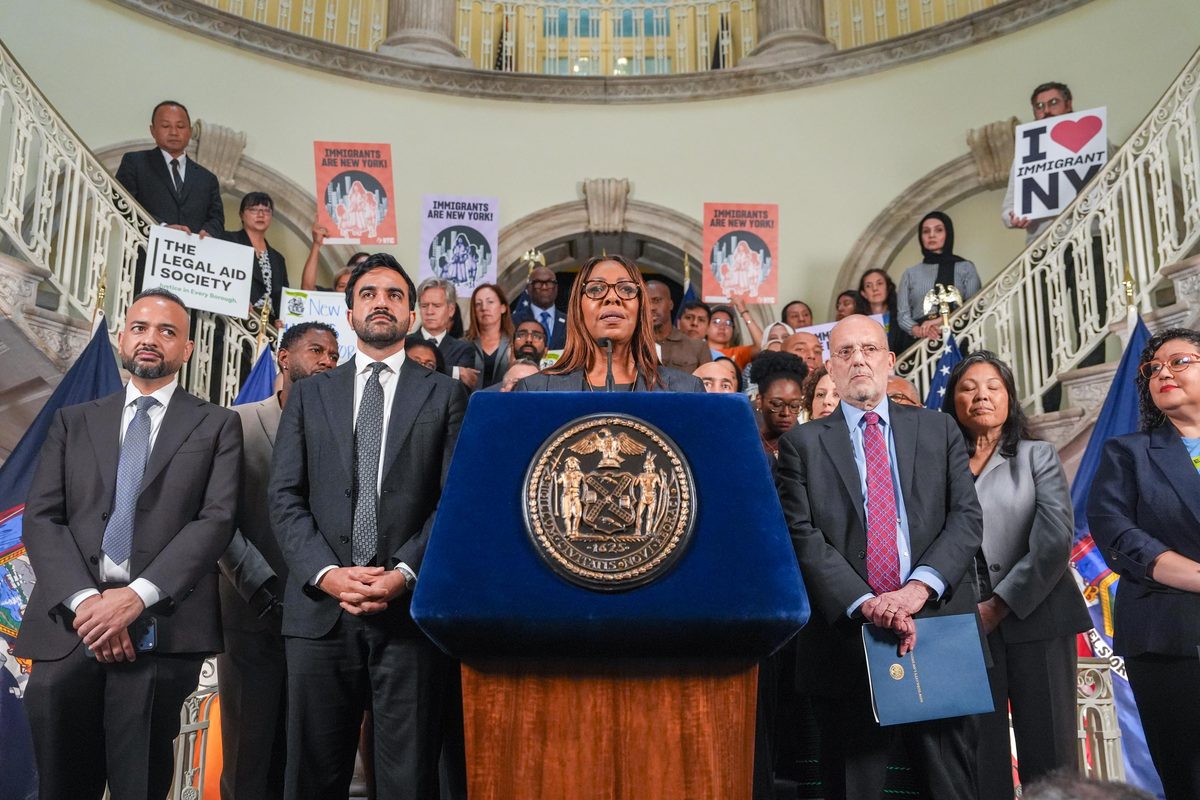
Twenty-two states and the District of Columbia sued the Trump administration Monday over a new immigration rule. It lets officers deny green cards, visas, or entry to applicants who use or might use public benefits. New York City Mayor Zohran Mamdani filed a parallel suit on behalf of six cities and counties.

The rule, effective September 18, rescinds 2022 guidance that excluded non-cash benefits like Medicaid, food stamps, and housing vouchers from consideration. The plaintiffs argue it gives individual officers "unprecedented, sweeping discretion" and would push immigrant families off programs they are legally eligible for.

Why it matters

If the rule survives, immigrant families may drop Medicaid, food aid, and housing help to shield relatives' green card applications, including US citizens.

Questions about this story

Free account needed to ask — your question is kept and asked for you right after sign-up. Answers are public.

No questions yet — be the first to ask.

Key Indicators

22 + DC
states and the District of Columbia in the state-led suit
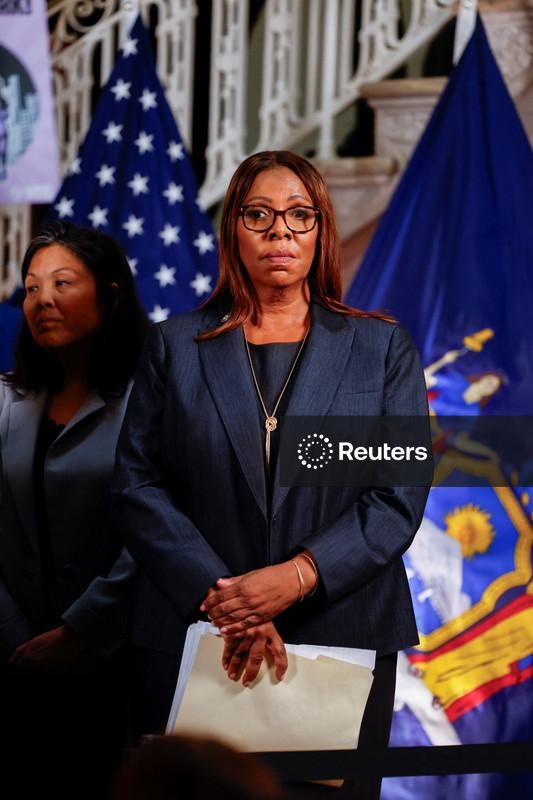
The Southern District of New York complaint led by Attorney General Letitia James.
6
cities and counties in the municipal lawsuit
New York City leads the coalition including Chicago, San Francisco, Santa Clara County, Seattle, and King County.
Sept 18, 2026
scheduled effective date of the rule
DHS may begin applying the standard unless a court blocks it.

Voices

Curated perspectives — historical figures and your fellow readers.

Ever wondered what historical figures would say about today's headlines?

Sign up to generate historical perspectives on this story.

People Involved

Organizations Involved

Timeline

May 1999 September 2026

7 events Latest: Yesterday
Tap a bar to jump to that date
  1. Rule scheduled to take effect

    Upcoming Regulatory change

    DHS may begin applying the new standard unless a court grants an injunction before or shortly after this date.

  2. DHS publishes new expanded rule

    Regulatory change

    Final rule rescinded the 2022 regulations, published at 91 Fed. Reg. 45324. More expansive than the 2020 version, it lists no specific safety-net programs.

  3. Biden DHS restores narrow standard

    Regulatory change

    Final rule again excluded non-cash benefits, returning to the 1999-era interpretation.

  4. First Trump public charge rule takes effect

    Regulatory change

    Expanded the benefits counted against immigrants to include Medicaid, food stamps, and housing vouchers. Litigation followed immediately.

  5. INS issues narrow definition of 'public charge'

    Regulatory guidance

    Field guidance established that only cash assistance or long-term institutional care counted, excluding non-cash benefits.

Scenarios

1

Judge blocks rule, citing irreparable harm

Likely Resolves by Nov 15, 2026

Discussed by: Reuters, The Guardian, and attorneys for the plaintiff coalitions

A Southern District of New York judge grants a preliminary injunction before or shortly after the September 18 effective date. The decision would cite the plaintiffs' argument that the rule rewrites settled law and that a chilling effect on benefit enrollment constitutes irreparable harm. The rule would pause while the merits case proceeds.

2

Rule takes effect as litigation grinds on

Possible Resolves by Oct 31, 2026

Discussed by: CNN and The Hill coverage of the September 18 effective date

No injunction materializes before the effective date. The rule goes into force and DHS begins applying it to pending applications. Immigrant households face the chilling-effect consequences plaintiffs warned about while the case proceeds through briefing and argument over the following months.

3

Second Circuit and Supreme Court review follow

Possible Resolves by Q2 2027

Discussed by: Bloomberg Law and legal observers tracking the 2020 precedent

The district court rules against the administration, and DHS appeals to the Second Circuit. A panel ruling, then a possible Supreme Court petition, would mirror the 2020 litigation cycle that ended in dismissal only after the Biden administration rescinded the rule. The case could stretch into 2027.

Historical Context

3 moments from history that rhyme with this story — and how they unfolded.

August 1996

Welfare reform restricts immigrant benefits (1996)

The Personal Responsibility and Work Opportunity Reconciliation Act barred most legal immigrants from food stamps and Supplemental Security Income, and let states restrict their access to Medicaid and cash assistance.

Then

Immigrant enrollment in safety-net programs fell sharply amid widespread confusion and fear about consequences for their status.

Now

It set the modern template for linking immigration status to public benefits eligibility, a debate that continues in the public charge fight.

Why this matters now

The 2026 rule extends the same logic, making benefit use a potential barrier to admission or permanent residency.

May 1999

INS public charge guidance (1999)

The Immigration and Naturalization Service issued field guidance defining a public charge as someone primarily dependent on cash assistance or long-term institutional care. It explicitly excluded non-cash benefits like Medicaid and food stamps.

Then

The guidance stood as the administrative standard for two decades, surviving multiple administrations.

Now

It became the baseline both sides argue about: the 2020 and 2026 rules sought to overturn it, and the 2022 Biden rule restored it.

Why this matters now

The plaintiffs argue this settled interpretation was ratified by Congress, making the 2026 rule an unlawful departure rather than a policy choice.

February 2020

First Trump public charge rule (2020)

The first Trump administration's rule, effective February 24, 2020, expanded the benefits that could count against immigrant applicants to include Medicaid, food stamps, and housing vouchers. States and cities sued within days.

Then

Federal courts partly blocked enforcement during the pandemic; the Supreme Court dismissed the case as moot in April 2021 after President Biden ordered a review.

Now

The Biden administration rescinded the rule in 2022, restoring the narrower 1999 definition that excluded non-cash benefits.

Why this matters now

The 2026 rule is a direct descendant of the 2020 rule, and the litigation cycle now unfolding tracks that earlier fight almost exactly.

Sources

(10)