
Pull to refresh
Logo
Quantum Space joins NASA's Moon Base supply chain with its Ranger tug

Quantum Space joins NASA's Moon Base supply chain with its Ranger tug

New Capabilities

An Arrow-led team won $185 million to send CAPSTONE-2 toward lunar orbit, and Quantum Space's cut is about 25%

Overview

Updated Yesterday

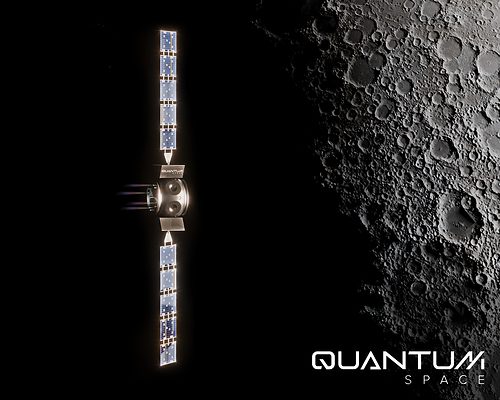
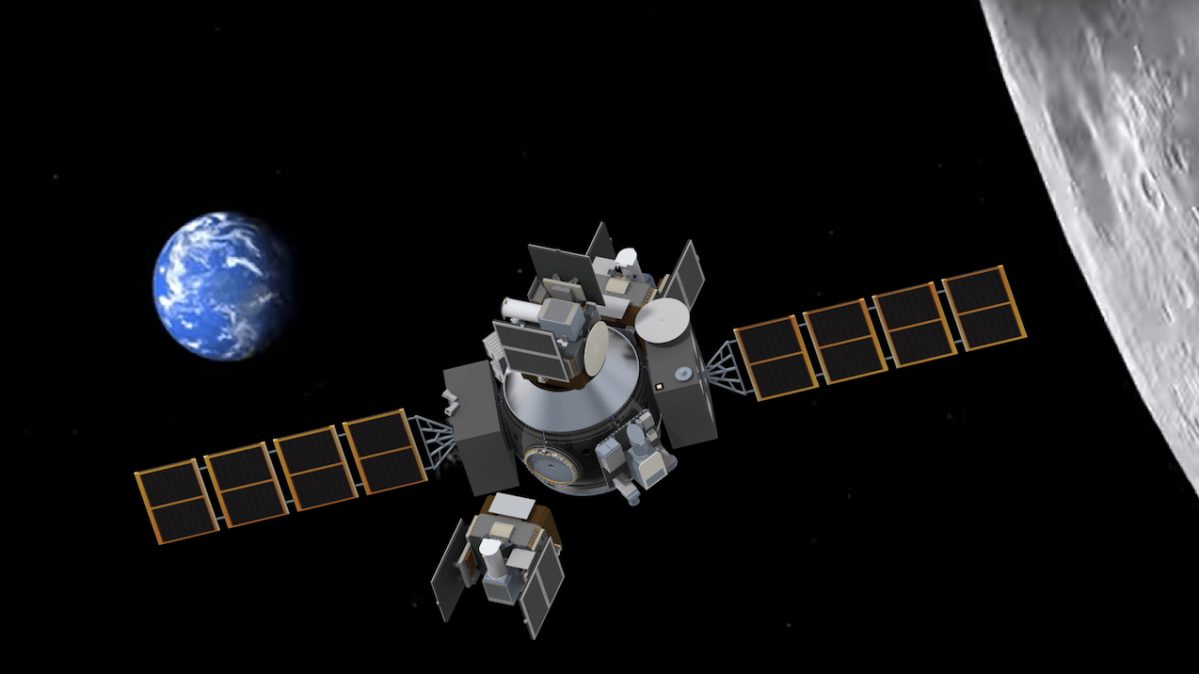
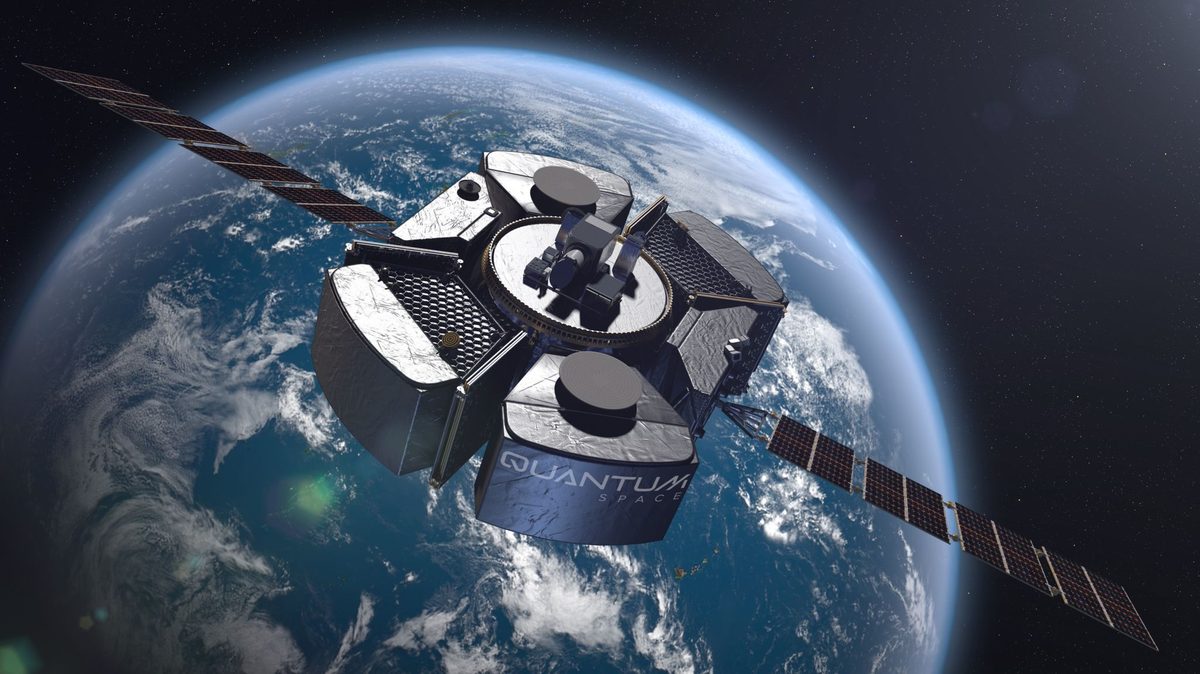
NASA on Nov. 7 named the companies that will ferry cargo between Earth orbit and the Moon, and Quantum Space's Ranger tug made the list. Flying on an Arrow Science and Technology team, Ranger is slated to carry NASA's CAPSTONE-2 spacecraft toward lunar orbit under a $185 million award, about 25% of which goes to Quantum.

The award is one piece of a larger procurement shift. NASA is buying lunar transportation as a service under its Venture-Class Acquisition of Dedicated and Rideshare (VADR) contracts rather than building tugs itself; six task orders worth about $1.3 billion combined went out the same day to teams led by Arrow, Blue Origin and Impulse Space. Ranger, though, is still in development, so the contract buys a capability, not a flight record.

Why it matters

NASA is buying lunar freight as a service. The companies that prove orbital transfer first will set the price for reaching the Moon's south pole.

Questions about this story

Free account needed to ask — your question is kept and asked for you right after sign-up. Answers are public.

No questions yet — be the first to ask.

Key Indicators

$185M
Arrow-led team award
Total value of the NASA Moon Base Transportation award to the Arrow team.
25%
Quantum Space's share
Quantum's approximate portion of the award, with subcontract terms still being finalized.
~$46M
Implied Quantum Space value
Arithmetic from the stated $185 million award and 25% share; not a separately announced figure.
$1.3B
Six VADR task orders combined
Announced the same day across Arrow, Blue Origin and Impulse Space.
$5B
VADR contract ceiling
Maximum total value across all VADR contracts, not a new award.

Voices

Curated perspectives — historical figures and your fellow readers.

Sign up to generate historical perspectives on this story.

People Involved

Organizations Involved

Timeline

June 2022 November 2026

3 events Latest: Yesterday
  1. NASA awards six lunar transport task orders under VADR

    Latest Contract award

    About $1.3 billion combined goes to teams led by Arrow, Blue Origin and Impulse Space.

  2. Quantum Space named on $185 million Arrow team

    Contract award

    Ranger will carry CAPSTONE-2 toward lunar orbit; Quantum's share is about 25%.

  3. NASA's first CAPSTONE launches to test lunar navigation

    Mission

    The small spacecraft flew to a lunar orbit to test navigation and communications.

Scenarios

1

Ranger delivers CAPSTONE-2 to lunar orbit on its first attempt

Possible Resolves by End of 2028

Discussed by: Quantum Space and NASA program statements

Ranger is still in development. If integration finishes and the Falcon 9 launch holds, the tug performs the orbital transfer and releases CAPSTONE-2 to test navigation, proximity maneuvers and communications near the Moon. Success would give Quantum a flown vehicle at the moment NASA is choosing who moves cargo to the south pole.

2

Quantum Space wins a Moon Base task order as prime contractor

Uncertain Resolves by End of 2027

Discussed by: Company statements and NASA's VADR award structure

NASA has split transportation work across several teams and left room for repeat orders under the $5 billion VADR ceiling. If Ranger performs or the company's cislunar work matures, Quantum could move from subcontractor on an Arrow team to leading its own task order.

3

Quantum Space and Arrow finalize their subcontract terms

Likely Resolves by Q2 2027

Discussed by: Quantum Space's announcement

Quantum's 25% share is an estimate attached to terms the two companies say are still being finalized. Confirmation would lock in the arrangement before hardware work begins. If it stalls, the team structure NASA announced could change.

Historical Context

3 moments from history that rhyme with this story — and how they unfolded.

2006-2013

Commercial Orbital Transportation Services (2006-2013)

NASA offered fixed-price awards to companies willing to deliver cargo to the International Space Station, instead of buying the rockets and spacecraft itself. SpaceX and Orbital Sciences won the early agreements and flew demonstration missions.

Then

SpaceX's Falcon 9 and Dragon reached the station, and Orbital's Antares and Cygnus followed.

Now

Buying services rather than hardware became NASA's default approach for low Earth orbit, and later for lunar delivery.

Why this matters now

The VADR task orders apply the same structure to moving cargo between Earth orbit and the Moon, with NASA as customer rather than operator.

November 2018-present

Commercial Lunar Payload Services (2018-present)

NASA picked a pool of companies eligible to bid on lunar surface deliveries under fixed-price task orders. Astrobotic's Peregrine launched in January 2024 and failed before landing; Intuitive Machines' Odysseus landed the following month and tipped over on the surface.

Then

The first two deliveries produced one failure and one partial success.

Now

NASA kept buying delivery services and expanded the pool, raising the CLPS contract to $4.2 billion in November 2026 and naming eight companies for a follow-on contract.

Why this matters now

Transportation awards are the layer above CLPS: a lander still needs a ride to lunar orbit, and Ranger is one of the vehicles NASA is now paying to provide it.

June-November 2022

CAPSTONE (2022)

NASA launched a small spacecraft called CAPSTONE on a Rocket Lab Electron to test the navigation and communications techniques needed for a lunar orbit called near-rectilinear halo orbit. It arrived in that orbit in November 2022.

Then

The mission validated navigation approaches for the Gateway station concept.

Now

It established a low-cost path for testing lunar navigation with small spacecraft.

Why this matters now

CAPSTONE-2 repeats that experiment with a commercial orbital transfer vehicle doing the delivery, making Ranger part of the test.

Sources

(5)