Pull to refresh
Logo
Daily Brief
Following
Why Ranks Sign Up
Astrobotic readies Griffin-1, its second try at landing on the Moon

Astrobotic readies Griffin-1, its second try at landing on the Moon

New Capabilities

Two years after its first lander failed in space, the company prepares its largest spacecraft for environmental testing and a late-2026 launch.

Yesterday: Griffin-1 heads for environmental testing

Overview

In January 2024, Astrobotic's first Moon lander leaked fuel hours after launch and burned up over the Pacific. It never reached the Moon. Now the Pittsburgh company is shipping a second, far bigger lander to a NASA test lab in California.

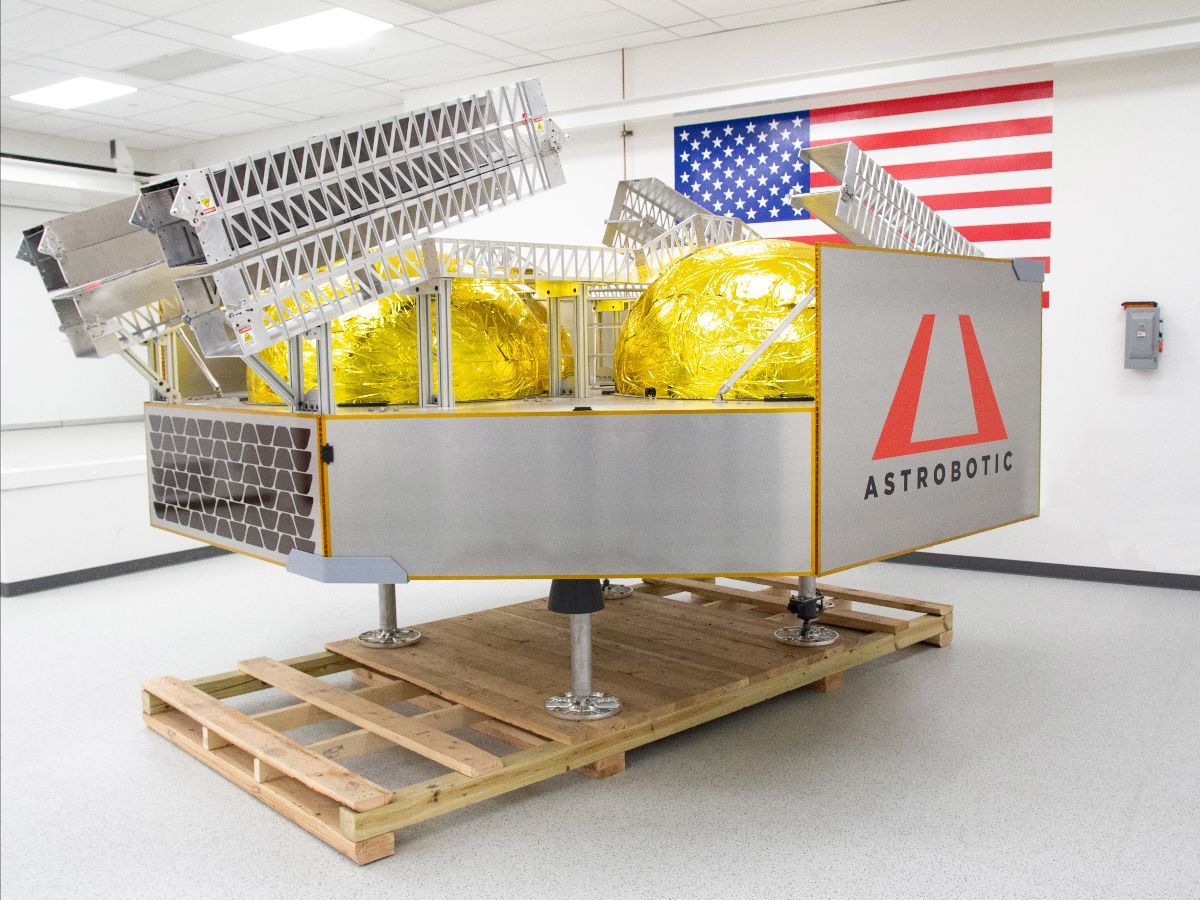
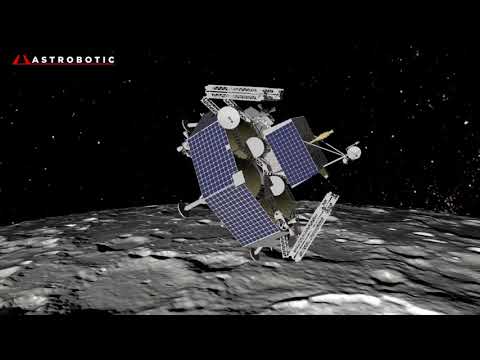
Griffin-1 is built to set down 650 kilograms of cargo on the lunar surface, the heaviest commercial payload ever sent to the Moon. A successful landing would prove the United States can deliver rovers and base hardware to the Moon through private contractors, not just government rockets. A second failure would deepen doubts about that model.

Why it matters

If Griffin-1 lands, NASA gains a commercial way to deliver heavy cargo to the Moon. If it fails, the second strike falls on Astrobotic.

Questions about this story

No questions yet — be the first to ask.

Key Indicators

650 kg
Payload capacity
The largest commercial payload ever bound for the lunar surface.
10
Payloads aboard
Instruments and rovers from six nations ride on Griffin-1.
Q4 2026
Launch target
Planned liftoff on a SpaceX Falcon Heavy from Cape Canaveral.
$300M
Voyager acquisition
Voyager Technologies agreed in June 2026 to buy Astrobotic.

Voices

Curated perspectives — historical figures and your fellow readers.

Ever wondered what historical figures would say about today's headlines?

Sign up to generate historical perspectives on this story.

Play

Exploring all sides of a story is often best achieved with Play.

Log in to play. Track your picks, climb the leaderboards. Log in Sign Up
Predict 4 ways this could play out. Contrarian picks score more — points lock when the scenario resolves. Log in to play
Higher or Lower Two numbers from this story. Guess which is bigger. 5 rounds to set a streak. Log in to play
Timeline Five events from this story — drag them oldest to newest. Log in to play
Connections Sixteen names from the news. Find the four hidden groups of four. Log in to play

People Involved

Organizations Involved

Timeline

November 2018 June 2026

9 events Latest: Yesterday
Tap a bar to jump to that date
  1. Griffin-1 heads for environmental testing

    Latest Milestone

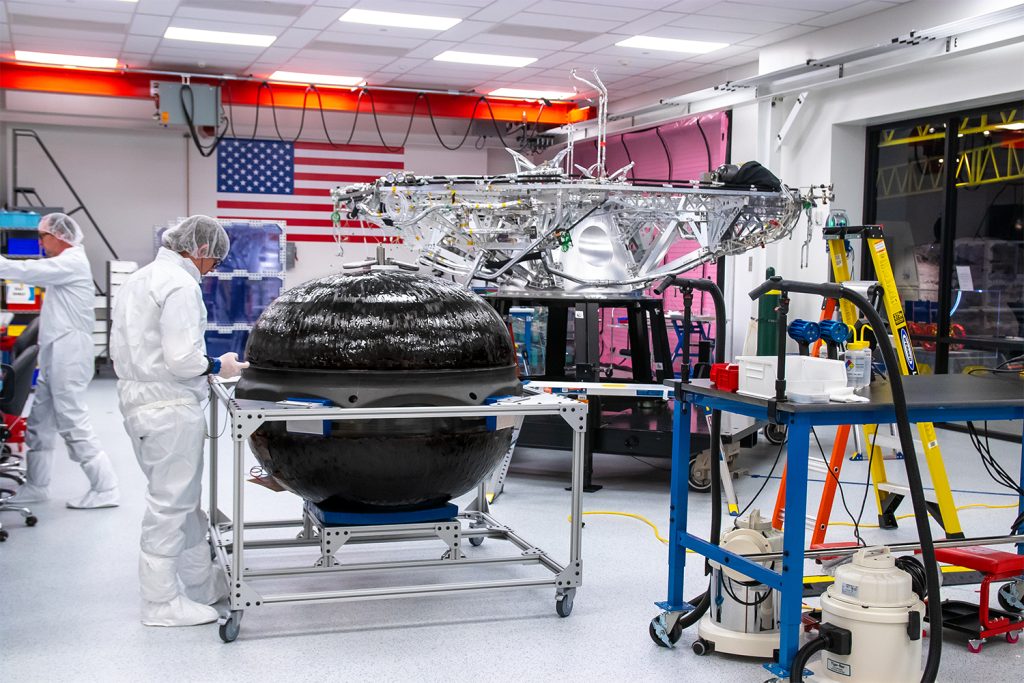
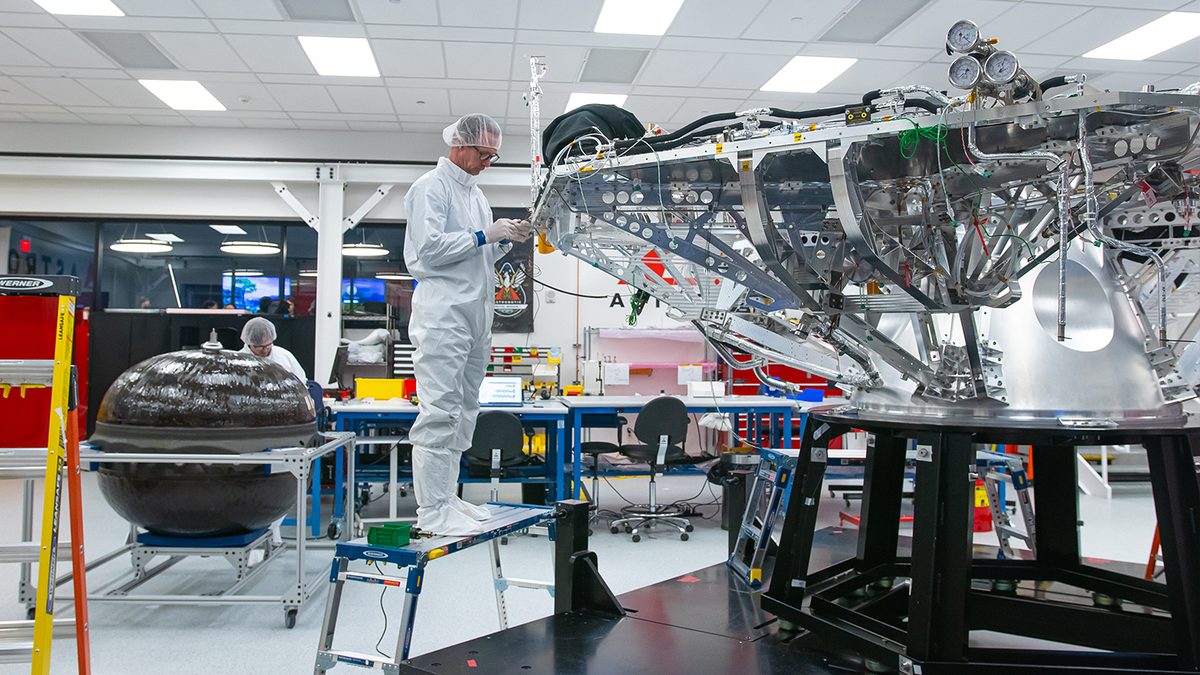
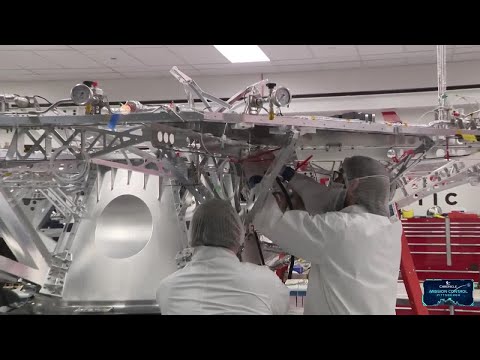
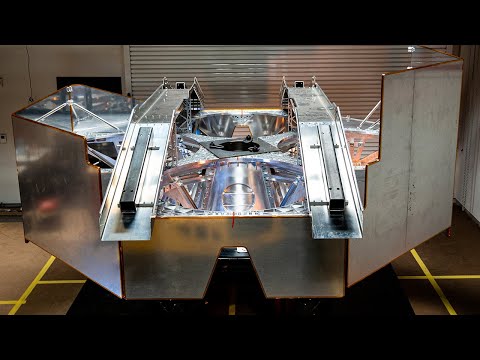
    Astrobotic showcases Griffin-1 as it prepares for shipment to NASA's Jet Propulsion Laboratory in California, where engineers will test it against launch vibration, vacuum, and temperature extremes.

  2. Astrobotic unveils the finished Griffin-1

    Milestone

    At its Pittsburgh headquarters, Astrobotic shows the completed lander to NASA officials and partners ahead of shipment for testing.

  3. Voyager Technologies agrees to buy Astrobotic

    Acquisition

    Voyager Technologies agrees to acquire Astrobotic for up to about $300 million in cash, stock, and milestone payments, with closing expected by early July.

  4. Firefly's Blue Ghost lands cleanly

    Milestone

    Firefly Aerospace sets its Blue Ghost lander down upright on the Moon, the first fully successful CLPS landing and a benchmark for rivals.

  5. NASA cancels VIPER, Griffin loses its rider

    Policy

    Citing cost growth, NASA cancels the VIPER rover. Griffin loses its original main payload, and Astrobotic later books the Astrolab FLIP rover in its place.

  6. Peregrine burns up over the Pacific

    Failure

    Unable to land, the crippled lander is steered back into Earth's atmosphere and destroyed over the South Pacific, ten days after launch.

  7. Peregrine launches, then leaks fuel

    Failure

    Astrobotic's first lander reaches space but loses propellant within hours. A valve fault over-pressurizes a tank, ending any chance of a landing.

  8. NASA picks Astrobotic to deliver the VIPER rover

    Contract

    NASA awards Astrobotic a roughly $200 million task order to fly its water-hunting VIPER rover to the Moon on the Griffin lander.

  9. NASA launches the commercial Moon-delivery program

    Policy

    NASA creates Commercial Lunar Payload Services, hiring private firms to fly cargo to the Moon. Astrobotic is among the first providers selected.

Historical Context

3 moments from history that rhyme with this story — and how they unfolded.

January 2024

Peregrine Mission One (January 2024)

Astrobotic's first lander launched on a new Vulcan rocket and reached space. Within hours a valve fault over-pressurized a propellant tank, and fuel leaked out. The lander could not reach the Moon and burned up over the Pacific ten days later.

Then

Astrobotic lost its first Moon shot and several customer payloads aboard.

Now

The company traced the fault to a valve and redesigned the propulsion plumbing for Griffin-1.

Why this matters now

It is the failure Griffin-1 must answer. Thornton's claim that valve issues are fixed only holds if this lander lands.

February 2024

Intuitive Machines IM-1 Odysseus (February 2024)

Intuitive Machines put the first US lander on the Moon since Apollo. But Odysseus came down too fast, caught a foot, and tipped onto its side. It worked at reduced capacity for a few days.

Then

A partial win: it reached the surface but could not operate as designed.

Now

Showed that the descent and touchdown, not the journey, is where commercial landers keep stumbling.

Why this matters now

Griffin-1 is heavier and taller, which makes an upright, stable landing harder, not easier.

March 2025

Firefly Blue Ghost Mission 1 (March 2025)

Firefly Aerospace landed its Blue Ghost spacecraft upright on Mare Crisium on the first try. It operated through a full lunar day, the first clean success in the CLPS program.

Then

NASA pointed to it as proof the commercial-delivery model can work.

Now

Set the bar every other CLPS provider, including Astrobotic, is now measured against.

Why this matters now

Blue Ghost shows a clean landing is achievable. Griffin-1's job is to repeat it at far greater scale.

Sources

(6)