



Pull to refresh
Logo
Roche-backed lung cancer drug clears phase 3 but trails GSK rival on survival

Roche-backed lung cancer drug clears phase 3 but trails GSK rival on survival

New Capabilities

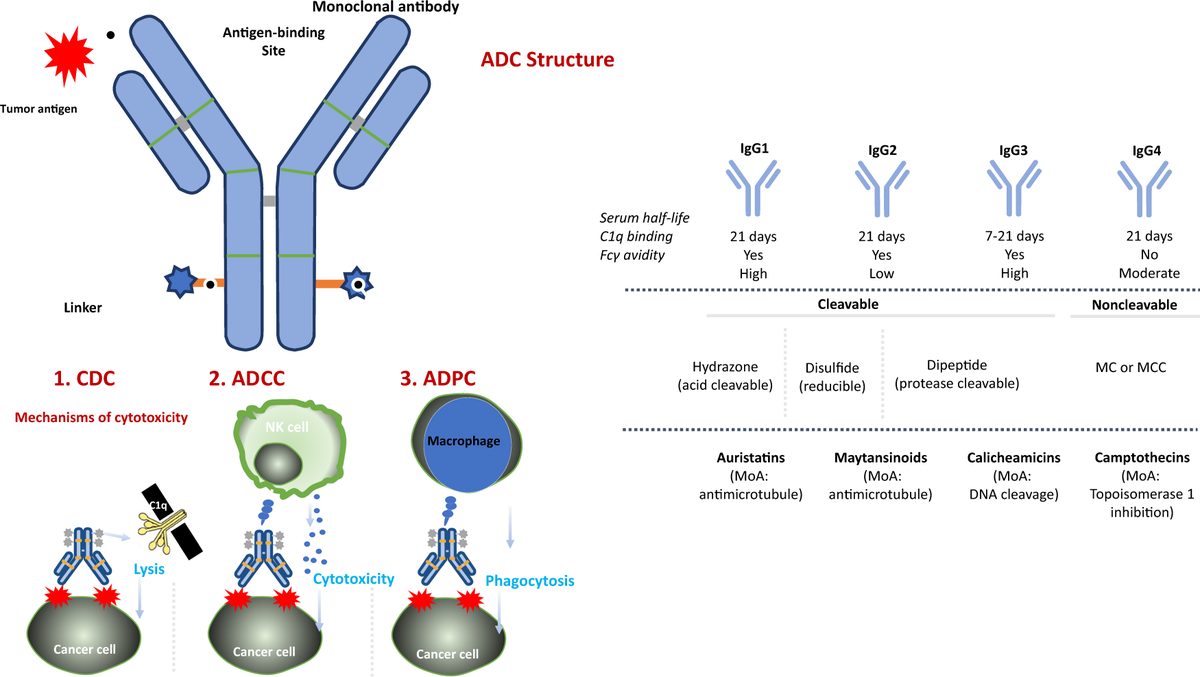
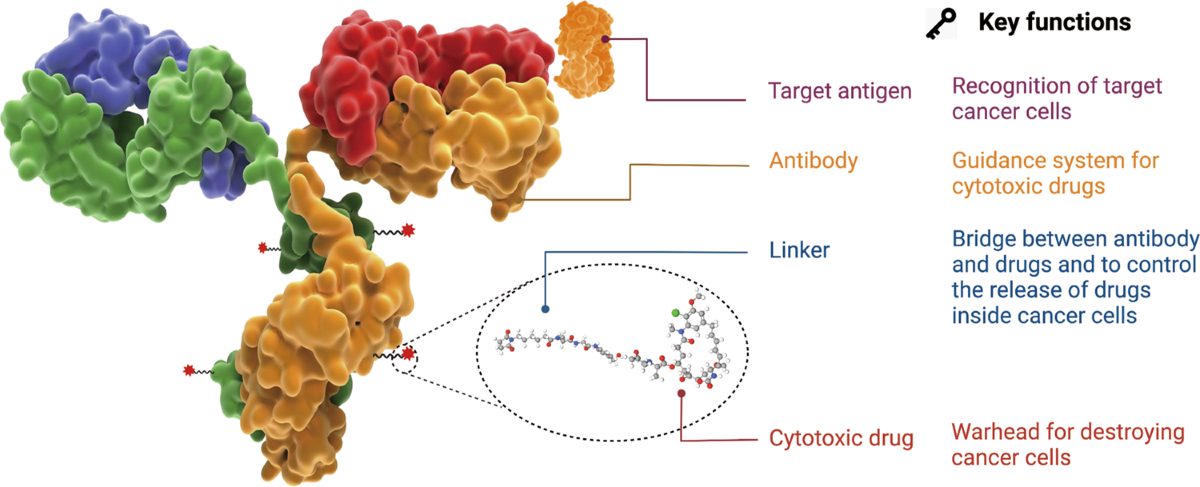
Two antibody-drug conjugates beat topotecan in Chinese trials; a five-month gap in median survival opens a global race.

Today: Fierce Biotech flags cross-trial survival gap

Overview

Updated 2 hours ago

Two rival antibody-drug conjugates just beat the standard of care in relapsed small-cell lung cancer. Roche-partnered Tam-Peli held median survival at 13.3 months; GSK's competitor got 18.5. Both faced the same decades-old chemotherapy — and that five-month gap is the story.

Both drugs beat topotecan on survival, something few candidates have managed in this disease. But the trials ran only in China, cross-trial gaps don't always hold up, and a lung-injury risk has already stalled one rival program. Global confirmatory studies due in 2027 will settle which claim holds.

Why it matters

This race decides which drug becomes the global standard for second-line small-cell lung cancer — a disease where most patients otherwise die in months.

Questions about this story

Free account needed to ask — your question is kept and asked for you right after sign-up. Answers are public.

No questions yet — be the first to ask.

Key Indicators

13.3 months
Tam-Peli median overall survival
Beats topotecan's 9.4 months in TAISHAN-302; the control arm itself far exceeds real-world topotecan survival of roughly 5.5 months.
18.5 months
Ris-Rez median overall survival
GSK's rival China trial: 18.5 vs 10.3 months, a 5.2-month edge over Tam-Peli's absolute number against the same chemotherapy.
HR 0.46
Tam-Peli hazard ratio vs topotecan
A 54% relative risk reduction in death — identical relative benefit to Ris-Rez, but with lower absolute survival.
$570 million
Roche upfront and near-term payments
Paid to MediLink in January 2026 for Tam-Peli rights outside Greater China, plus milestones and royalties.

Voices

Curated perspectives — historical figures and your fellow readers.

Ever wondered what historical figures would say about today's headlines?

Sign up to generate historical perspectives on this story.

People Involved

Organizations Involved

Timeline

January 2026 2027

7 events Latest: Today
Tap a bar to jump to that date
  1. GSK global EMBOLD trial expected to report

    Upcoming Expected Data

    GSK's global EMBOLD SCLC-301 confirmatory trial expected to report.

  2. Fierce Biotech flags cross-trial survival gap

    Today News Analysis

    Fierce Biotech reports Tam-Peli trails Ris-Rez by over five months on cross-trial survival.

  3. Roche announces 54% death-risk reduction

    Announcement

    Roche announces 54% death-risk reduction; NMPA accepts SCLC application for priority review.

  4. Tam-Peli meets survival endpoint at WCLC

    Trial Readout

    MediLink presents TAISHAN-302 interim results at WCLC: median survival 13.3 vs 9.4 months.

  5. GSK's Ris-Rez posts stronger China survival data

    Trial Readout

    GSK's Ris-Rez posts China phase 3 data: median survival 18.5 vs 10.3 months.

  6. NMPA accepts Tam-Peli application in nasopharyngeal carcinoma

    Regulatory

    China's NMPA accepts Tam-Peli application in nasopharyngeal carcinoma from TAISHAN-301 trial.

  7. Roche licenses Tam-Peli outside Greater China

    Deal

    Roche licenses Tam-Peli outside Greater China for $570 million in upfront and near-term payments.

Scenarios

1

China approves Tam-Peli for relapsed SCLC

Likely Resolves by End of 2027

Discussed by: Roche and MediLink press materials; NMPA priority-review pathway

The NMPA accepted Tam-Peli's SCLC application for priority review in September 2026, weeks after the TAISHAN-302 readout. With a 54% reduction in death risk and an objective response rate of 59.1%, approval is the most direct path. It would make Tam-Peli the first B7-H3 ADC marketed in China, a beachhead while Roche runs global trials.

2

Ris-Rez confirms class lead in EMBOLD global trial

Possible Resolves by End of 2027

Discussed by: GSK; AllMind News analyst note

GSK's EMBOLD SCLC-301 is the decisive test. A win would lock in Ris-Rez's status as front-runner — better China survival (18.5 months), comparable objective response rate (58.3%), and lower severe side-effect rates (60.9% vs 78.2% for topotecan). Because GSK holds ex-China rights, the economics flow to London.

3

Lung-injury toxicity forces clinical hold on B7-H3 ADCs

Possible Resolves by End of 2027

Discussed by: Daiichi-Merck pause; ainvest.com analysis

The Daiichi-Merck program paused enrollment after treatment-related lung-injury deaths — a reminder that B7-H3 ADCs with this payload class carry pulmonary risk. If Tam-Peli or Ris-Rez shows similar signals in global trials, regulators could impose a clinical hold. That would compress differentiation among four late-stage programs into safety profiles alone.

4

Ex-China trials fail to reproduce China-only survival gains

Possible Resolves by End of 2027

Discussed by: ainvest.com critical review; AllMind News regional-difference concerns

Both pivotal readouts came from China-only trials. Patient populations, standard of care, and treatment sequencing differ in the West, and Tam-Peli's absolute survival (13.3 months) already trails Ris-Rez's China number by five months. If a global confirmatory trial misses its endpoint, the weaker drug loses relevance.

Historical Context

3 moments from history that rhyme with this story — and how they unfolded.

August 2018 – 2019

Rova-T: AbbVie's SCLC ADC failure (2018-2019)

AbbVie paid $5.8 billion in 2016 to buy Stemcentrx and its DLL3-targeted antibody-drug conjugate Rova-T, then the most hyped SCLC drug in development. Early single-arm data looked strong. When phase 3 testing began, Rova-T underperformed topotecan and AbbVie shut down the program in 2019, taking a multibillion-dollar write-down.

Then

Rova-T never reached approval; AbbVie exited SCLC entirely.

Now

The failure cooled investor enthusiasm for SCLC antibody-drug conjugates for years, until this new B7-H3 cohort.

Why this matters now

Tam-Peli and Ris-Rez are answering the question Rova-T failed: can an ADC truly extend survival in small-cell lung cancer in randomized testing?

June 2020 – 2026

Lurbinectedin's confirmatory failure (2020-2026)

The U.S. Food and Drug Administration approved Jazz Pharmaceuticals' lurbinectedin for relapsed SCLC in June 2020 based on tumor response rates, not survival. The confirmatory LAGOON trial, comparing it against topotecan, then missed its overall survival endpoint — the lurbinectedin arm looked numerically worse than chemotherapy.

Then

The drug stayed on the market, but the survival claim never materialized.

Now

It set the precedent that beating topotecan on survival, not response rate, is the bar that matters in relapsed SCLC.

Why this matters now

Both Tam-Peli and Ris-Rez cleared the survival bar lurbinectedin missed — but against the same weak standard that drug couldn't beat.

Mid-1990s – present

Topotecan's decades-long reign in SCLC (1990s-present)

Topotecan, a chemotherapy approved in the 1990s, has been the reference second-line treatment for small-cell lung cancer for three decades, buying a median survival of five to six months in most real-world studies. Dozens of drugs have failed to displace it.

Then

Every new SCLC candidate has been measured against topotecan.

Now

The bar is so low that beating it says more about the standard than the challenger — the central caveat in reading Tam-Peli's win.

Why this matters now

Tam-Peli (13.3 months) and Ris-Rez (18.5 months) both reset the benchmark, but the control arms in both trials (9.4 and 10.3 months) far exceeded real-world topotecan survival, reflecting healthier enrolled populations.

Sources

(9)