

Pull to refresh
Logo
Daily Brief
Following
Why Ranks Sign Up
Hansoh's B7-H3 ADC wins China breakthrough status for esophageal cancer

Hansoh's B7-H3 ADC wins China breakthrough status for esophageal cancer

New Capabilities

HS-20093 collects its latest fast-track designation as B7-H3 antibody-drug conjugates push into late-line solid tumors

5 days ago: NMPA grants breakthrough status in esophageal cancer

Overview

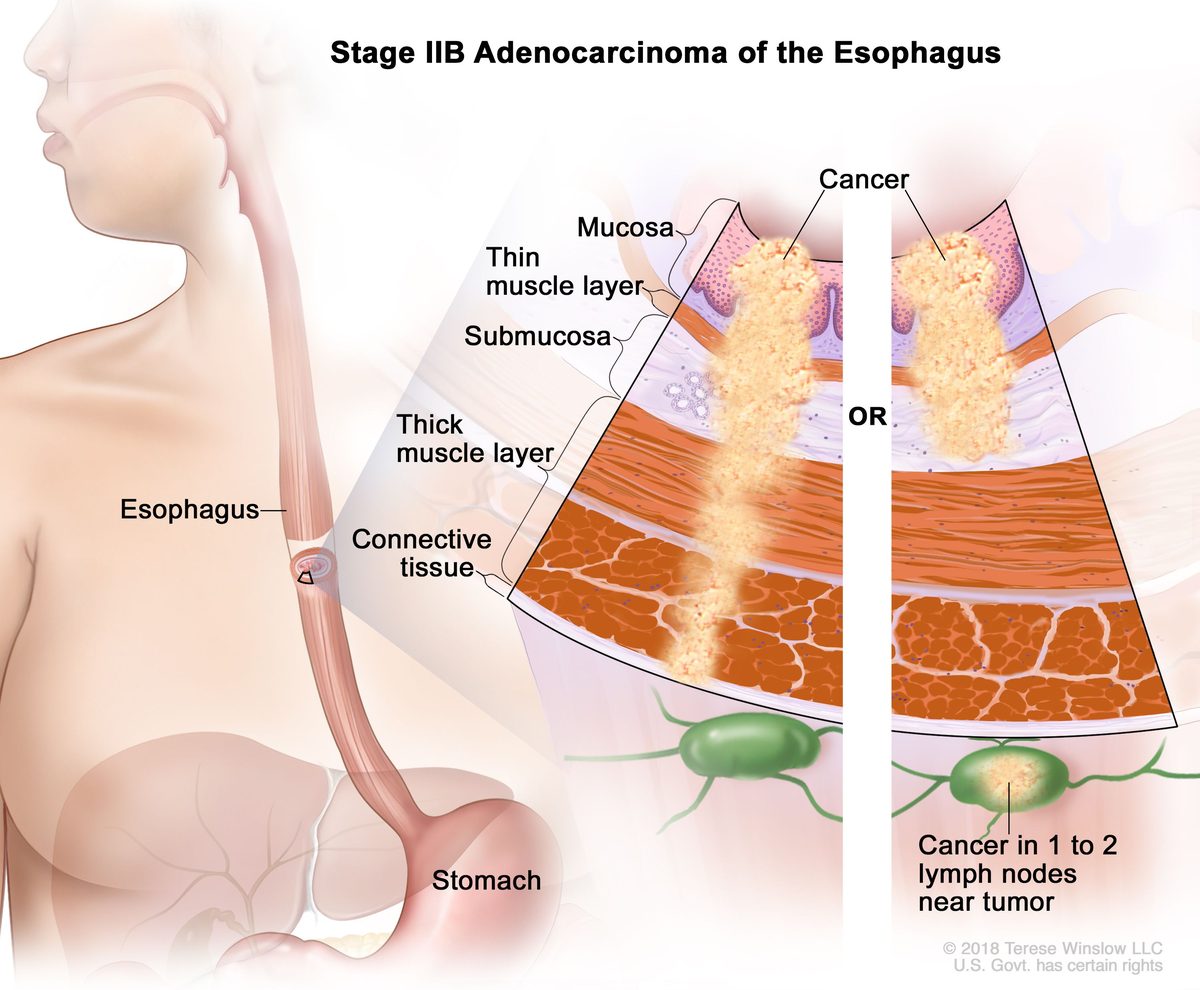
Patients with advanced esophageal squamous cell carcinoma who fail both chemotherapy and immunotherapy have almost no good options. On May 11, China's drug regulator granted breakthrough status to Hansoh Pharmaceutical's HS-20093, a targeted cancer drug built around a protein called B7-H3.

The designation lets Hansoh fast-track trials and review. It is the latest in a run of breakthrough nods for HS-20093 across small cell lung cancer, osteosarcoma, and other solid tumors in China and the United States, putting B7-H3 on the short list of emerging antibody-drug conjugate targets.

Why it matters

Esophageal cancer kills more people in China than almost anywhere else, and second-line patients today have weeks, not years, of survival left.

Play on this story Voices Debate Predict

Key Indicators

4+
Breakthrough designations for HS-20093
Granted across small cell lung cancer, osteosarcoma, esophageal cancer, and other solid tumors in China and the US.
~50%
Global esophageal cancer cases in China
China carries roughly half the world's burden of esophageal cancer, most of it squamous cell type.
<6 months
Typical median survival after second-line failure
Patients who progress on platinum chemotherapy and a PD-1 inhibitor have very limited treatment options.
$4B+
B7-H3 ADC deal value since 2023
Western pharma has paid billions to license Chinese B7-H3 programs, including MSD and BioNTech deals.

Voices

Curated perspectives — historical figures and your fellow readers.

Ever wondered what historical figures would say about today's headlines?

Sign up to generate historical perspectives on this story.

Play

Exploring all sides of a story is often best achieved with Play.

Log in to play. Track your picks, climb the leaderboards. Log in Sign Up
Predict 4 ways this could play out. Contrarian picks score more — points lock when the scenario resolves. Log in to play

People Involved

Organizations Involved

Timeline

  1. NMPA grants breakthrough status in esophageal cancer

    Regulatory

    China's regulator clears HS-20093 for fast-track development in patients with advanced esophageal squamous cell carcinoma who have failed platinum chemotherapy and a PD-1 inhibitor.

  2. Daiichi Sankyo posts rival B7-H3 ADC data

    Competitive

    Daiichi Sankyo's ifinatamab deruxtecan shows similar activity in small cell lung cancer, confirming B7-H3 as a workable target and intensifying the class race.

  3. FDA breakthrough designation in osteosarcoma

    Regulatory

    The US Food and Drug Administration grants HS-20093 breakthrough status for advanced osteosarcoma, a rare bone cancer in children and young adults.

  4. First NMPA breakthrough designation

    Regulatory

    China grants HS-20093 breakthrough therapy status for relapsed small cell lung cancer, the first of several such designations.

  5. Strong early data in small cell lung cancer

    Clinical Data

    HS-20093 posts response rates above 60% in heavily pretreated small cell lung cancer at the San Antonio cancer meeting, a disease where standard chemotherapy responses are usually under 20%.

  6. Hansoh files first HS-20093 trial application

    Clinical Development

    Hansoh starts human trials of HS-20093 in advanced solid tumors. The drug pairs a B7-H3 antibody with a topoisomerase inhibitor payload.

Historical Context

Enhertu redefines HER2-positive cancer (2019-2022)

December 2019 to August 2022

What Happened

Daiichi Sankyo and AstraZeneca won FDA approval for trastuzumab deruxtecan, branded Enhertu, in HER2-positive breast cancer. Follow-up trials showed it also worked in HER2-low breast cancer and HER2-positive gastric and lung cancers, expanding the addressable population sharply.

Outcome

Short Term

Enhertu sales passed $1 billion in 2022 and the drug became standard of care across multiple HER2 settings.

Long Term

The success validated DXd-payload antibody-drug conjugates as a platform and pulled massive capital into the ADC space, including the Chinese programs now reaching late-stage trials.

Why It's Relevant Today

HS-20093 uses the same class of payload chemistry against a different tumor antigen. If B7-H3 expression patterns play out like HER2 did, the drug could move from late-line salvage into earlier treatment settings.

Adcetris launches the modern ADC era (2011)

August 2011

What Happened

The FDA approved brentuximab vedotin, marketed as Adcetris, for relapsed Hodgkin lymphoma after a single phase 2 trial showed 75% response rates. It was the first commercially successful antibody-drug conjugate after years of failures in the class.

Outcome

Short Term

Adcetris reached blockbuster sales within five years and proved that ADCs could be safe and effective when antibody, linker, and payload were properly matched.

Long Term

The approval kicked off two decades of ADC investment that produced more than 15 approved drugs and hundreds of clinical-stage programs, including the B7-H3 class now advancing in China.

Why It's Relevant Today

Like Adcetris, HS-20093 is winning early approvals in narrow, hard-to-treat indications. The Adcetris path shows how that beachhead can expand into a broader franchise if pivotal data hold up.

China overhauls drug review and approval (2015-2018)

August 2015 to October 2018

What Happened

Beijing restructured its drug regulator, cleared a backlog of pending applications, joined the International Council for Harmonisation, and created a breakthrough therapy pathway modeled on the FDA's. Domestic biotech investment surged from under $1 billion a year to more than $10 billion.

Outcome

Short Term

Approval times for innovative drugs in China fell from years to months, and dozens of Chinese biotechs filed first investigational drug applications.

Long Term

China became the second-largest source of new oncology drug candidates worldwide, with companies like Hansoh, BeiGene, and Innovent building globally competitive pipelines.

Why It's Relevant Today

HS-20093's run of breakthrough designations is a direct product of that reform. Without the new NMPA pathway, the drug would likely be three to five years behind in its development timeline.

Sources

(3)