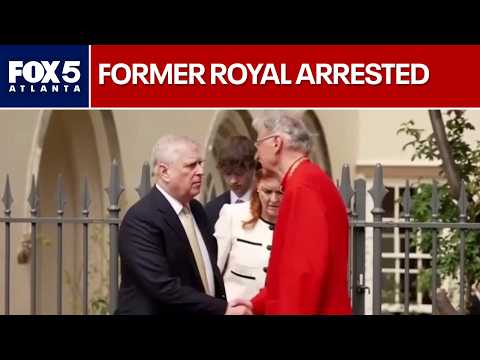
Nearly four centuries ago, the last time British police arrested a senior royal, the monarch lost his head. On February 19, 2026, Thames Valley Police arrested Andrew Mountbatten-Windsor, the former Prince Andrew and brother of King Charles III, on suspicion of misconduct in public office. He's the first senior royal to face criminal investigation in modern history. The next day, police executed search warrants at Royal Lodge, a 30-room Windsor estate, and Wood Farm in Norfolk, seizing potential evidence.
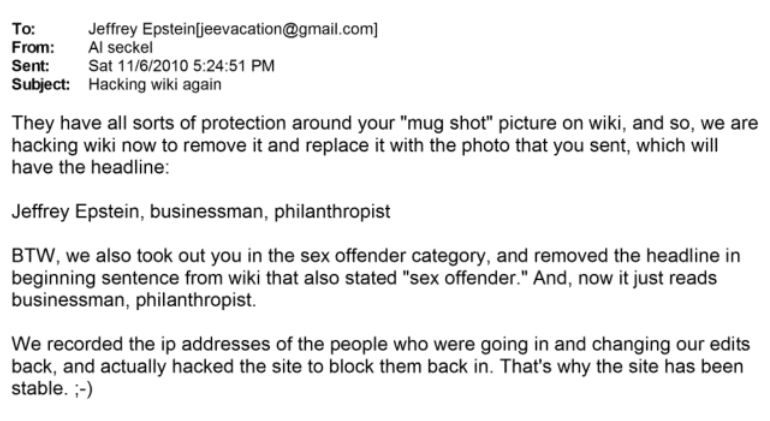
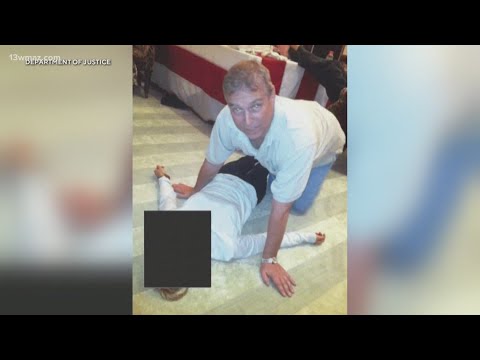
The investigation centers on emails released by the United States Department of Justice under the Epstein Files Transparency Act. These emails appear to show Mountbatten-Windsor forwarding confidential government reports about official trade visits to Hong Kong, Vietnam, and Singapore to convicted sex trafficker Jeffrey Epstein in 2010. If prosecutors bring charges, misconduct in public office carries a maximum sentence of life imprisonment. It's one of the oldest offenses in English common law. King Charles responded with an extraordinary personal statement signed 'Charles R,' telling the public 'the law must take its course' and calling for a 'full, fair and proper' investigation into his own brother.
Questions about this story
Free account needed to ask — your question is kept and asked for you right after sign-up. Answers are public.
No questions yet — be the first to ask.
Key Indicators
~400
Years since last royal arrest
The last senior British royal arrested was King Charles I, who was executed for treason in 1649
Life
Maximum sentence
Misconduct in public office is a common law offense carrying a maximum of life imprisonment
3.5M+
Pages of Epstein files released
The Department of Justice released over 3.5 million pages of documents under the Epstein Files Transparency Act
11
Hours in police custody
Mountbatten-Windsor spent roughly 11 hours at Aylsham police station before being released under investigation
15 events
Latest: February 20th, 2026 · 7 months ago
Showing 8 of 15
JK to step
Tap a bar to jump to that date
Jump to
February 2026
Police Search Royal Lodge and Wood Farm
LatestInvestigation
Police executed search warrants at Royal Lodge, a 30-room Windsor estate, and Wood Farm in Norfolk. The Metropolitan Police separately began contacting Andrew's former royal protection officers as potential witnesses.
Mountbatten-Windsor Arrested on His 66th Birthday
Legal
Thames Valley Police arrested Mountbatten-Windsor at 8 a.m. on suspicion of misconduct in public office. He spent roughly 11 hours at Aylsham police station before being released under investigation.
Republic Files Police Complaint
Investigation
Anti-monarchy group Republic reported Mountbatten-Windsor to Thames Valley Police for suspected misconduct in public office based on the released emails, triggering a formal assessment.
January 2026
Department of Justice Releases Over 3 Million Pages of Epstein Files
Investigation
The Department of Justice released over 3 million pages of documents, 180,000 images, and 2,000 videos related to Epstein, including emails showing Mountbatten-Windsor forwarding confidential government briefings.
November 2025
Epstein Files Transparency Act Signed Into Law
Legal
President Trump signed legislation requiring the attorney general to make all Epstein prosecution files publicly available within 30 days.
October 2025
King Charles Strips Andrew of All Royal Titles
Institutional
Buckingham Palace confirmed King Charles had initiated a formal process to remove all of Andrew's royal titles, honors, and styles, including 'Prince' and 'His Royal Highness.' He became Andrew Mountbatten-Windsor.
Giuffre's Posthumous Memoir Published
Publication
"Nobody's Girl" detailed Giuffre's allegations against Mountbatten-Windsor and Epstein, renewing public scrutiny and intensifying pressure on the royal family.
April 2025
Virginia Giuffre Dies at 41
Key Event
Giuffre, who had accused Mountbatten-Windsor of sexual assault, died by suicide at age 41. Her memoir was published posthumously six months later.
February 2022
Mountbatten-Windsor Settles Giuffre Lawsuit
Legal
Andrew settled Virginia Giuffre's civil sexual assault lawsuit for a reported $16 million without admitting wrongdoing.
December 2021
Ghislaine Maxwell Convicted on Five Counts
Legal
Epstein's longtime associate Ghislaine Maxwell was convicted of conspiracy and sex trafficking of a minor, later sentenced to 20 years in federal prison.
November 2019
Andrew's BBC Newsnight Interview Backfires
Public Statement
In an interview with Emily Maitlis at Buckingham Palace, Andrew attempted to rebut allegations about his relationship with Epstein. The appearance was widely described as a disaster, and he stepped back from royal duties days later.
August 2019
Jeffrey Epstein Dies in Jail
Key Event
Epstein was found dead in his Manhattan jail cell while awaiting trial on federal sex trafficking charges. The medical examiner ruled his death a suicide.
February 2011
"We Are in This Together" Email Sent to Epstein
Key Evidence
Mountbatten-Windsor emailed Epstein writing "we are in this together and will have to rise above it" — more than two months after he later told the BBC he had severed all contact with Epstein.
November 2010
Mountbatten-Windsor Forwards Confidential Reports to Epstein
Key Evidence
While serving as United Kingdom trade envoy, Mountbatten-Windsor emailed Epstein confidential visit reports from Hong Kong, Vietnam, Singapore, and Shenzhen, plus a confidential brief on Afghanistan investment opportunities.
June 2008
Epstein Pleads Guilty to Florida State Charges
Legal
Jeffrey Epstein pleaded guilty to state charges of soliciting a minor for prostitution under a controversial plea deal that avoided federal prosecution, and was sentenced to 18 months.
Scenarios
1
Mountbatten-Windsor Charged With Misconduct in Public Office
Possible
Discussed by: NBC News, legal analysts, and former Crown Prosecution Service officials
Thames Valley Police and the Crown Prosecution Service conclude that the emails, combined with evidence gathered from the residence searches and protection officer interviews, meet the two-part test for prosecution: a realistic prospect of conviction and a public interest in proceeding. Given the severity of the offense — sharing confidential government briefings with a convicted sex offender — and the unprecedented public attention, this would lead to a Crown Court trial. Conviction carries a maximum of life imprisonment, though sentences for misconduct in public office vary widely.
2
Investigation Stalls, No Charges Filed
Possible
Discussed by: The Conversation, constitutional law experts, and defense-side legal commentators
Prosecutors determine that while the emails are damaging, proving Mountbatten-Windsor willfully abused his public office to the criminal standard — 'so far below acceptable standards as to amount to an abuse of the public's trust' — is difficult. The documents may have been classified at a lower level than initially reported, or Mountbatten-Windsor's legal team may argue that his trade envoy role gave him discretion over what information to share. The investigation quietly closes after months, with Mountbatten-Windsor neither charged nor formally cleared.
3
Charges Expanded or Additional Suspects Identified
Unlikely
Discussed by: Republic, Northeastern University analysts, and investigative journalists
The search warrants and protection officer interviews reveal additional evidence of wrongdoing beyond the known emails — potentially involving other officials, intermediaries such as former aide David Stern, or additional sharing of sensitive information. Republic's chief executive has already publicly suggested that 'other senior royals may be material witnesses.' A broader investigation could draw in figures from Mountbatten-Windsor's trade envoy office or from Epstein's wider network of contacts with government officials.
4
Mountbatten-Windsor Leaves the United Kingdom
Unlikely
Discussed by: Royal commentators and tabloid analysts cited in NewsNation and Fox News
Facing ongoing investigation and potential prosecution, Mountbatten-Windsor relocates abroad, following a pattern seen with other disgraced royals historically. Having already lost his titles, residences, and public standing, voluntary exile could be framed as a way to spare the monarchy further embarrassment. This outcome would not resolve the legal question but could complicate any eventual prosecution if he relocates to a jurisdiction with complex extradition arrangements.
Historical Context
3 moments from history that rhyme with this story — and how they unfolded.
1 of 3
March-June 1963
The Profumo Affair (1963)
John Profumo, the United Kingdom's Secretary of State for War, was discovered to have had an affair with 19-year-old model Christine Keeler, who was simultaneously involved with Yevgeny Ivanov, a Soviet naval attache. Profumo lied about the affair to Parliament. When the truth emerged, the resulting scandal centered on a government minister's potential compromise of national security through personal relationships with individuals connected to hostile foreign powers.
Then
Profumo resigned from Parliament on June 5, 1963. Prime Minister Harold Macmillan resigned months later citing ill health, though the scandal had badly damaged his government.
Now
The Conservative Party lost the 1964 general election. The affair became shorthand in British politics for the intersection of personal misconduct, security breaches, and institutional cover-ups.
Why this matters now
Both cases involve a senior British establishment figure sharing access or information with individuals who posed security concerns, and both exposed how personal relationships can compromise the boundary between public duty and private conduct.
2 of 3
February 1985
The Prosecution of Clive Ponting (1985)
Clive Ponting, a senior civil servant at the Ministry of Defence, was prosecuted under the Official Secrets Act for leaking classified documents about the sinking of the Argentine ship General Belgrano during the Falklands War. The case tested whether a public official's duty to Parliament and the public could justify disclosing confidential government information.
Then
A jury acquitted Ponting despite the judge directing them to convict, in a verdict widely seen as a rebuke of the government's secrecy claims.
Now
The case contributed to the passage of the Official Secrets Act 1989, which narrowed the scope of prosecutable disclosures but removed the public interest defense.
Why this matters now
The Ponting case established how difficult it is to prosecute the mishandling of confidential government documents in the United Kingdom. Prosecutors in the Mountbatten-Windsor case face a similar challenge: proving that sharing the documents met the high threshold for criminal misconduct rather than mere poor judgment.
3 of 3
December 1936
The Abdication of Edward VIII (1936)
King Edward VIII abdicated the throne to marry Wallis Simpson, an American divorcee, after the British government and the Church of England refused to accept the marriage. The constitutional crisis lasted just 11 days from the first public reporting to the abdication, but it permanently altered the structure and public perception of the monarchy.
Then
Edward became the Duke of Windsor and lived in effective exile in France. His brother became King George VI.
Now
The abdication established the principle that the monarchy's institutional survival takes precedence over any individual member's conduct, a principle the royal family has applied repeatedly since.
Why this matters now
King Charles's swift decision to strip Andrew's titles and his personally signed statement distancing himself from his brother echo the institutional survival logic of the abdication — the monarchy protecting itself by publicly cutting loose a member whose conduct threatens its legitimacy.