
Pull to refresh
Logo
Hidden teahouse opens in Salt Lake City's Avenues

Hidden teahouse opens in Salt Lake City's Avenues

Money Moves Salt Lake City, UT local

Gramercy House joins a growing cluster of intimate, tucked-away venues offering a quiet escape from the city's bustle.

Overview

Updated 1 hour ago

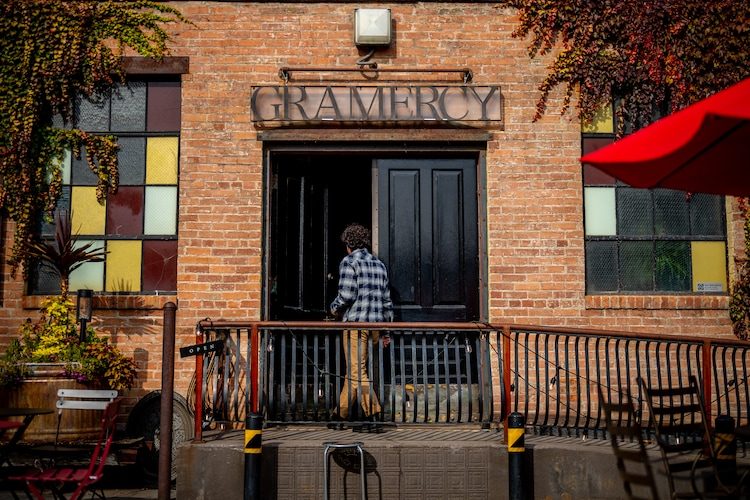
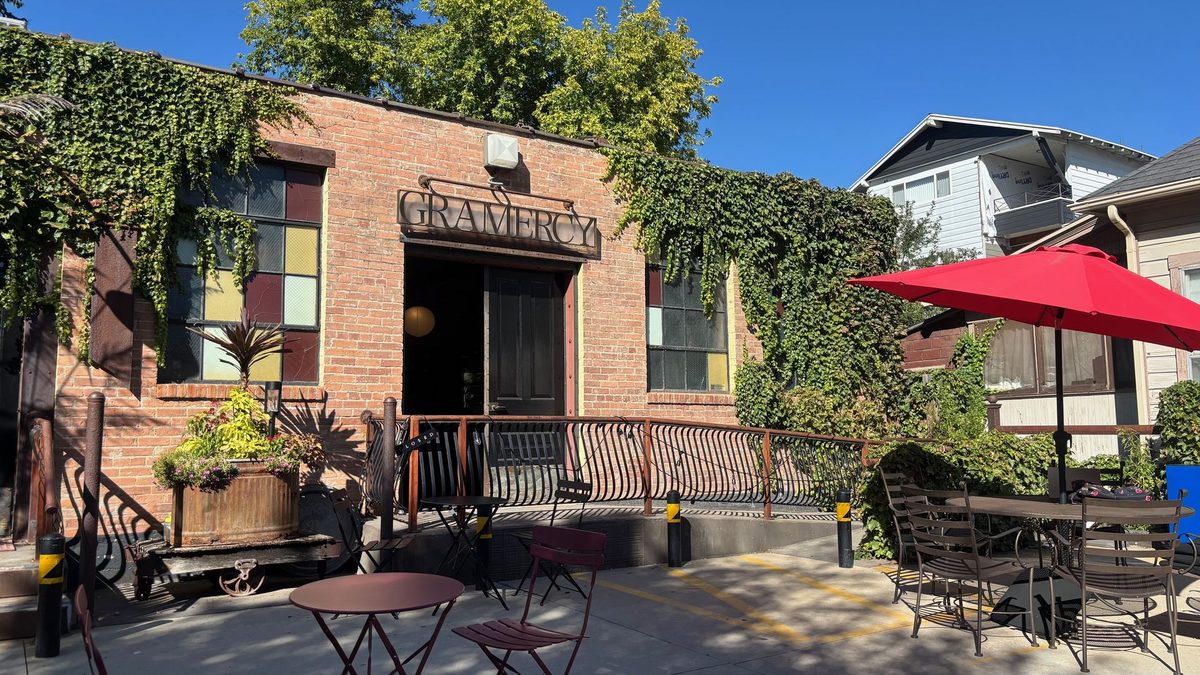
A new teahouse called Gramercy House opened in Salt Lake City's Avenues neighborhood, offering an exposed-brick space designed as an escape from the city's hustle. The Salt Lake Tribune reported the opening on November 13, 2026.

Gramercy House is part of a small but growing trend of hidden, intimate venues in the city. Like the speakeasy Hide & Seek, these spots prioritize atmosphere and exclusivity over street visibility, creating a different kind of third place for residents.

Why it matters

Local venues like this shape neighborhood identity and give residents alternatives to chain cafes and bars.

Last Monday's email for Salt Lake City, UT

Sent Nov 9. It carried:

Get next Monday's: one short email a week. Free. Unsubscribe in one click.

Questions about this story

Free account needed to ask — your question is kept and asked for you right after sign-up. Answers are public.

No questions yet — be the first to ask.

Voices

Curated perspectives — historical figures and your fellow readers.

Sign up to generate historical perspectives on this story.

Organizations Involved

Timeline

1 event Latest: Today
  1. Gramercy House opens in the Avenues

    Today Business Opening

    The Salt Lake Tribune reports the opening of Gramercy House, a new teahouse in a hidden exposed-brick space.

Scenarios

1

Gramercy House becomes a neighborhood staple

Likely Resolves by Nov 13, 2027

Discussed by: Local food critics and residents

If Gramercy House builds a steady following through word-of-mouth and positive reviews, it could become a lasting fixture in the Avenues, reinforcing the appeal of hidden venues.

2

The Avenues sees a wave of hidden venues

Possible Resolves by Nov 13, 2028

Discussed by: Urban development observers

Gramercy House's opening could encourage other entrepreneurs to launch similar tucked-away spots in the Avenues, accelerating a trend of intimate, residential-scale hospitality.

3

Neighborhood opposition leads to zoning restrictions

Unlikely Resolves by Jun 1, 2027

Discussed by: Community groups and city planners

If residents object to increased commercial activity in the residential neighborhood, the city could pass new rules limiting hidden venues, slowing the trend.

Historical Context

2 moments from history that rhyme with this story — and how they unfolded.

1920-1933

Prohibition-era speakeasies (1920-1933)

The 18th Amendment banned alcohol sales in the United States, leading to illegal bars known as speakeasies. These hidden establishments required passwords and operated in secret locations.

Then

Speakeasies proliferated, creating a culture of exclusivity and defiance.

Now

The speakeasy aesthetic influenced modern bar design and the concept of hidden venues.

Why this matters now

Today's hidden venues like Gramercy House and Hide & Seek echo the speakeasy appeal of intimacy and escape, though without the illegality.

1990s-2000s

Third-wave coffee shop boom (1990s-2000s)

Independent coffee shops emphasizing quality and atmosphere expanded rapidly in U.S. cities, becoming community hubs.

Then

Coffee shops differentiated themselves through design and experience, not just caffeine.

Now

They established the 'third place' concept as a key urban amenity.

Why this matters now

Gramercy House aims to be a third place, offering a non-alcoholic alternative for socializing and relaxation in a residential neighborhood.

Sources

(2)