Pull to refresh
Logo
Utah Transit Authority drops fares for a weekend as it prepares to raise them

Utah Transit Authority drops fares for a weekend as it prepares to raise them

Rule Changes Salt Lake City, UT local

UTA pairs a fareless promotional period with a proposed base fare increase for 2027

Today: UTA drops all fares for a weekend

Overview

Updated 32 minutes ago

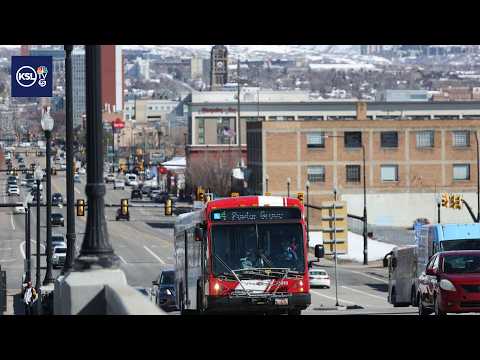
Utah's largest transit agency is waiving all fares for a weekend, just weeks after proposing its first base fare increase in 13 years. The Utah Transit Authority (UTA) announced the fareless period to encourage ridership and gather feedback as it prepares for a 2027 fare and service overhaul.

The promotion is a short-term carrot attached to a longer-term pricing shift. UTA wants to raise the base fare from $2.50 to $3.00 and is opening a public comment period through September 9 to shape the final proposal.

Why it matters

If UTA's proposed fare increase takes effect, riders on the Wasatch Front will pay 20% more per trip, the first base fare jump since 2013.

Questions about this story

Free account needed to ask — your question is kept and asked for you right after sign-up. Answers are public.

No questions yet — be the first to ask.

Key Indicators

$2.50
Current base fare
Has been in effect since 2013.
$3.00
Proposed base fare for 2027
A proposed 20% increase to offset operating and expansion costs.
20%
Proposed fare increase
The gap between the current and proposed base fare.

Voices

Curated perspectives — historical figures and your fellow readers.

Ever wondered what historical figures would say about today's headlines?

Sign up to generate historical perspectives on this story.

People Involved

Organizations Involved

Timeline

August 2026 September 2026

4 events Latest: Today
Tap a bar to jump to that date
  1. UTA drops all fares for a weekend

    Today Promotion

    UTA waives all fares for the weekend as a ridership push and to raise awareness of the upcoming fare proposal.

  2. Public comment period closes

    Deadline

    Comments on proposed fares and service changes must be received by 5 p.m. to be part of the official record.

  3. UTA hosts virtual public meeting on fare changes

    Public Meeting

    A virtual meeting to explain the proposed fares and service changes, including the S-Line Extension and contactless pay.

  4. UTA opens comment period on 2027 fare changes

    Announcement

    UTA proposes a base fare increase from $2.50 to $3.00 and new service on the S-Line Extension, with a comment period ending September 9.

Scenarios

1

UTA approves full base fare increase to $3.00

Likely Resolves by Aug 1, 2027

Discussed by: UTA staff and board reports cited in the August 6 announcement

The board adopts the $3.00 base fare after the public comment period. The increase is framed as modest and necessary to cover operating costs and the S-Line Extension. The fareless weekend is seen as a goodwill gesture that softens the impact.

2

UTA lowers increase to $2.75 after public pushback

Possible Resolves by Aug 1, 2027

Discussed by: Speculation from transit advocates and local press following the comment period

Strong negative feedback during the comment period leads the UTA board to trim the increase to $2.75. The agency points to the comment period as evidence of responsiveness, while still funding the S-Line Extension and tap-to-pay rollout.

3

UTA maintains base fare at $2.50, cuts service elsewhere

Unlikely Resolves by Aug 1, 2027

Discussed by: Transit cost analysts and local budget watchers

The board declines to raise the fare but adjusts the 2027 service plan to stay within budget. The S-Line Extension still opens, but less frequent service or later cancellation of some off-peak routes balances the books. The fareless weekend is positioned as a successful experiment in boosting ridership without fares, though it does not become permanent.

Historical Context

2 moments from history that rhyme with this story — and how they unfolded.

2011-2026

Ticket As Fare program (ongoing since ~2011)

UTA has partnered with venues like Rice-Eccles Stadium and the Ogden Amphitheatre to let event ticket holders ride free on the day of the event. Riders show their printed or electronic ticket as proof of fare.

Then

Event-day ridership spikes, and traffic congestion around venues drops.

Now

The program has become a standard part of UTA's promotional toolkit, showing the agency's willingness to waive fares selectively for civic and event-driven purposes.

Why this matters now

The 2026 fareless weekend is an extension of this selective fare-waiver strategy. It contrasts sharply with the proposed $3.00 base fare, which would mark the first across-the-board increase in over a decade.

August 2022 - present

Salt Lake City School District Transit Pass (2022-2026)

UTA partnered with the school district and the Salt Lake Education Foundation to provide free all-access transit passes to every student, faculty, and staff member in the district—an unprecedented move for the agency.

Then

Student ridership increased, providing a reliable ridership base and fostering early transit habits.

Now

The program demonstrated that removing fare barriers for a specific demographic is politically popular. It set a precedent for fare-free experiments like the 2026 weekend.

Why this matters now

This program shows that UTA has a history of experimenting with fare-free access when a partner covers the cost. The 2026 weekend is a broader, but time-limited, version of that same approach.

Sources

(4)