
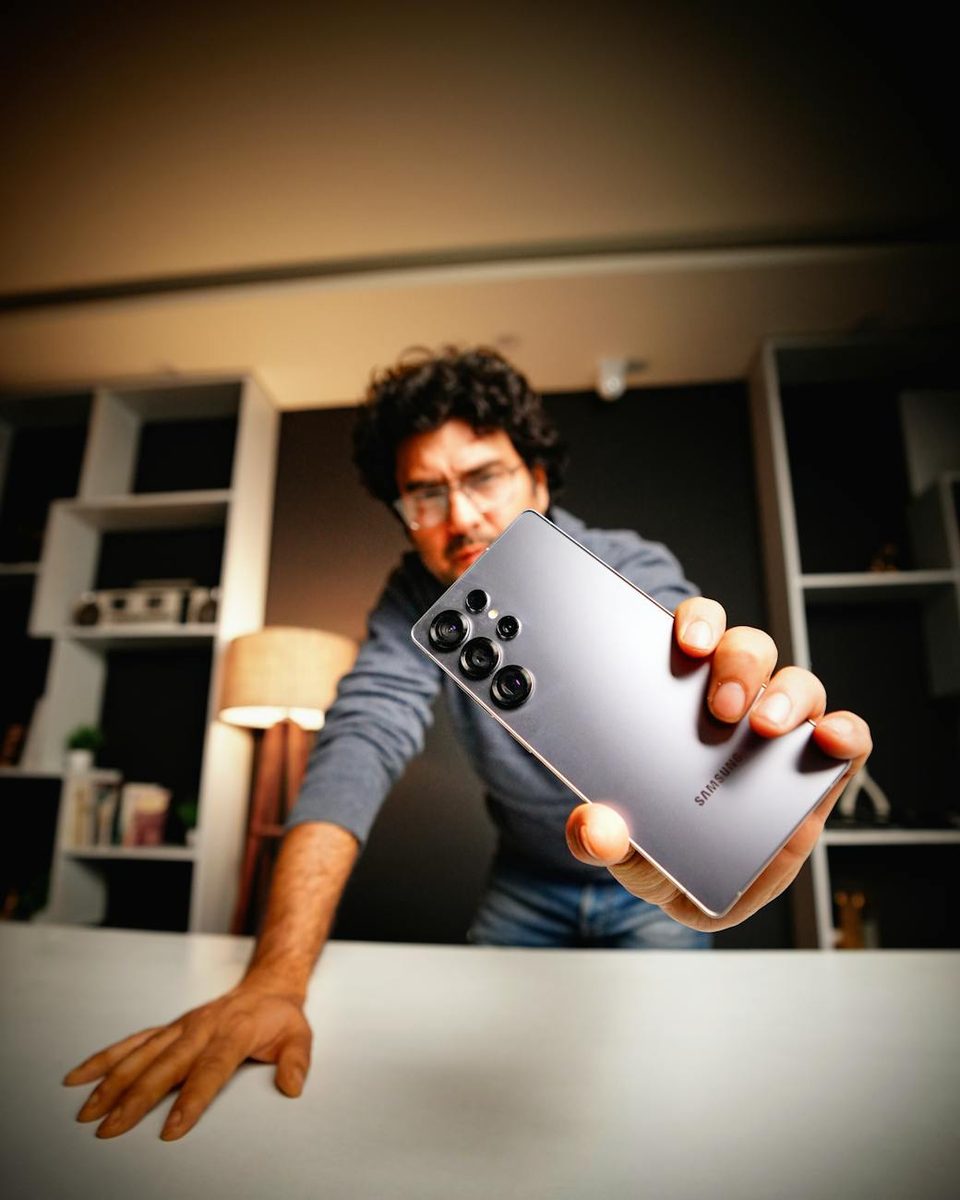
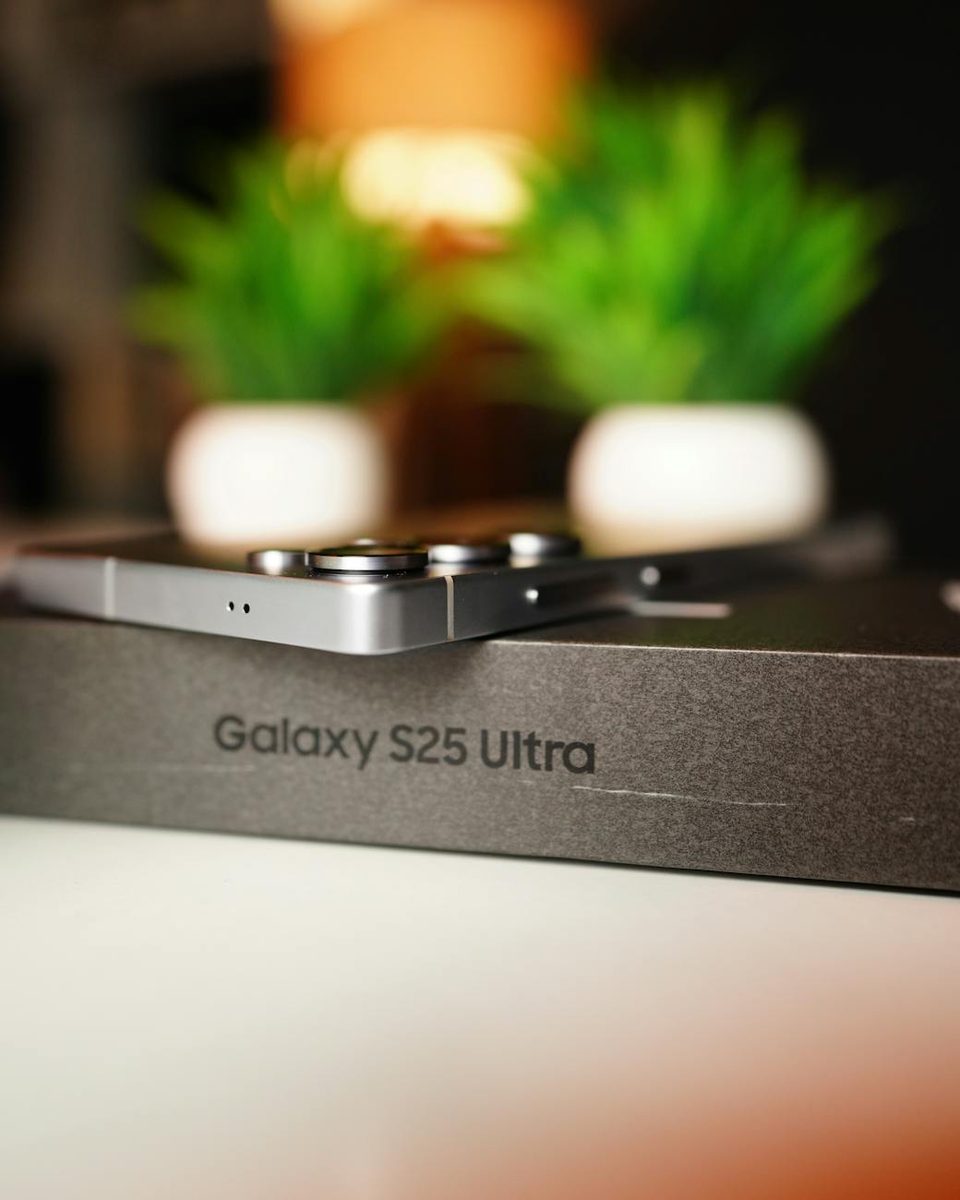
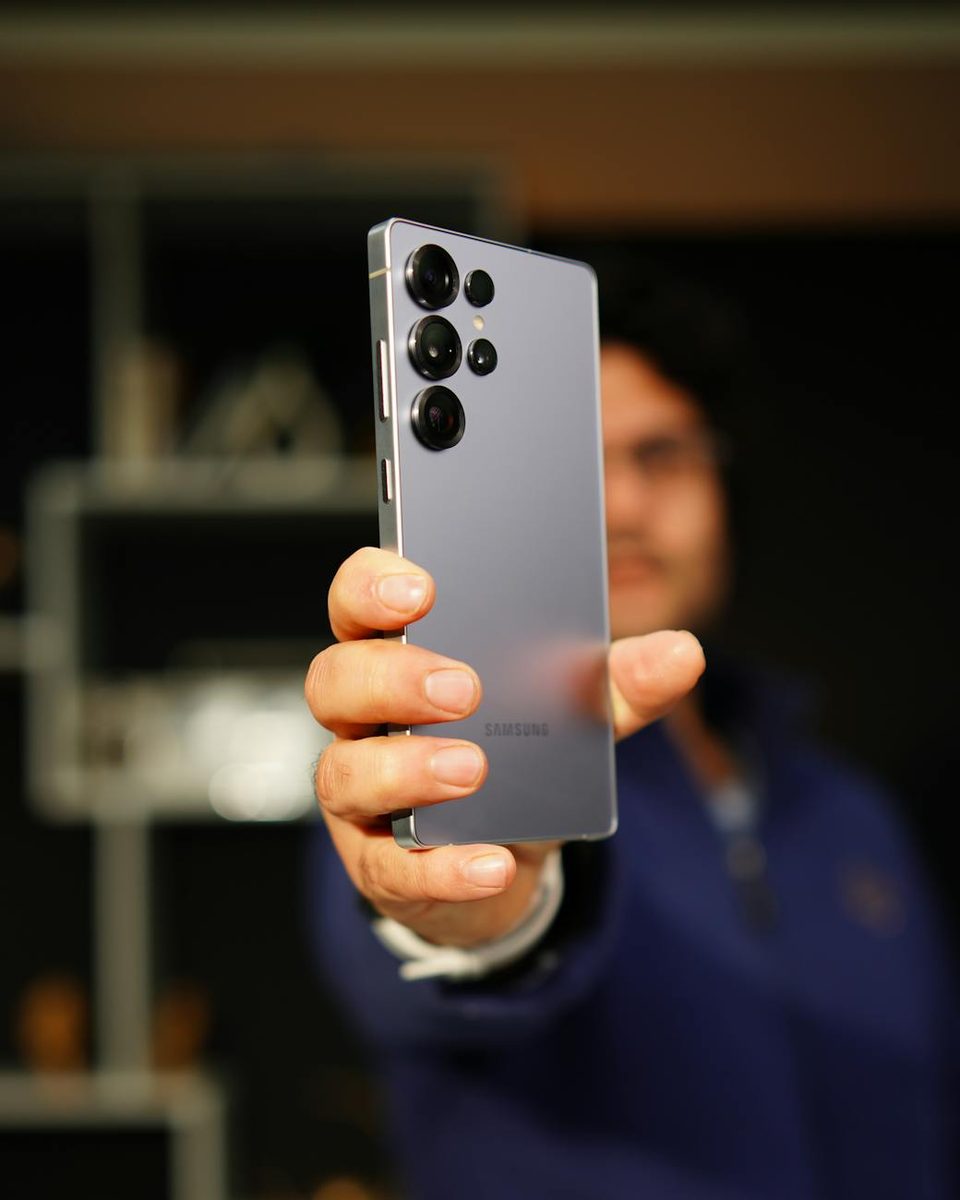

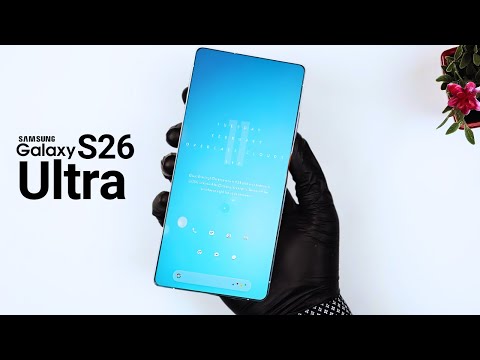
Two years ago, Samsung declared its Galaxy S24 the 'world's first AI phone.' On February 25, the company unveiled the Galaxy S26 series in San Francisco with something more ambitious: three competing AI assistants running simultaneously on a single device, a display that physically blocks shoulder surfers at the pixel level, and a processor capable of 100 trillion operations per second. Samsung is no longer just adding AI features to phones—it is rebuilding the phone around AI as its organizing principle.
The stakes extend well beyond handset sales. Samsung plans to double its AI-enabled device count from 400 million to 800 million by the end of 2026, spanning phones, tablets, wearables, and home appliances. That scale would give Samsung's multi-agent approach—where Bixby, Google's Gemini, and Perplexity each handle different tasks—a distribution advantage that neither Apple nor Google can match across hardware categories. The question is whether consumers will pay flagship prices for AI capabilities that remain difficult to demonstrate in a store.