


Pull to refresh
Logo
San Diego County gains new authority and tax revenue for Tijuana River cleanup

San Diego County gains new authority and tax revenue for Tijuana River cleanup

Built World San Diego, CA local

Supervisors now hold new governance powers and a half-cent sales tax expected to generate $360 million a year.

Overview

Updated 1 hour ago

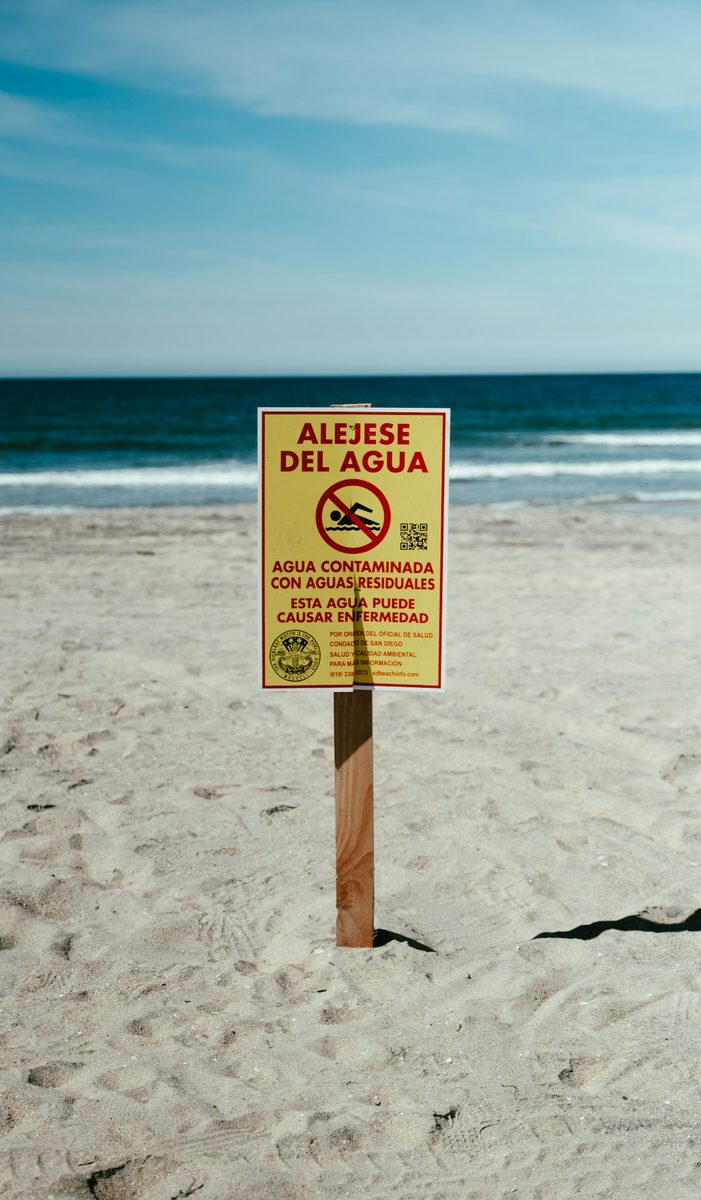
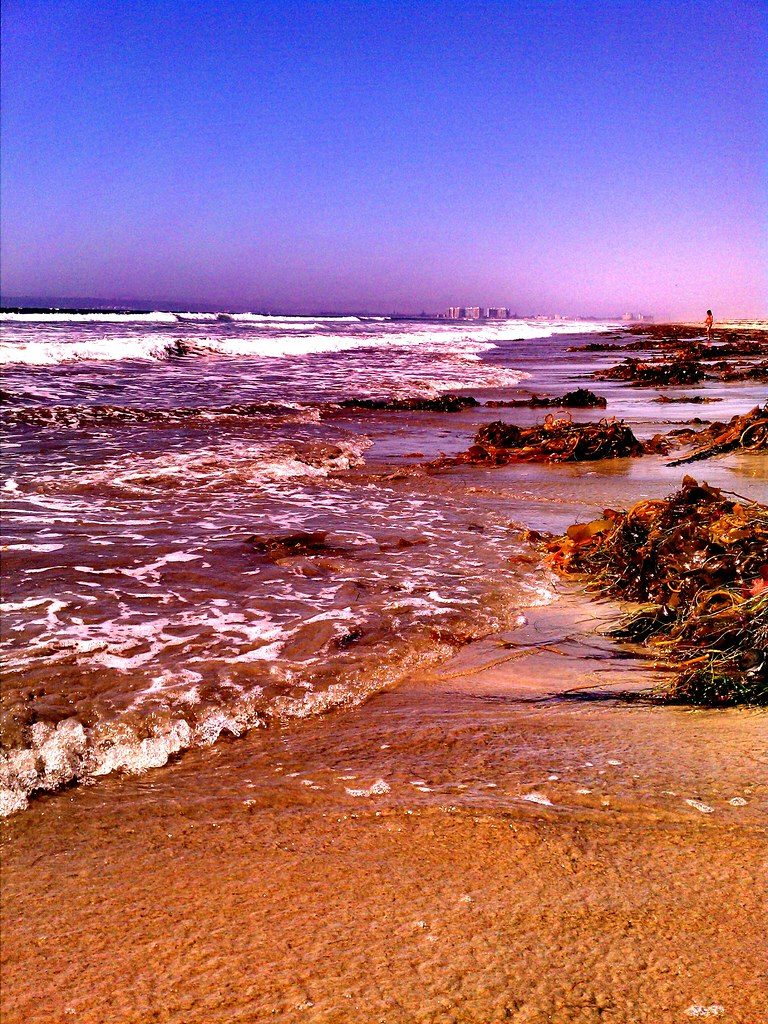
For decades, sewage from Tijuana has flowed into San Diego County, closing beaches and sending hydrogen sulfide into neighborhoods. On Nov. 6, Voice of San Diego reported that county supervisors now have new governance authority and sales tax money to do something about it.

The county has promised a local capture-and-treatment system, but the money is tied to a half-cent sales tax and the engineering is years from completion. The question is whether supervisors can turn new revenue into a working plant before the next sewage spill.

Why it matters

If the new tax revenue and authority work, San Diego County can treat sewage before it reaches beaches and neighborhoods; if not, closures continue.

Last Monday's email for San Diego, CA

Sent Nov 2. It carried:

Get next Monday's: one short email a week. Free. Unsubscribe in one click.

Questions about this story

Free account needed to ask — your question is kept and asked for you right after sign-up. Answers are public.

No questions yet — be the first to ask.

Key Indicators

$360M
Annual sales tax revenue
The half-cent county sales tax is projected to generate this much annually.
$80M
Annual Tijuana River earmark
About this much of the annual tax revenue is earmarked for Tijuana River improvements.
$1B
Potential bond capacity
Annual tax revenue could back $700 million to $1 billion in bonds for treatment facilities.
$1.8M
Design funding
County supervisors approved this amount to design a river capture and treatment system.
$4M
Saturn Boulevard fixes
The board unanimously approved this for immediate fixes at a sewage hot spot on Saturn Boulevard.

Voices

Curated perspectives — historical figures and your fellow readers.

Sign up to generate historical perspectives on this story.

People Involved

Organizations Involved

Timeline

September 2026 November 2026

2 events Latest: Today
  1. County supervisors gain new authority and tax revenue

    Today Election

    Voice of San Diego reports Measure A and a countywide sales tax give supervisors more power and money for Tijuana River cleanup.

  2. Supervisors approve Tijuana River cleanup plan

    Policy

    Board votes 4-1 to spend $1.8 million designing a river capture and treatment system; also approves $4 million for Saturn Boulevard.

Scenarios

1

County builds treatment plant and cuts sewage flow

Likely Resolves by End of 2030

Discussed by: County supervisors and CalMatters reporting

The county uses bond financing backed by the half-cent sales tax to design and build a river capture and treatment system. The first phase would divert polluted river water before it reaches southern San Diego communities.

2

Tax revenue falls short or bond financing stalls

Possible Resolves by End of 2027

Discussed by: Supervisor Joel Anderson and county fiscal analyses

If sales tax revenue underperforms or legal challenges block bond issuance, the county cannot finance the $700 million to $1 billion construction cost. Supervisors would have to scale back or seek federal and state money.

3

Binational deal makes local plant unnecessary

Unlikely Resolves by End of 2028

Discussed by: North American Development Bank and federal officials

Mexico and U.S. agencies complete wastewater upgrades that capture most river flows, reducing pressure for a county-owned plant. The county redirects tax money to smaller fixes.

Historical Context

2 moments from history that rhyme with this story — and how they unfolded.

1960s-present

Tijuana River sewage crisis (1960s-present)

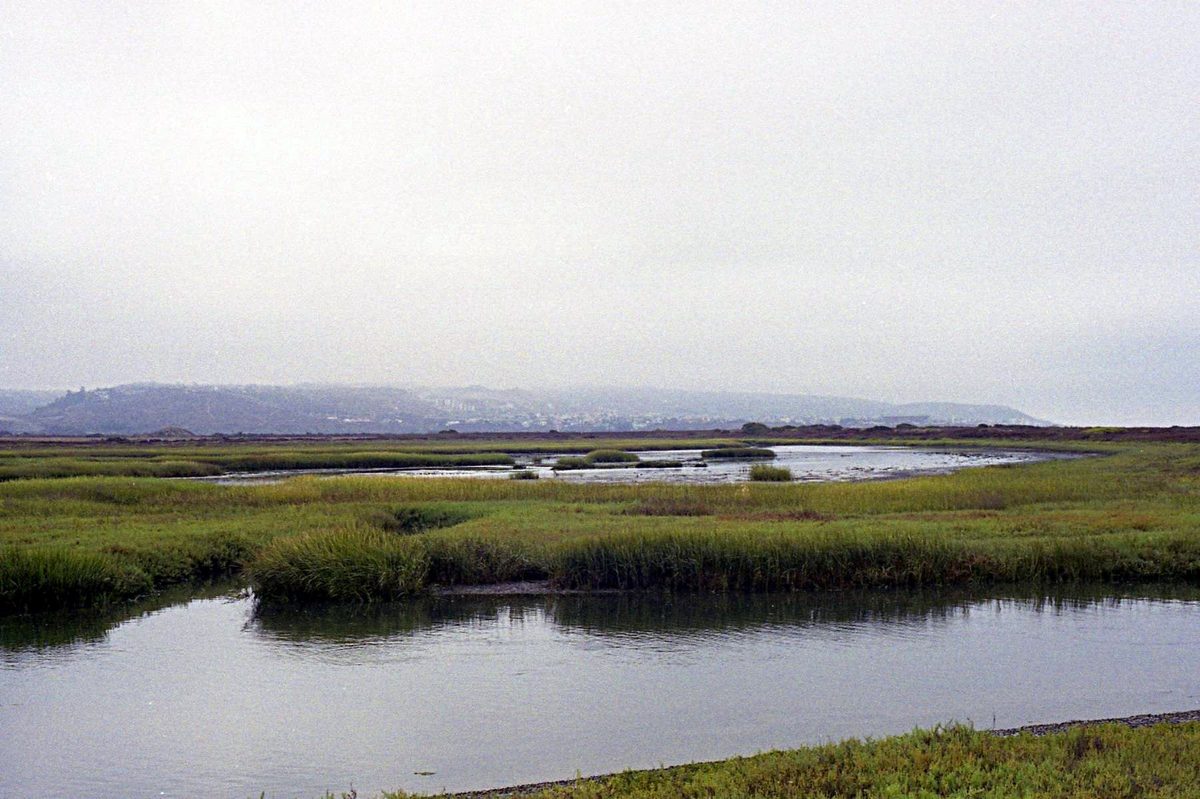
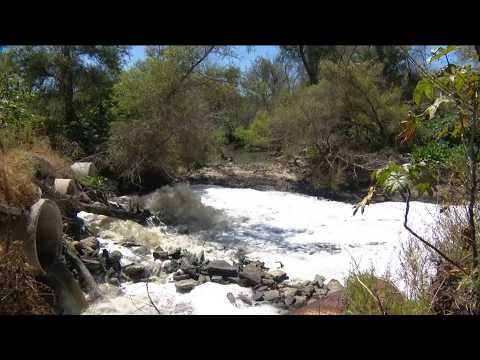
Raw sewage, industrial chemicals and pesticides have flowed north across the border for decades. Treatment plants on both sides filter some waste, but failures have released hundreds of millions of gallons of untreated sewage into the river.

Then

Beach closures became routine in Imperial Beach and Coronado; hydrogen sulfide levels near Saturn Boulevard reached 4,500 parts per billion.

Now

The federal government has dedicated about $650 million to repairs, and Mexico has invested $145 million over three years, but pollution still bypasses plants.

Why this matters now

The county's new plan is an attempt to capture river water on the U.S. side rather than rely on plants in Mexico or federal fixes.

2010s-2020s

Federal wastewater plant upgrades (2010s-2020s)

Wastewater treatment plants in the U.S. and Mexico failed over the last decade, releasing hundreds of millions of gallons of raw sewage. Recent upgrades helped reduce pollution, and the federal government dedicated about $650 million to repairs.

Then

Pollution decreased but some flows still bypass plants.

Now

The upgrades did not capture all river water, leaving the case for a new diversion system.

Why this matters now

The county plan targets the remaining untreated river flows that existing plants do not capture.

Sources

(4)